

Best Baggy Pants for Indian Monsoon: The 2026 Wet Season Guide
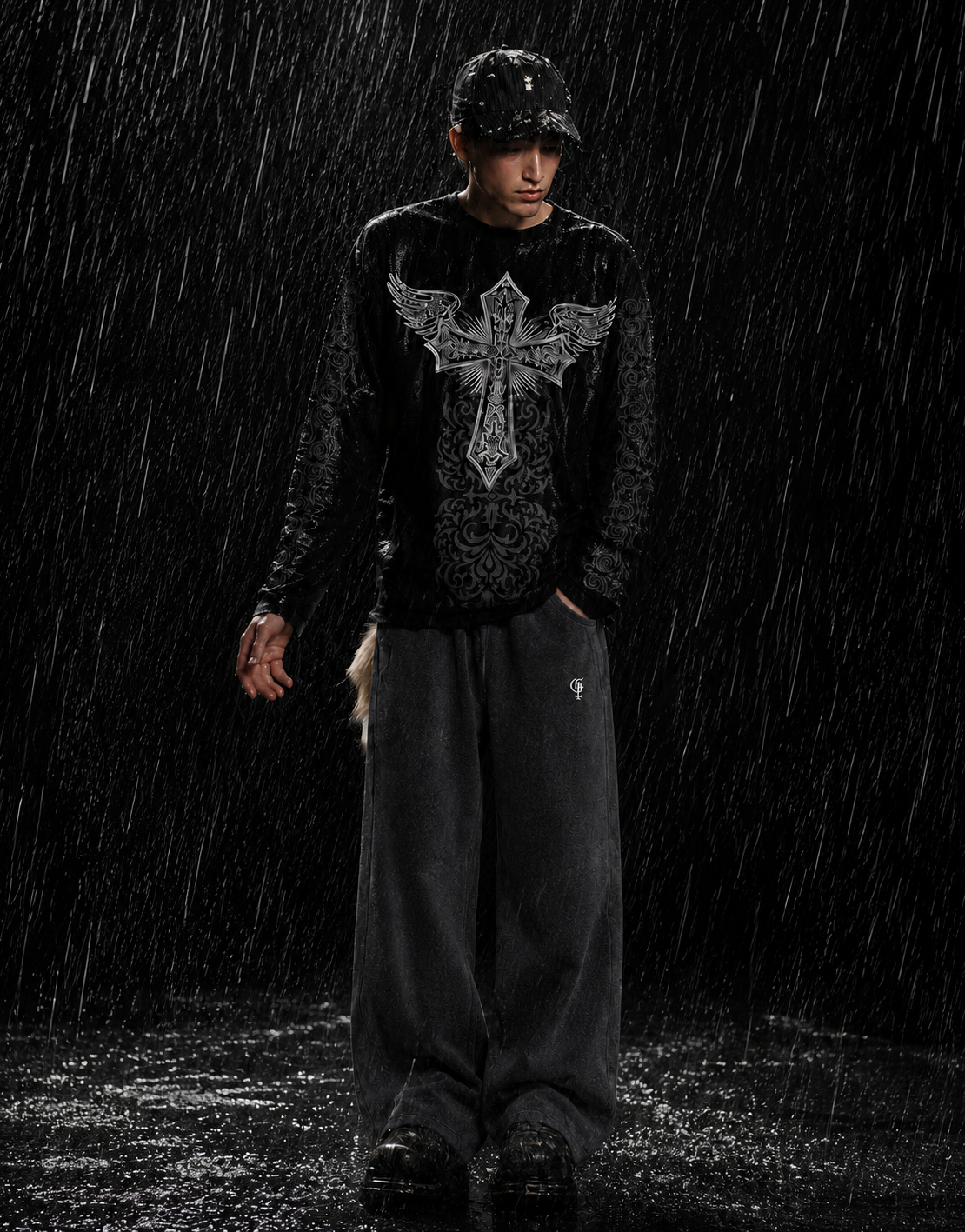
The best baggy pants for Indian monsoon prioritises three things: fast-drying fabric (ripstop, technical cotton blends, lightweight twill under 240 GSM), darker colours that hide water marks and mud splash, and tapered or drawstring ankles that don't drag through puddles. Skip raw denim and heavy cotton until October, they take days to dry and develop mildew in humid storage.
Indian monsoon is the season that breaks most streetwear wardrobes. Raw denim takes three days to dry. Heavy 300 GSM cotton baggy pants stay damp through humid weeks. White and light-coloured fits collect mud splash within the first 100 meters of walking outside. Most buyers respond by abandoning baggy pants from June through September and reverting to track pants, losing the silhouette they spent months building.
The fix is not abandoning baggy pants for four months. It's switching to monsoon-specific baggy fabrics and colours that survive and even thrive in wet conditions. This guide breaks down which baggy pants actually work between June and September in Indian cities.
The Three Things Monsoon Destroys Most Often
1. Raw Denim Baggy Pants
Raw denim is the worst fabric for Indian monsoon. The heavyweight construction holds moisture for 48–72 hours of drying time, develops mildew patches in humid cupboards, and water-stains permanently if dried in indirect sunlight. Save raw denim baggy fits for October through March. Through monsoon, switch to washed denim (lighter, dries faster) or skip denim entirely.
2. Heavy GSM Cotton Twill (280+ GSM)
The same heavyweight cotton that performs beautifully in winter becomes a liability in monsoon. 280+ GSM cotton absorbs water aggressively, takes 24+ hours to air-dry in Mumbai humidity, and develops a damp smell if stored before fully drying. Move to 200–240 GSM cotton baggy pants for monsoon months.
3. Light Colours (Cream, White, Light Blue)
Mud splash is unavoidable during Indian monsoon. Light-coloured baggy pants collect spray from passing vehicles, footprints, and wet ground within hours of outdoor wear. Dark colours (black, charcoal, deep olive, navy) hide both mud and water marks. They're also the only colours that air-dry without visible water stains in shaded conditions.
The 4 Best Baggy Pants Fabrics for Indian Monsoon
1. Ripstop Cotton
Ripstop is reinforced-weave fabric with a grid pattern of stronger threads. Originally military-uniform fabric, now standard for technical streetwear and cargo variants. Ripstop dries in 4–6 hours even in humid conditions, resists tearing if it catches on something wet, and handles mud splash better than smooth-weave cotton.
Best for: outdoor wear, commuting through wet streets, festival wear in monsoon months
2. Technical Cotton Blends (Cotton-Polyester 80/20 or 70/30)
Pure cotton handles humidity poorly. Cotton-polyester blends in 80/20 or 70/30 ratios dry significantly faster while maintaining most of cotton's hand-feel. The synthetic content wicks moisture, the cotton content keeps the fabric breathable. Best balance of comfort and quick-drying for daily monsoon wear.
Best for: everyday wear, office commute, casual outings in monsoon
3. Lightweight Cotton Twill (200–240 GSM)
Standard cotton twill at lighter weights (200–240 GSM rather than 280+ GSM) dries in 12–16 hours instead of 24+, breathes better in humid conditions, and still holds the baggy silhouette structure. GENRAGE produces baggy pants at 240 GSM cotton twill specifically because the weight balances structure with monsoon-friendly drying time.
Best for: balanced everyday wear, evening outings, year-round versatility
4. Brushed Fleece-Lined Lightweight Cotton
Surprisingly, some lightweight cotton baggy pants with brushed fleece interior work well in air-conditioned indoor monsoon conditions (offices, malls, restaurants). The fleece interior wicks moisture from the body inward, drying faster than non-lined cotton. The lightweight outer cotton dries quickly in outdoor humidity. Best for buyers commuting between heavy AC indoors and humid outdoors.
Best for: office wear, urban commute, AC-heavy indoor environments
Colour Strategy for Monsoon Baggy Pants
• Black: the universal monsoon colour. Hides mud, water marks, and stains. Pairs with everything.
• Charcoal grey: works as well as black with slightly more visual texture.
• Deep olive: earthy, hides mud well, works for outdoor monsoon outfits.
• Navy: dark enough to hide stains, photographs well in low light.
• Avoid until October: cream, white, light blue, light grey, sand, beige — all collect mud and water visibly.
Monsoon Outfit Formulas Using Baggy Pants
The Commute Look
Black ripstop cotton baggy pants + dark t-shirt + ankle boots + crossbody bag (water-resistant). Works for office, college, daily commute. Pants dry overnight even after getting caught in rain.
The Evening Out Look
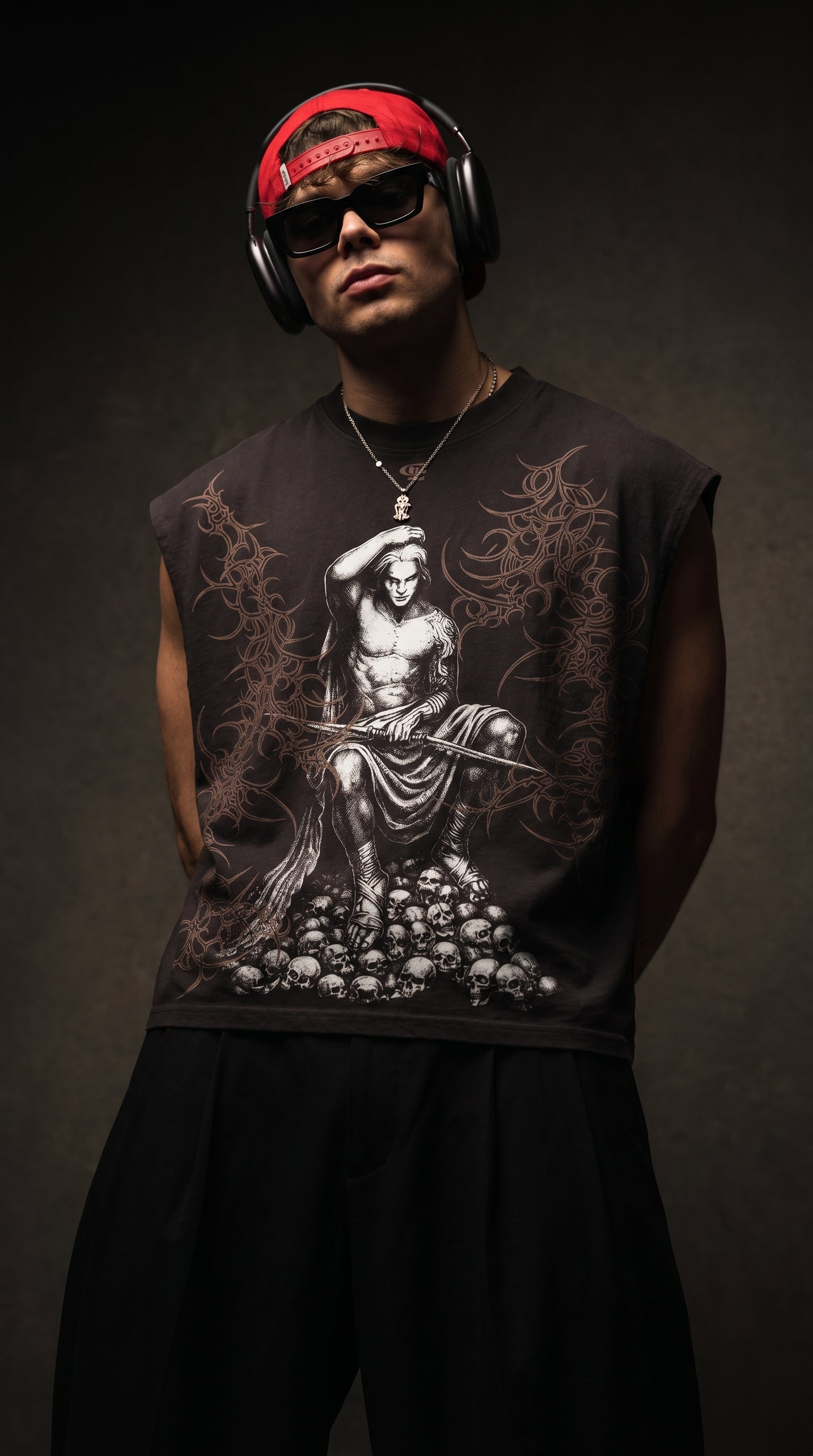
Charcoal cotton-blend baggy pants + black sleeveless tee + open printed shirt as a layer + chunky sneakers (avoid white). The shirt comes off if the venue is crowded.
The Outdoor Festival Look (Monsoon Festivals)
Deep olive ripstop baggy pants + cream sleeveless tee + boots + crossbody bag. The pants handle mud, the vest handles humidity, the boots handle puddles. Built for outdoor music events that run through the wet season.
The Weekend Casual Look
Navy lightweight cotton baggy pants + dark graphic tee + canvas sneakers (skate shoes dry faster than chunky ones) + cap. Easy weekend look that survives unexpected rain.
How to Style Around Monsoon Limitations
• Footwear matters more than usual: boots, water-resistant sneakers, or sandals depending on context. Avoid white chunky sneakers (collect mud) and leather loafers (water-damage).
• Pair with darker tops: matching the pant tone darker keeps the whole outfit monsoon-resilient.
• Carry a small towel: for quick blot-dry of pants if you get caught in heavy rain mid-day.
• Pre-fold cuffs: if expecting to walk through puddles, pre-fold pant cuffs 1-2 inches to keep the bottom hem clear of immediate splash.
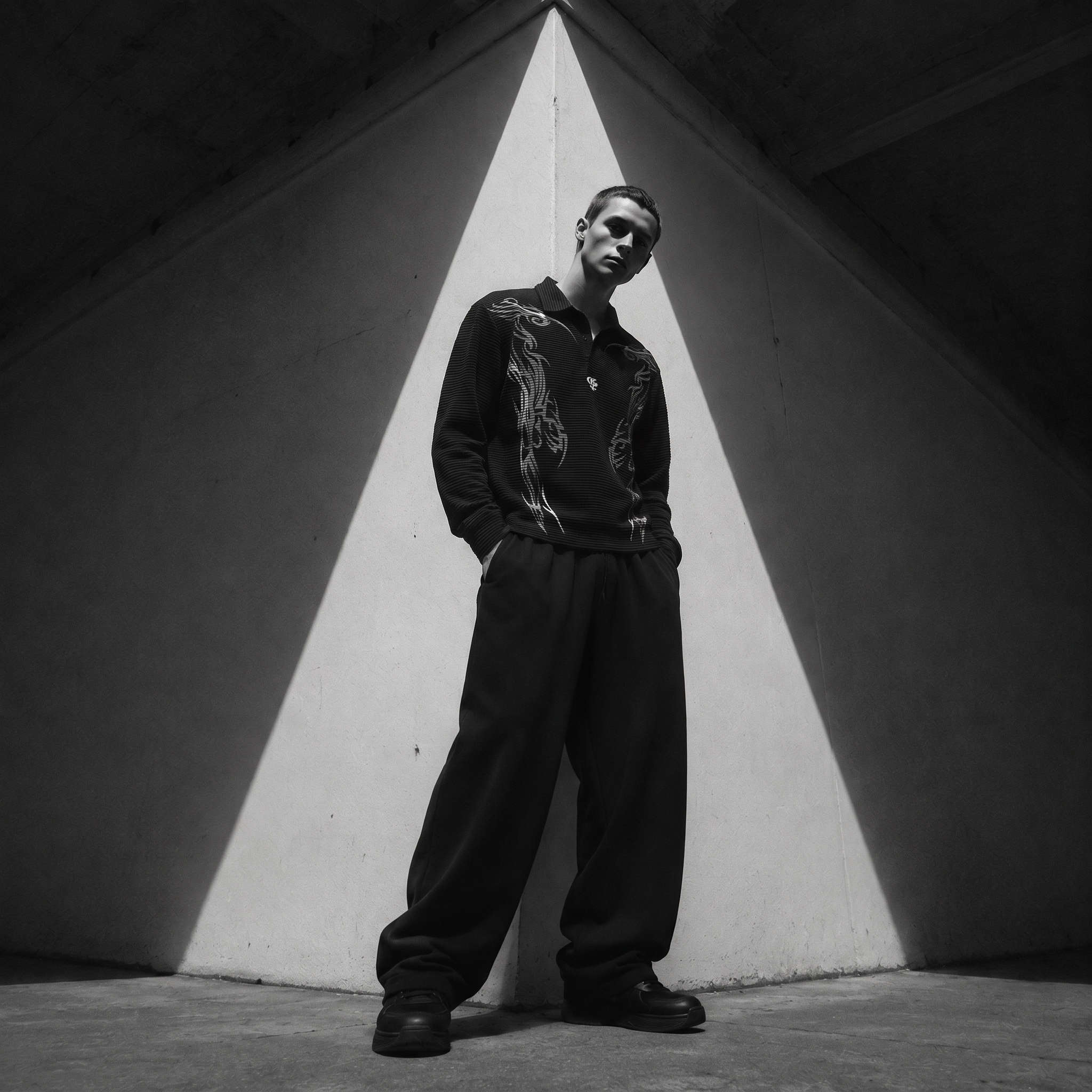
• Drawstring ankles win: parachute-style baggy pants with drawstring or elastic ankles stay clear of standing water better than open-hem fits.
Care Protocol for Monsoon-Worn Baggy Pants
• Wash same-day if pants got soaked, sitting wet for 12+ hours develops mildew and permanent smell
• Use slightly warmer water than usual (25–30°C) to fully release accumulated moisture and bacteria
• Add white vinegar (½ cup) to the rinse cycle if pants have developed any mildew smell kills bacteria without bleaching fabric
• Hang to dry in well-ventilated covered space, direct outdoor drying during monsoon often makes pants wetter from humidity than they were before
• Indoor fan drying is faster than open-air drying during peak monsoon weeks
• Never store damp pants, even slightly damp cotton develops mildew in 48 hours during peak humidity
Why GENRAGE Baggy Pants Work in Indian Monsoon
GENRAGE baggy pants are manufactured at 240 GSM cotton with bio-washed finishing, the weight that survives Indian monsoon without crossing into heavy-cotton drying delays. The dark-dominant colour palette (black, charcoal, deep olive) handles mud and water marks. Elastic and drawstring waists adjust comfortably across the season as humidity affects fit slightly. The construction holds shape through repeated monsoon wash cycles where lighter-quality baggy pants stretch out within one wet season.
Frequently Asked Questions
Can I wear baggy pants in Indian monsoon?
Yes, with the right fabric and colour choices. Avoid raw denim and heavy 280+ GSM cotton during peak monsoon (June–September). Switch to ripstop cotton, cotton-polyester blends, or lightweight 200–240 GSM cotton twill in dark colours. These dry faster, hide mud splash, and don't develop mildew in humid storage.
What's the best fabric for baggy pants in Mumbai monsoon?
Ripstop cotton or cotton-polyester blends (80/20 or 70/30 cotton-poly). Both dry in 4–6 hours versus 24+ hours for heavy cotton or denim. Mumbai's humidity makes drying time the critical factor, fabrics that dry slowly develop mildew smell within 48 hours of wear.
Should I switch to track pants during monsoon?
Not necessary. The right monsoon-appropriate baggy pants- ripstop, lightweight cotton twill, or cotton-poly blends, handle monsoon conditions as well as track pants while maintaining the streetwear silhouette. Track pants are an option, but they're not the only option.
How do I prevent baggy pants from getting muddy during monsoon?
Choose dark colours (black, charcoal, deep olive, navy) that hide mud splash. Pre-fold cuffs 1-2 inches when walking through wet streets. Wear with boots or water-resistant footwear to reduce splash height. Carry a small towel for quick blot-dry mid-day if necessary.
Can I wear black baggy pants in heavy rain?
Black is the best baggy pants colour for heavy rain conditions. It hides water marks, mud splash, and stains better than any other colour. The only consideration is that black absorbs heat, pair with lighter-coloured tops to balance temperature during humid rain conditions.
How quickly should monsoon-wet baggy pants dry?
Ripstop cotton: 4–6 hours. Cotton-poly blends: 6–10 hours. Lightweight cotton twill (240 GSM): 12–16 hours. Heavy cotton twill (280+ GSM): 24+ hours. Raw denim: 48–72 hours. If drying time exceeds 24 hours, the fabric is too heavy for monsoon switch to a lighter alternative.
Dark colours. Fast-dry fabric. Drawstring ankles. Monsoon-proof baggy.
,%20darker%20colours%20that%20hide%20water%20marks%20and%20mu...)
Leave a comment
This site is protected by hCaptcha and the hCaptcha Privacy Policy and Terms of Service apply.