

Oversized T-Shirt vs Regular T-Shirt: Which Is Right For You?
The Great Debate: Oversized vs Regular Fit
For the first time in fashion history, oversized clothing has become the dominant silhouette.
For decades, fitted clothing was the standard. If you bought a t-shirt, it hugged your body. The assumption was that "fitted" equals "flattering" and "loose" equals "sloppy."
That's no longer true.
In 2024-2026, oversized has become the intentional choice. And fitted has become a deliberate styling decision, not the default.
But this shift confuses people. Should you wear oversized or regular? Are they equally valid? Is one objectively better?
The answer: they're different tools. Understanding when to use each is the real skill.
The Visual Difference: Understanding Silhouettes
Regular Fit (Fitted Silhouette)
A regular-fit t-shirt follows your body contours:
-
Shoulder seams align with natural shoulders
-
Chest follows chest width (maybe 2-3cm extra for comfort)
-
Sides taper slightly toward waist
-
Sleeves fit snugly around biceps
-
Hem hits at hip level or just above
Visual effect: Defines body shape. Emphasizes physicality. Shows proportions clearly.
Oversized Fit (Boxy Silhouette)
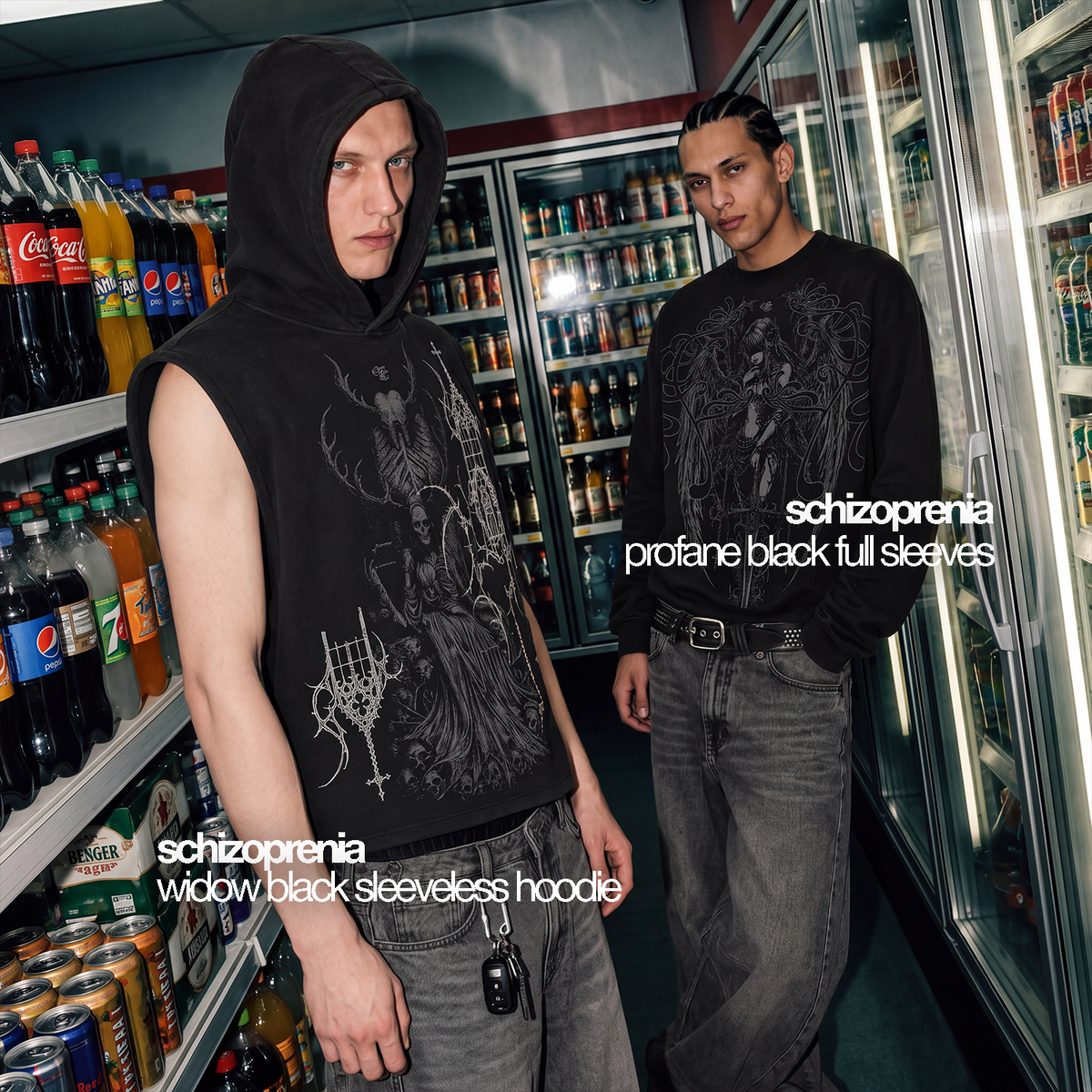
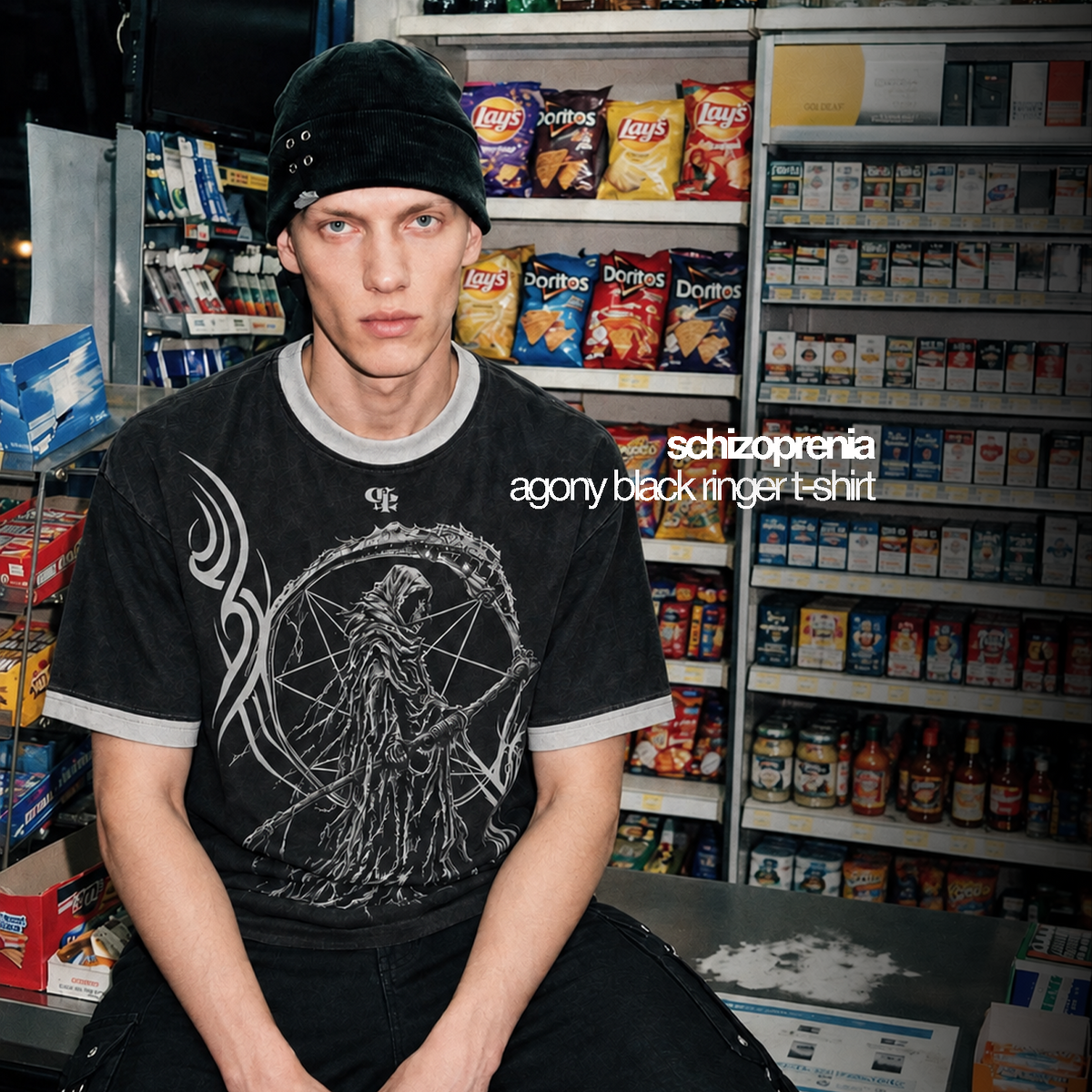
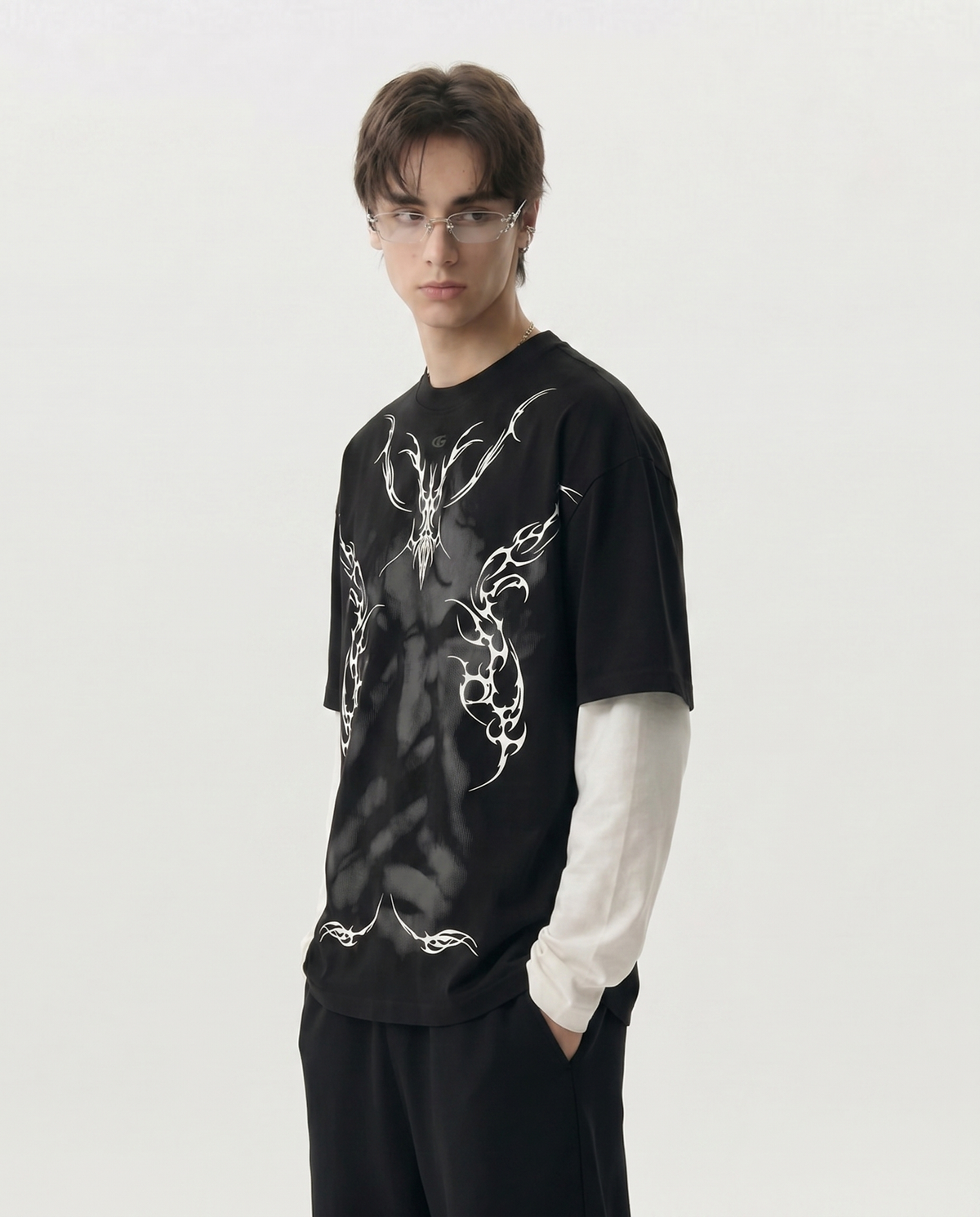
An oversized t-shirt creates space around your body:
-
Shoulder seams drop 2-4 inches below natural shoulders
-
Chest is 6-10cm wider than your actual chest
-
Sides are straight, no tapering
-
Sleeves are loose through biceps
-
Hem hits at hip level (because longer length isn't necessary—boxy torso hits hip naturally)
Visual effect: Creates visual width. Hides body definition. Emphasizes silhouette over physicality. Looks intentional and styled.
The Psychology: What Clothes Communicate
This is crucial: your choice of oversized vs regular communicates subtext about who you are.
Regular Fit Communicates
-
Precision and attention to fit
-
Comfort with body definition
-
Traditional/classic aesthetic
-
Professional presentation
-
Intentional tailoring
-
Confidence in physique
In professional contexts (business meetings, formal events, office environments), regular fit is still dominant because it signals precision and polish.
Oversized Communicates
-
Comfort and confidence
-
Casual intentionality
-
Awareness of current trends
-
Community belonging (streetwear/Gen-Z culture)
-
Focus on style over body
-
Relaxed professionalism
Oversized has become the "Gen-Z default" because it signals belonging to a specific cultural movement. Wearing oversized is saying: "I'm aware of current style and I'm choosing comfort over body-centric fashion."
Comfort Comparison: The Science
Regular Fit Comfort
Fitted garments restrict movement through the torso, shoulders, and arms. This creates:
-
Precise body mapping (you know exactly where the garment is)
-
Higher heat retention (fabric stays close to skin)
-
More restricted arm movement
-
Limited layering capability
-
Psychological feeling of "held" (can feel secure or restrictive)
Comfort rating: Moderate. Most people find fitted tees acceptable for a few hours, uncomfortable for all-day wear.
Oversized Fit Comfort
Loose garments allow unrestricted movement. This creates:
-
Maximum arm mobility (shoulders and upper arms completely free)
-
Better heat dissipation (loose fabric allows air circulation)
-
Easy layering (room for multiple layers underneath)
-
Zero restriction (you almost forget you're wearing it)
-
Psychological feeling of "freedom"
Comfort rating: High. Most people can wear oversized tees all day without any discomfort. Some find the loose fit uncomfortable psychologically (prefer to feel "held").
Winner: Oversized for all-day comfort. Regular for body-aware comfort.
Style Versatility: What You Can Actually Wear
Regular Fit: Where It Works
Regular fit is the ideal choice for:
-
Formal/smart casual events (business dinners, date nights)
-
Athletic contexts (gym, sports, activities requiring tight fit)
-
Precision layering (under fitted jackets, button-ups)
-
Body-showcasing outfits (emphasizes fitness/physique)
-
Photography (shows clear silhouette)
-
Professional contexts (office, meetings, presentations)
Regular fit struggles with:
-
Casual streetwear (looks "trying too hard")
-
Oversized layering (doesn't work under oversized jackets/hoodies)
-
All-day comfort (restrictive for 8+ hours)
-
Multiple body types (only works if body is conventionally proportioned)
Oversized Fit: Where It Works
Oversized fit is the ideal choice for:
-
Casual streetwear (default choice)
-
Everyday wear (ultimate comfort)
-
Layering foundation (works under anything)
-
Multiple body types (works on skinny, athletic, and heavier builds)
-
Quick styling (throw on and looks intentional)
-
Social media content (photographs well, reads as stylish)
Oversized fit struggles with:
-
Formal events (reads as too casual)
-
Body-conscious styling (hides rather than shows)
-
Athletic performance (loose fit isn't ideal for movement-heavy activities)
-
Professional contexts (too casual for some workplaces)
Winner: Oversized for lifestyle versatility. Regular for specific contexts.
The Durability Difference
How Garments Age
This is important: as garments wear, their fit changes.
Regular Fit Over Time:
-
Elastic fibers stretch in high-stress areas (shoulders, armpits)
-
Garment becomes looser over time
-
After 6-12 months of regular wear, it starts looking oversized (accidentally)
-
This looks sloppy, not intentional
Oversized Fit Over Time:
-
Garment starts loose and mostly stays loose
-
Heavy wear rounds the shoulders (shoulder seams relax)
-
Hem might shrink 1-2cm with washing
-
Overall silhouette remains intentional
-
After 12-18 months, it looks well-loved, not sloppy
Wearing a regular t-shirt for 12 months gradually transforms it from fitted to oversized. This transformation looks accidental.
Wearing an oversized t-shirt for 12 months keeps it mostly oversized. This looks intentional.
Winner: Oversized ages better and maintains intentionality longer.
The Clothing Mathematics: Outfit Building
How many outfits can you build with each style?
Regular Fit Wardrobe Building
To build a complete regular-fit wardrobe, you need:
-
Regular-fit tees (5-7 pieces)
-
Regular-fit pants (3-5 pieces)
-
Regular-fit jackets
-
Regular-fit layering pieces
Each piece is specific to regular fit. Oversized jackets don't layer over regular tees. Oversized pants don't balance regular tops.
Estimated outfits: 15-25 combinations
Oversized Fit Wardrobe Building
To build a complete oversized wardrobe, you need:
-
Oversized tees (5-7 pieces)
-
Oversized pants, baggy pants, regular pants, or fitted pants (mix allowed)
-
Oversized jackets or regular jackets (both work)
-
Oversized or regular layering
Oversized is flexible. Oversized tops work over fitted bottoms (creates proportion balance). Regular bottoms work under oversized tops (creates contrast).
Estimated outfits: 30-50 combinations (more flexible)
Winner: Oversized for outfit versatility. You can mix oversized and fitted within the same outfit. Regular requires consistency.
Body Type Considerations
Oversized on Different Bodies
Skinny/Athletic Build:
Oversized creates visual width. Makes you appear broader and more substantial. Excellent match.
Average Build:
Oversized is comfortable and flattering. Creates balanced silhouette. Ideal match.
Heavier Build:
Oversized creates intentional silhouette without body-hugging fit. Looks fashionable, not sloppy. Excellent match.
Tall Build (6'2"+):
Oversized t-shirts might be too short (length is standard across sizes). Regular fit might work better (proportions scale). Requires tall-specific sizing.
Regular Fit on Different Bodies
Skinny/Athletic Build:
Regular fit shows lack of mass. Can look underfed or overly lean. Requires gym physique to look intentional.
Average Build:
Regular fit is average. Neither flatters nor detracts. Works fine.
Heavier Build:
Regular fit emphasizes body contours. Can look unflattering if body is carrying weight. Requires intentional styling.
Tall Build (6'2"+):
Regular fit often too short (sleeves, torso). Requires tall-specific sizing.
Winner: Oversized works for all body types universally. Regular fit requires specific body types or physique.
The Social Media Factor
How do oversized vs regular perform on Instagram, TikTok, Reels?
On Instagram (Feed)
Oversized photographs better. Clear silhouette. Visual depth. Oversized tees get 15-25% more engagement in outfit posts.
Regular fit photographs as average. Less visual distinction.
On TikTok (Short Form)
Oversized has higher recognition. The distinctive silhouette stands out in 15-second clips.
Regular fit blends into background.
On Reels (Styling Videos)
Oversized movement is more interesting. Loose fabric creates visual interest when walking/moving.
Regular fit is static—the body shape shows but fabric doesn't move as distinctly.
Winner: Oversized for social media performance.
Cost Analysis: Which Is Better Value?
Regular Fit Wardrobe Cost
Need specific pieces for each context. Higher total wardrobe cost because specialization requires more pieces.
-
7 regular-fit tees: ₹500-1,000 each = ₹3,500-7,000
-
4 pairs pants: ₹1,500-3,000 each = ₹6,000-12,000
-
Jackets: ₹3,000-8,000 each
-
Total 12-month wardrobe: ₹15,000-30,000+
-
Cost per outfit: ₹1,000-2,000
Oversized Fit Wardrobe Cost
More flexible pieces. Lower total wardrobe cost because versatility means fewer pieces needed.
-
6 oversized tees: ₹800-1,200 each = ₹4,800-7,200
-
3 pairs pants (mix of oversized, baggy, regular): ₹1,500-3,000 each = ₹4,500-9,000
-
1-2 jackets (works with oversized): ₹2,000-5,000
-
Total 12-month wardrobe: ₹12,000-22,000
-
Cost per outfit: ₹400-800
Winner: Oversized for cost efficiency. More outfit combinations per dollar spent.
Common Mistakes When Choosing
Mistake 1: Wearing Oversized Everywhere
Oversized works for casual contexts but not formal events. Wearing oversized to a business meeting or date night reads as "didn't dress up for this occasion."
Fix: Keep 1-2 regular-fit pieces for formal contexts.
Mistake 2: Wearing Regular When You Want Casual
Regular fit works but doesn't read as intentional in casual contexts. People wearing regular tees look like they're defaulting to basics, not making style choices.
Fix: If going for casual style, choose oversized for visual intentionality.
Mistake 3: Mixing Proportions Wrongly
Oversized top + oversized bottom = looks sloppy (no proportion variation).
Regular top + regular bottom = looks fitted but boring.
Oversized top + fitted bottom = perfect balance (variation in proportions).
Fitted top + oversized bottom = unbalanced (too much loose bottom weight).
Fix: Understand proportion balance when mixing.
FAQ: Oversized vs Regular
Q: Should I throw away all my regular-fit tees?
A: No. Keep 1-2 regular-fit tees for formal contexts. But for casual wear, oversized is better.
Q: Can I wear oversized to work?
A: Depends on workplace culture. Tech/creative: yes. Finance/corporate: no. Check your office context.
Q: Does oversized make me look bigger?
A: No. Oversized creates visual width but not bulk. It makes you look broader, not larger. Regular fit shows actual body shape.
Q: Which is better for the gym?
A: Regular fit if you're training hard (you want mobility precision). Oversized if you're doing casual workouts (comfort matters more).
Q: Can oversized be formal?
A: Not in traditional settings. Oversized is inherently casual. For formal events, stick to regular or tailored fit.
Q: Does everyone look good in oversized?
A: Yes. Oversized works universally because it emphasizes silhouette over body shape. Everyone can wear oversized intentionally.
Q: Is oversized a trend that will end?
A: Possibly, but not soon. Oversized has been dominant since 2022 and shows no signs of stopping. It's become the new default silhouette.
The Real Answer
Oversized and regular are both valid—for different contexts.
Choose Oversized If:
-
You want everyday comfort
-
You want to look intentionally styled
-
You want to belong to current Gen-Z aesthetic
-
You want outfit versatility
-
You don't go to formal events regularly
Choose Regular Fit If:
-
You have formal work/events frequently
-
You want to emphasize body fitness
-
You prefer classic styling
-
You value precision in fit
-
You're not interested in trend-following
Most people benefit from a split wardrobe: 70% oversized for daily wear, 30% regular fit for formal contexts.
This balances comfort, style, versatility, and appropriateness.
Recommended Resources
Learn how to size oversized correctly: How to Find Your Size in Oversized Clothing
Explore oversized styling combinations: Oversized vs Regular Styling Guide
Shop quality oversized tees: Oversized Essentials
Ready to make the switch? Oversized offers superior comfort, versatility, and style for modern wear. Start with one quality oversized tee. You'll understand why it's become the default.

Leave a comment
This site is protected by hCaptcha and the hCaptcha Privacy Policy and Terms of Service apply.