

Streetwear vs. Fast Fashion: Why Homegrown Brands Matter in 2026
Let's start with what everyone already knows but refuses to fully acknowledge: fast fashion is killing fashion.
It's killing craftsmanship. It's killing sustainability. It's killing creativity. And most importantly, it's killing culture.
For the past 15 years, fast-fashion brands normalized disposable clothing. Wear it once, throw it away. Follow trends obsessively. Own 300 pieces, wear 30. It's a system designed to extract value and create waste.
Streetwear was supposed to be different. It was supposed to be the antidote to fast fashion.
But here's what happened: some streetwear brands got absorbed into the fast-fashion machine. Limited drops became artificial scarcity. Hype replaced authenticity. Disposability crept in.
Real streetwear, authentic, homegrown, community-first streetwear, is the actual rebellion. And in 2026, it's the only move that matters.
The Fast Fashion Crisis (It's Real)
The Problem #1: Disposability
Fast fashion brands churn out 52+ "seasons" per year. That's a new collection every week.
The expectation: you buy constantly, wear briefly, discard.
The result: 92 million tons of textile waste annually, globally. Most of it from fast fashion.
That's not fashion. That's garbage with a logo.
The Problem #2: Zero Craftsmanship
When a brand produces 10 million units per season, craftsmanship becomes impossible. Quality is the enemy of speed.
Seams fail. Fabric pills. Colors fade. By design.
You're buying planned obsolescence with a price tag.
The Problem #3: Unethical Manufacturing
Fast fashion runs on exploitation. Poverty wages, unsafe conditions, child labor—it's not a secret. It's the model.
Every fast-fashion purchase funds human rights abuses. Full stop.
The Problem #4: Environmental Devastation
Textile production is the second-largest polluter after oil.
Fast fashion uses 9 trillion gallons of water annually. Produces 92 million tons of waste. Pollutes water systems. Destroys ecosystems.
It's environmental collapse with a shopping cart.
The Problem #5: Cultural Death
When everyone wears the same pieces from the same brands, culture dies.
Fashion becomes homogenized. Subcultures disappear. Individual style becomes impossible.
Everyone looks the same. Everyone thinks the same. That's not fashion—that's conformity.
Why Homegrown Streetwear Is Different
1: Quality Over Quantity
Homegrown brands make fewer pieces, but they actually last.
Seams hold. Fabric survives repeated washes. Colors stay true. These pieces are built for years, not weeks.
You buy less. You keep longer. You value more.
2: Craftsmanship Matters
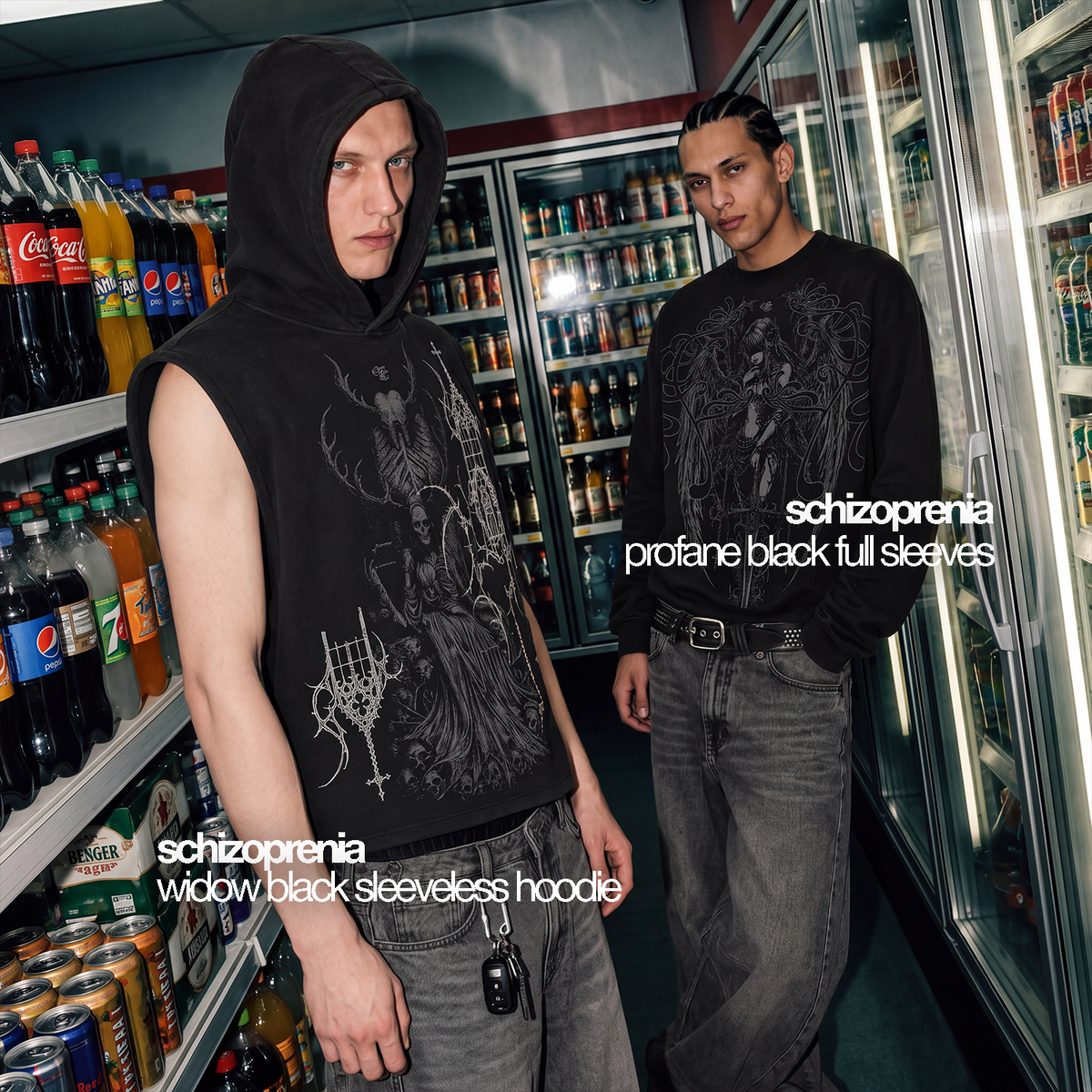
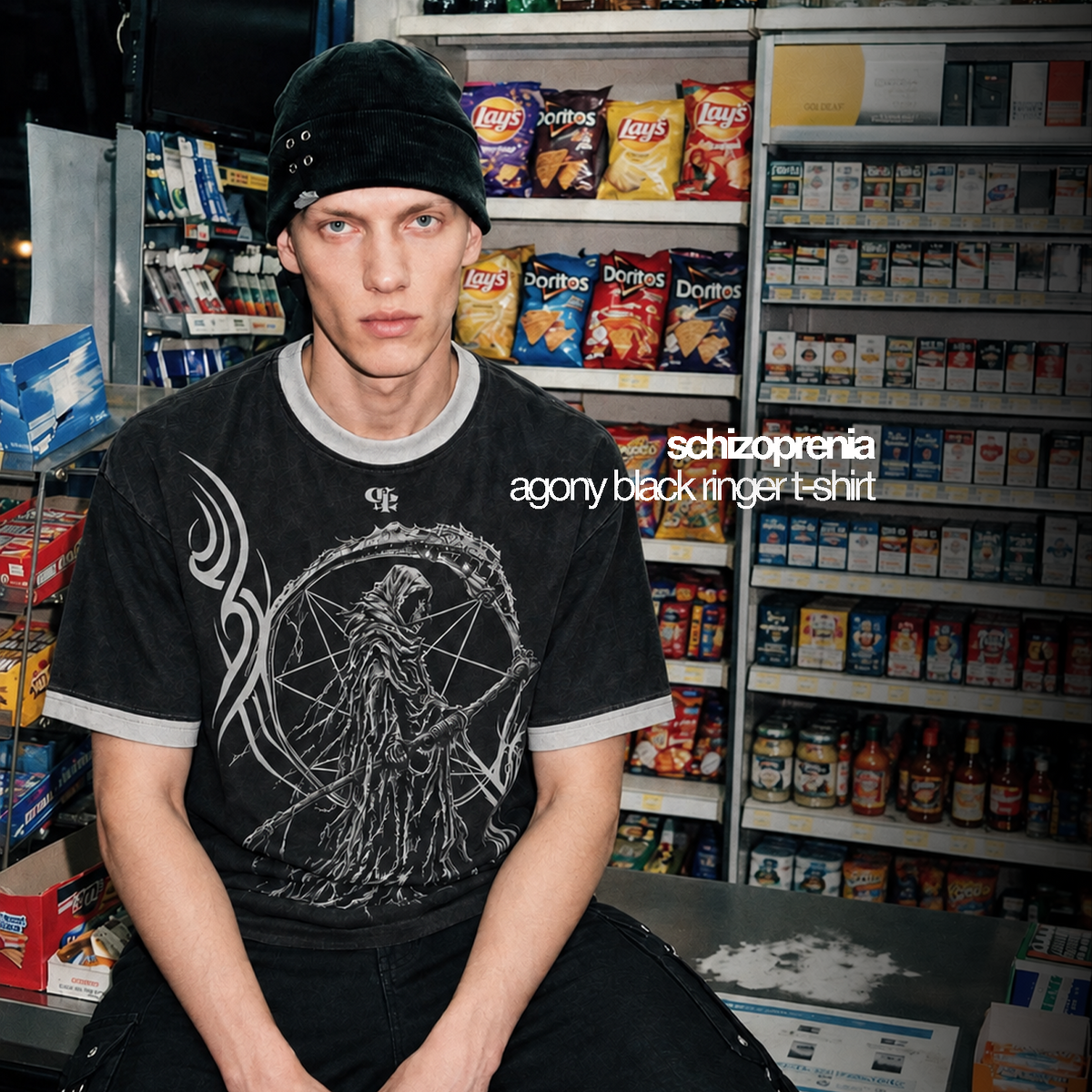
Every detail is intentional. Typography. Distressing patterns. Fabric selection. Construction methods.
When the founder's name is on the piece, quality becomes personal.
3: Ethical Manufacturing
Homegrown brands control their supply chain.
They know the people making their pieces. They ensure fair wages, safe conditions, actual values.
You're not funding exploitation. You're funding dignity.
4: Environmental Responsibility
Small-batch production = less waste.
No overproduction. No overstock. No disposal.
In-house manufacturing (like GENRAGE) means full control: waste reduction, material choices, ethical disposal.
5: Cultural Building
Homegrown brands create culture, not conformity.
They celebrate individual style. They build communities. They create spaces for expression.
Your purchase isn't just a transaction. It's a vote for culture.
The Economics: Why Homegrown Costs More (And Why That's Good)
Fast fashion is cheap because corners are cut.
Homegrown brands cost more because nothing is cut.
Fast Fashion Price Breakdown:
Materials: $2
Manufacturing: $0.50 (exploitative wages)
Marketing: $5
Retail markup: 400%
Result: $30 shirt costs $3 to make
Homegrown Brand Price Breakdown:
Materials: $5 (quality fabrics)
Manufacturing: $3 (fair wages)
Marketing: $1 (word-of-mouth, organic)
Result: $40 shirt actually costs $9 to make
The homegrown brand is being honest about costs. The fast-fashion brand is lying about value.
When you buy homegrown, you're paying for actual value. Quality. Ethics. Craftsmanship.
When you buy fast fashion, you're paying for a lie.
The Long-Term Math: Homegrown Wins
Fast Fashion Scenario:
Buy 10 cheap shirts/year at $25 each = $250/year
Throw away 8, keep 2 (because cheap fabric fails)
Repeat for 10 years = $2,500 spent, ~5 wearable pieces
Homegrown Scenario:
Buy 3 quality shirts/year at $40 each = $120/year
Wear all 3 regularly for 5+ years
Repeat for 10 years = $1,200 spent, ~15 wearable pieces
Homegrown is cheaper and better.
The Real Cost of Fast Fashion
If you buy a $15 shirt from fast fashion, the actual cost is much higher:
Exploitation of garment workers
Environmental pollution and ecosystem destruction
Your own closet overcrowding and mental burden
Landfills overflowing with textile waste
Cultural homogenization
Normalization of disposability
That $15 shirt costs the planet $100+.
Why Gen Z Is Rejecting Fast Fashion
Gen Z sees through the lie. They understand:
Authenticity Premium: Real beats fake every time
Values Alignment: How you spend money is a values statement
Quality Recognition: They know cheap when they see it
Environmental Awareness: They'll inherit the pollution
Cultural Consciousness: They want to build culture, not follow trends
That's why GENRAGE resonates with Gen Z. It's real. It's intentional. It's honest.
Homegrown Brands Are Winning (And Will Keep Winning)
The Data:
73% of Gen Z would pay more for sustainable fashion
62% actively avoid fast fashion brands
Homegrown brand awareness up 340% in 3 years
Homegrown brands have 3x higher customer loyalty than fast fashion
This isn't a niche. This is the future.
How to Transition Away From Fast Fashion
Step 1: Stop the Consumption Spiral
Delete fast-fashion apps. Unfollow those brands. Break the algorithmic loop.
Step 2: Audit Your Closet
What do you actually wear? What never gets worn? What lasts vs. what fails?
The answer will surprise you. Quality pieces always win.
Step 3: Buy Intentionally
Instead of 10 pieces you're unsure about, buy 2 pieces you love.
Quality > quantity. Always.
Step 4: Support Homegrown Brands
Find 3-5 brands you genuinely love. Support them consistently.
Community > corporation.
Step 5: Value Longevity
Will this piece last 3 years? Will I actually wear it? Does it align with my values?
If yes to all three, it's worth the price.
The Homegrown Streetwear Manifesto
We believe:
Craftsmanship matters
Fair wages are non-negotiable
Small-batch production is premium
Community comes before profit
Quality is the only ethics
Authenticity beats hype
Culture is more important than trends
We reject:
Disposable fashion
Exploitation
Artificial scarcity
Fast-fashion logic
Empty corporate values
Trend-chasing desperation
We build:
Pieces that last years
Culture, not products
Communities, not customer bases
Values-aligned fashion
The future of streetwear
The Bottom Line
In 2026, the choice is binary:
Support fast fashion: You're voting for disposability, exploitation, environmental destruction, and cultural homogenization.
Support homegrown brands: You're voting for quality, ethics, sustainability, and real culture.
There's no middle ground. Your purchase is your vote.
GENRAGE isn't the only homegrown brand that matters. But it's a clear example of what values-aligned fashion looks like.
Support brands that deserve your support.
Build culture. Reject disposability. That's the move in 2026.


Leave a comment
This site is protected by hCaptcha and the hCaptcha Privacy Policy and Terms of Service apply.