



Winter Wear for Men in India 2026 - The Streetwear Layering Guide
"Winter wear for men in India" is one of the most useless searches on Google. Half the results are listicles selling puffer jackets to people in Chennai. The other half are generic "buy a sweater" articles that ignore the fact that India's winter is actually four different seasons happening in four different parts of the country at the same time.
Delhi in January is genuinely cold- 4°C in the morning, fog you can't see through, the kind of weather where you actually need real winter clothing. Mumbai in January is "open the AC vents" weather. Bangalore in December gets crisp evenings but daytime is still 25°C. Chennai doesn't get winter at all.
This guide handles all of it. We're going to break Indian winter into four real climate zones, tell you exactly what to wear in each one, build the layering system that actually works, and give you outfit formulas you can copy. No puffer jackets recommended for Goa.
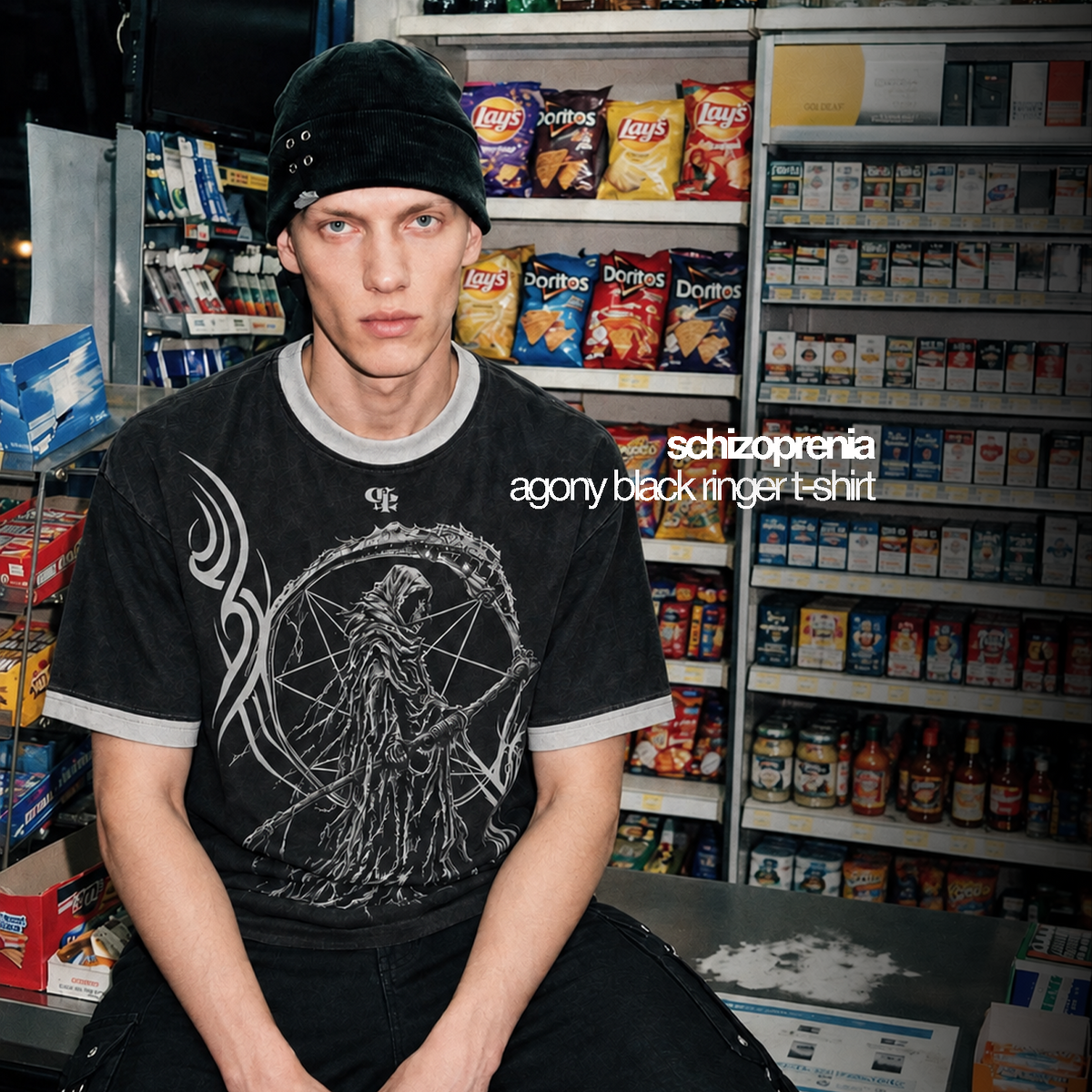
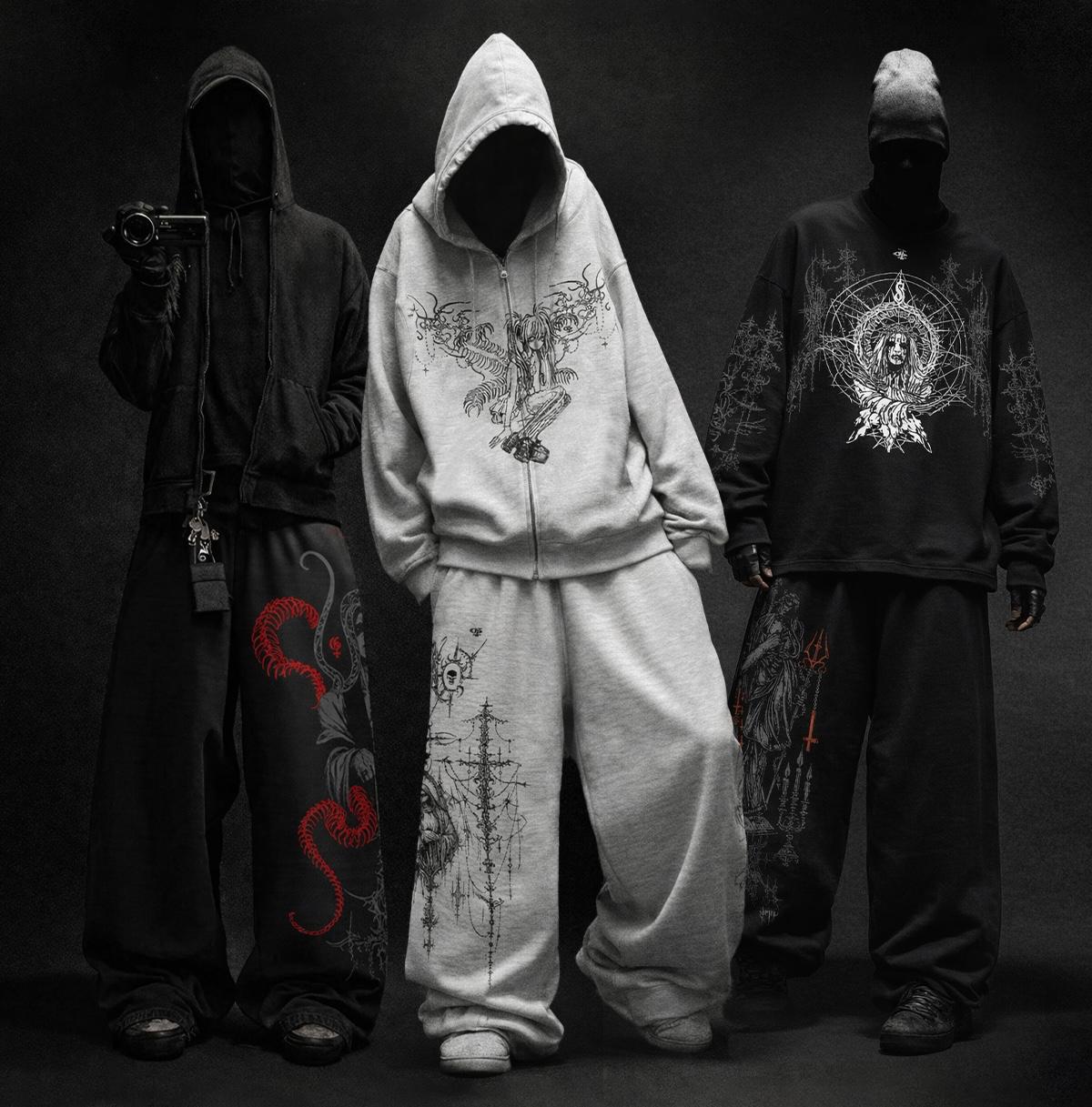
And because we're GENRAGE, built for streetwear, built in Mumbai, manufacturing 240–280 GSM heavyweight cotton, we're going to focus on the streetwear version of winter dressing. Hoodies, overshirts, layered tees, baggy bottoms with weight to them. Not the kurta-and-Nehru-jacket route, not the corporate-pullover-over-formal-shirt route. Real Indian guy winter, done right.
The Four Indian Winters (and What Each One Actually Requires)
Zone 1: Real winter (North India — Delhi, Punjab, UP, Bihar, Himachal foothills)
December–February daytime: 8–18°C. Mornings and evenings: 2–8°C. Foggy, dry, cold enough to actually need layers. This is the only Indian winter that requires the full Western winter wardrobe. Heavy hoodies, thick overshirts, occasionally a proper jacket. Mornings are brutal; afternoons let you peel back to one layer.
Zone 2: Mild winter (Mumbai, Pune, Bangalore, Hyderabad)
December–February daytime: 22–28°C. Evenings: 16–20°C. Daytime is borderline summer but evenings genuinely cool down. The right approach: light layering. Heavyweight cotton tees, lightweight hoodies, an overshirt you can throw on after sunset. Most days you'll wear a single layer; you carry the second piece in your bag.
Zone 3: AC winter (everywhere indoor- co-working spaces, office buildings, malls, flights)
Year-round 16–22°C. The most underrated Indian "winter" because it happens 12 months a year. AC offices in Bangalore are colder than Delhi in March. Solution: a hoodie or overshirt that lives in your bag permanently. Doesn't matter what the weather outside is. Indoor temperature is what you're actually dressing for.
Zone 4: Coastal/Southern (Chennai, Goa, Kerala, coastal Andhra)
December–February daytime: 26–32°C. Evenings: 22–26°C. Honestly there is no winter here. The only "winter wear" that makes sense is a lightweight overshirt for AC environments and the occasional cool evening. If anyone in Chennai is selling you a winter jacket, they're committing fraud.
The Streetwear Winter Layering System
Forget the "wear three jackets" approach Western fashion sites push. Indian winter dressing, even in real cold works better with three lightweight layers than two heavy ones. Here's the system.
Layer 1: The base
A 240 GSM heavyweight oversized t-shirt or a full-sleeve cotton tee. This is your foundation. Not thermals (too tight, too sweaty when you go indoors). A real heavyweight cotton tee that holds shape and gives warmth on its own. Black, charcoal, cream, or navy.
Layer 2: The mid
A hoodie, sweatshirt, or overshirt. This is the layer that does most of the work. Hoodie if you want maximum warmth and comfort. Overshirt if you want a sharper, more considered look. Crew sweatshirt if you're dressing slightly more polished.
Layer 3: The outer
Optional in Mumbai/Bangalore. Mandatory in Delhi from December–February. A bomber, a denim or canvas jacket, a heavier overshirt, or a proper puffer for actual cold. The outer layer should be the warmest piece and should be removable when you go indoors.
The whole system should peel off in reverse order as the day warms up. Morning: all three layers. Afternoon: shed the outer. Indoors with heating: shed the mid. Back outside in the evening: rebuild.
The 8 Essential Winter Pieces for Indian Men in 2026
1. The heavyweight oversized hoodie (₹1,800–₹3,500)
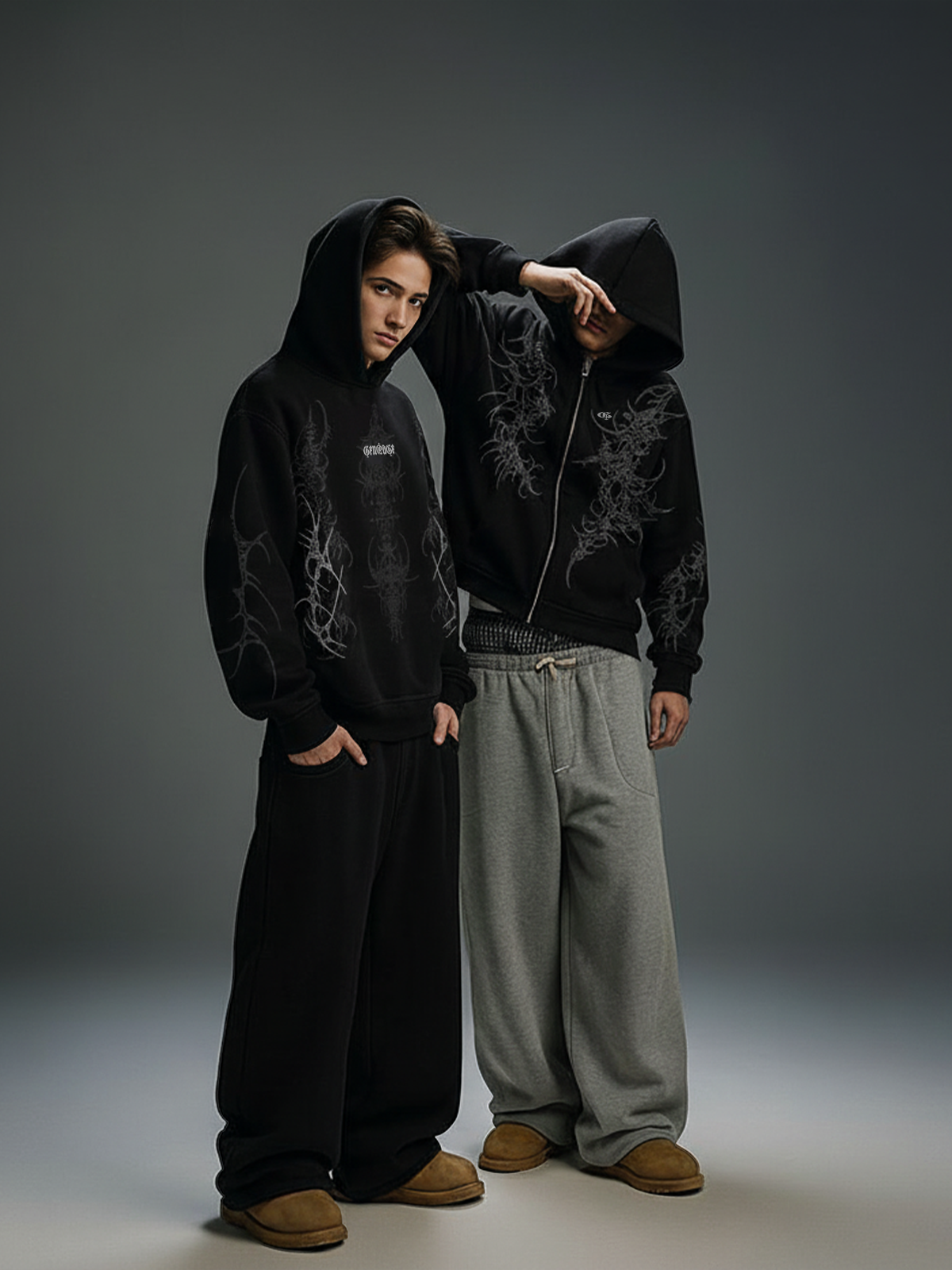
The single most important piece in your winter wardrobe. 320–400 GSM cotton-fleece blend. Boxy, oversized cut. Black is the safest first buy; charcoal grey is the second. The hoodie should do everything: standalone in mild weather, layer under a jacket in real cold, throw on over a tee when AC hits. Brands to look at: GENRAGE's hoodie line, Hiphaven, Almost Gods basics.
2. The overshirt or shacket (₹1,500–₹3,000)
A shirt that's structured enough to function as a light jacket. Heavier cotton than a regular shirt, often with utility pockets, sometimes lined. The shacket is the most versatile winter piece for Mumbai/Bangalore guys, heavy enough to add real warmth in evenings, light enough to wear daytime, looks more intentional than a hoodie. Olive, brown, charcoal, and black all work.
3. The crew sweatshirt (₹1,500–₹2,800)
A heavyweight crew-neck sweatshirt without a hood. Reads more polished than a hoodie, layers cleaner under jackets, works in semi-formal settings where a hoodie won't. One in cream or grey is the classic streetwear move; black is the underground move.
4. The bomber jacket (₹2,500–₹5,000)
The cleanest outerwear option for Indian streetwear. Looks intentional, layers over hoodies and overshirts, doesn't scream "I'm at a ski resort." Works for everywhere except actual Delhi January (too light for sub-5°C). Black is the streetwear default; olive and brown also work.
5. The denim jacket (₹2,000–₹4,000)
Underrated as a winter piece. Heavyweight raw denim or selvedge denim adds real warmth and pairs with everything in a streetwear wardrobe. Layered over a hoodie, the denim-jacket-over-hoodie combo is one of the most reliable winter fits in 2026.
6. The puffer or padded jacket (₹3,500–₹8,000)
Necessary for Delhi/Punjab/Himachal in December–January. Optional everywhere else. Black is the only sensible color. Avoid the giant logo puffers that everyone wore in 2022 — they look dated now. A clean, unbranded, quilted black puffer works for years. Skip down-fill if you can — synthetic insulation is more durable and warmer-for-the-weight in Indian conditions.
7. Heavyweight baggy pants (₹1,800–₹3,500)
Winter is when 320-350 GSM cotton baggy pants earn their price. Thicker fabric = warmer. Black, charcoal, beige, or olive. These replace lightweight summer pants entirely from November to February in North India, October to January in mid-India. Pair with thermal innerwear in actual cold.
8. The beanie (₹400–₹1,200)
Required for Delhi mornings, optional everywhere else. Plain knit beanie in black, grey, or cream. Avoid pom-pom beanies (look childish) and beanies with brand graphics across the front (look dated). Urban Monkey makes the standard Indian streetwear beanie.
Region-Specific Winter Outfits That Actually Work
Delhi / Punjab winter (real cold)
Morning fit (4–10°C)
-
Long-sleeve heavyweight cotton tee
-
Black hoodie (heavyweight)
-
Black puffer or padded jacket on top
-
Black baggy pants (280+ GSM)
-
Beanie + chunky sneakers + optional scarf
Why it works: Three layers of insulation, all peelable as the day warms. The puffer comes off by 11 AM, the hoodie comes off indoors. Black throughout keeps it streetwear, not slope-bound.
Afternoon fit (12–18°C)
-
Heavyweight oversized tee
-
Black hoodie or overshirt
-
Baggy denim
-
Sneakers
Why it works: Two-layer system that handles Delhi's afternoon transition. Add the puffer back when the sun drops at 5 PM.
Mumbai / Bangalore / Pune winter (mild)
Daytime fit (22–28°C)
-
240 GSM oversized tee
-
Light overshirt or zip hoodie carried in bag
-
Baggy cotton pant
-
Sneakers
Why it works: One layer worn, one layer ready. Mumbai and Bangalore in December feel like Delhi in October, warm during the day, cool by 7 PM. The carried second layer is non-negotiable.
Evening fit (16–22°C)
-
Long-sleeve cotton tee or heavyweight tee
-
Heavyweight overshirt or zip hoodie worn
-
Baggy denim or heavyweight cotton pant
-
Sneakers
Why it works: This is what Mumbai and Bangalore actually look like for 80% of "winter", single intentional layer, focus on fabric weight to add warmth without bulk.
AC environment (offices, co-working, flights)
-
Base tee (any weight)
-
Overshirt or zip hoodie always available
-
Baggy pants
-
Optional: thin scarf or beanie if you're someone who feels cold easily
Why it works: AC environments will hit you with 16–18°C even when it's 32°C outside. Carrying one layer year-round handles this. The single most-skipped winter wardrobe rule in India.
Coastal/Chennai/Goa "winter"
-
240 GSM oversized tee
-
Lightweight cotton overshirt for evenings only
-
Baggy cotton pant or shorts
-
Sneakers or sandals
Why it works: This is essentially summer with a marginally cooler evening. Don't buy winter clothing if you live here. Buy a single overshirt and call it done.
5 Layering Rules That Make Indian Winter Streetwear Work
1. Color anchor at the base, accents on top
Pick a base layer color (usually black, cream, or charcoal) and let outer layers add tonal variation. Three different bright colors stacked together looks chaotic. Black tee → grey hoodie → olive jacket works. Red tee → blue hoodie → orange jacket doesn't.
2. Each layer should be removable without breaking the outfit
Test it before you walk out: if you take off the jacket, does the outfit still work? If you take off the hoodie, does the base layer hold up alone? If the answer is no, the outfit is depending too heavily on the outer layer.
3. Fabric weight progression: medium-base → heavy-mid → heaviest-outer
Wrong: thick hoodie under a thin denim jacket. Right: medium tee → thick hoodie → heavier denim jacket or puffer. The heaviest layer should always be on top so it can come off entirely without exposing thin underwear-tier base layers.
4. Bottoms need weight too
Most guys layer their tops obsessively and wear the same thin pant they wore in October. Wrong. Switch to heavyweight cotton (280+ GSM) or denim bottoms in winter. Cold legs ruin the entire outfit's feel.
5. Accessories add warmth and finish
A beanie adds 30% to perceived warmth and immediately upgrades a streetwear winter fit. A scarf in dark colors works the same way. Skip gloves unless you're actually in Himachal, they're overkill in Delhi and unnecessary everywhere else.
5 Winter Wear Mistakes Indian Guys Keep Making
1. Buying winter clothes for the climate they don't live in
Mumbai guys buying puffer jackets is the most common mistake. You will wear it three times all winter. That budget should go into one excellent overshirt and one heavyweight hoodie instead.
2. Wearing summer pants under heavy tops
A puffer jacket with thin slim-fit jeans is the most off-balance possible silhouette. Heavy on top demands heavy on the bottom. Switch to heavyweight cotton or denim in winter, period.
3. Thermals under everything
Thermals work in actual sub-10°C weather. In Mumbai or Bangalore "winter," thermals make you sweat and ruin the rest of your outfit's drape. A heavyweight cotton long-sleeve tee replaces them in 90% of Indian climates.
4. Skipping the overshirt
The single most underrated piece in Indian winter wardrobes. Works in every region, every temperature range from 12°C to 22°C, looks more intentional than a hoodie, layers under jackets cleanly. If you only buy one new winter piece this year, make it a structured overshirt in olive, charcoal, or black.
5. Buying based on color instead of fabric weight
A great-looking ₹1,200 hoodie made of thin polyester-cotton blend will let you down within two wears. A plain black ₹2,500 hoodie in 350 GSM cotton-fleece will outlive your phone. Read the label. Check the GSM. The aesthetic doesn't matter if the fabric is cheap.
Frequently Asked Questions
Q: What is the best winter wear for men in India in 2026?
A: It depends entirely on your region. For real cold (Delhi, Punjab, North): heavyweight hoodies, padded jackets, beanies, and 280+ GSM bottoms. For mild cold (Mumbai, Bangalore, Pune): heavyweight oversized tees, overshirts, and zip hoodies for evenings. For AC environments year-round: a lightweight hoodie or overshirt that lives in your bag. For coastal/Chennai: skip winter clothing entirely except for a single overshirt.
Q: Are hoodies still in style for men in 2026?
A: Yes, and oversized heavyweight hoodies are now the dominant winter staple in Indian streetwear. The shift in 2026 is toward boxier cuts, heavier fabric (320–400 GSM cotton-fleece), and minimal graphics. Slim-fit hoodies and zip-up athleisure styles have faded; the streetwear hoodie has taken over.
Q: What should I wear in Mumbai winter?
A: Mumbai "winter" is essentially mild cool weather, 22–28°C daytime, 16–20°C evenings. The right approach is single-layer dressing during the day (heavyweight cotton tee, baggy pants) with a second layer (zip hoodie or overshirt) carried for evenings. Skip puffer jackets — you'll never wear them.
Q: What temperature does Delhi winter actually hit?
A: Delhi winter daytime ranges 8–18°C between December and February, with morning lows reaching 2–6°C in January. This is the only Indian winter that requires the full Western winter wardrobe approach, heavy outer layer, mid layer, and base layer — for outdoor mornings and evenings.
Q: Are puffer jackets worth buying in India?
A: Only if you live in Delhi, Punjab, UP, Bihar, Himachal, or higher elevations. For everywhere else (Mumbai, Bangalore, Pune, Hyderabad, Chennai, Kerala, Goa) a puffer is overkill. Spend that budget on a heavyweight overshirt and zip hoodie instead — you'll wear them 100x more.
Q: How do I layer streetwear in winter without looking bulky?
A: Use the medium-base, heavy-mid, heaviest-outer rule. Start with a 240 GSM tee, add a 320 GSM hoodie, finish with a structured outer layer like a denim jacket or bomber. Each layer should be slightly looser than the last so they sit cleanly without bunching. Bottoms should match the weight of the top half, heavyweight 350 GSM baggy pants or denim, not thin chinos.
Q: What's the best fabric for Indian winter wear?
A: Heavyweight cotton is the best all-rounder for India because it works across the wide temperature range we deal with. Cotton-fleece blends (for hoodies and sweatshirts) add warmth without trapping sweat. Wool is excellent for actual North Indian cold but uncomfortable in mid-India winters. Avoid cheap polyester blends, they trap sweat indoors and don't insulate properly outdoors.
The Final Word
Indian winter dressing isn't one problem, it's four. Real cold, mild cool, year-round AC, and actual non-winter. Most guys buy for the wrong one and end up with a closet full of pieces they wear three times a year.
Get this right and your winter wardrobe should fit in eight pieces. A heavyweight hoodie. An overshirt. A crew sweatshirt. A bomber. A denim jacket. Heavyweight pants. A beanie. Maybe a puffer if you're in Delhi. That's it. Worn correctly, this set handles every Indian winter scenario from December morning fog to AC office in May.
Skip the slim-fit minimal puffer your favorite influencer is selling. Skip the trench coat that looks great on Pinterest and terrible in actual Indian conditions. Buy heavyweight cotton, build a layering system, and let the fabric do the work.


Leave a comment
This site is protected by hCaptcha and the hCaptcha Privacy Policy and Terms of Service apply.