

Gen Z Fashion Trends 2026: What Indian Men Are Actually Wearing
Gen Z Fashion Trends 2026: What Indian Men Are Actually Wearing
Fashion media talks about trends that don't match what actual Gen Z men wear. This guide cuts through the hype and shows what's actually happening on Indian streets in 2026.
The Real Trends (Not Fashion Media Hype)
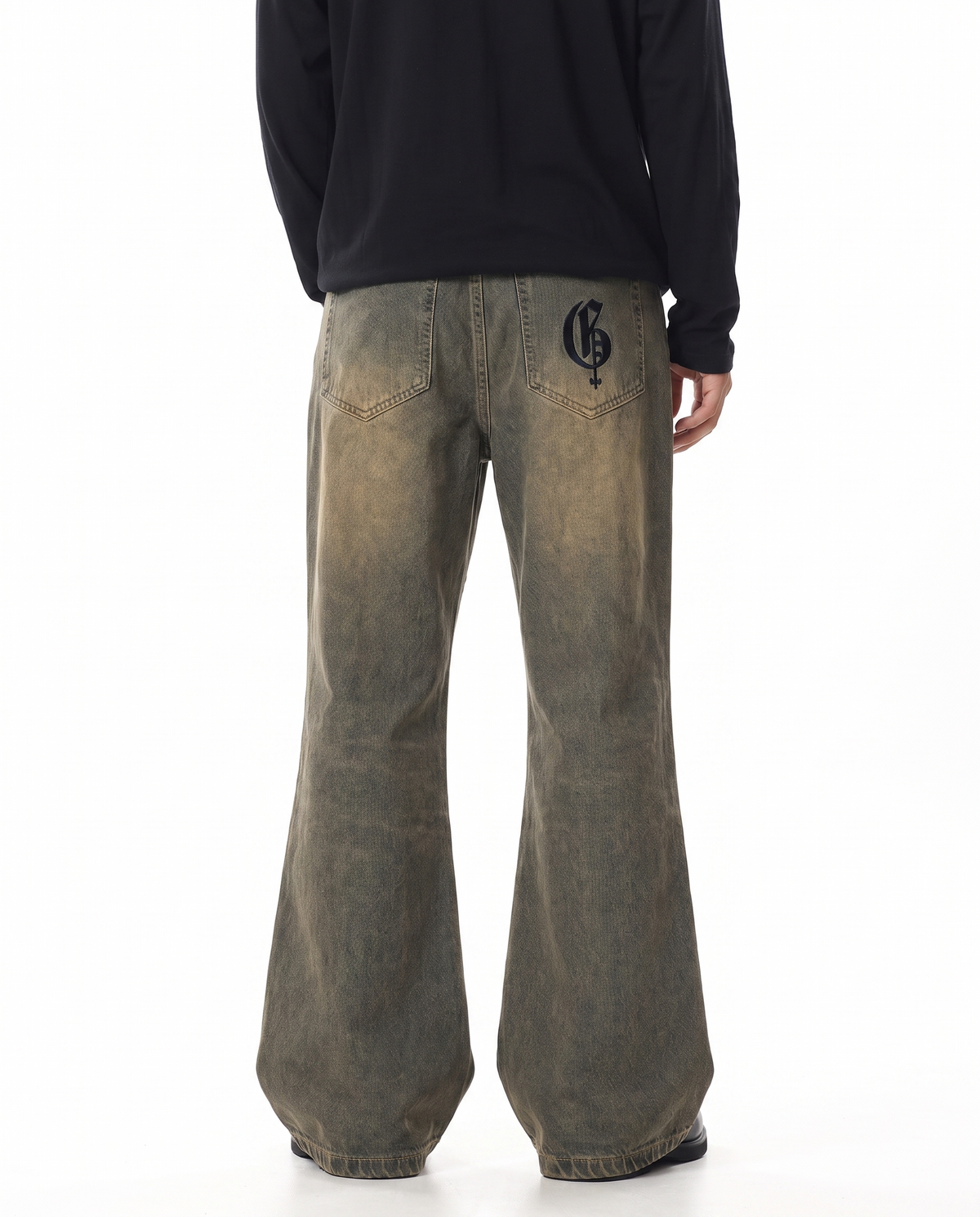
1. Baggy Jeans Became Baseline
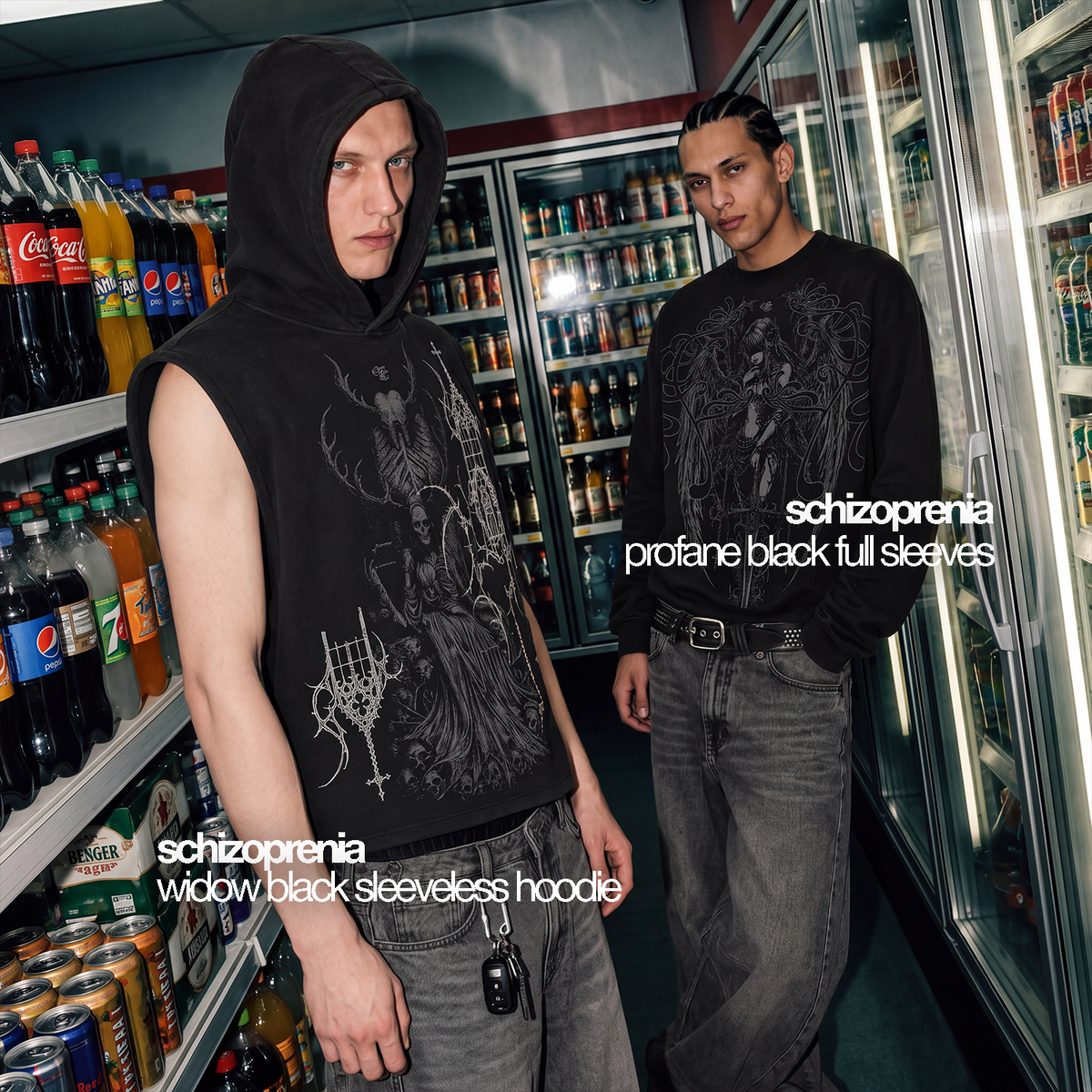
Not a trend anymore—the default. 70%+ of Gen Z men own baggy jeans. Replaced skinny entirely.
2. Oversized Tees Replaced Fitted
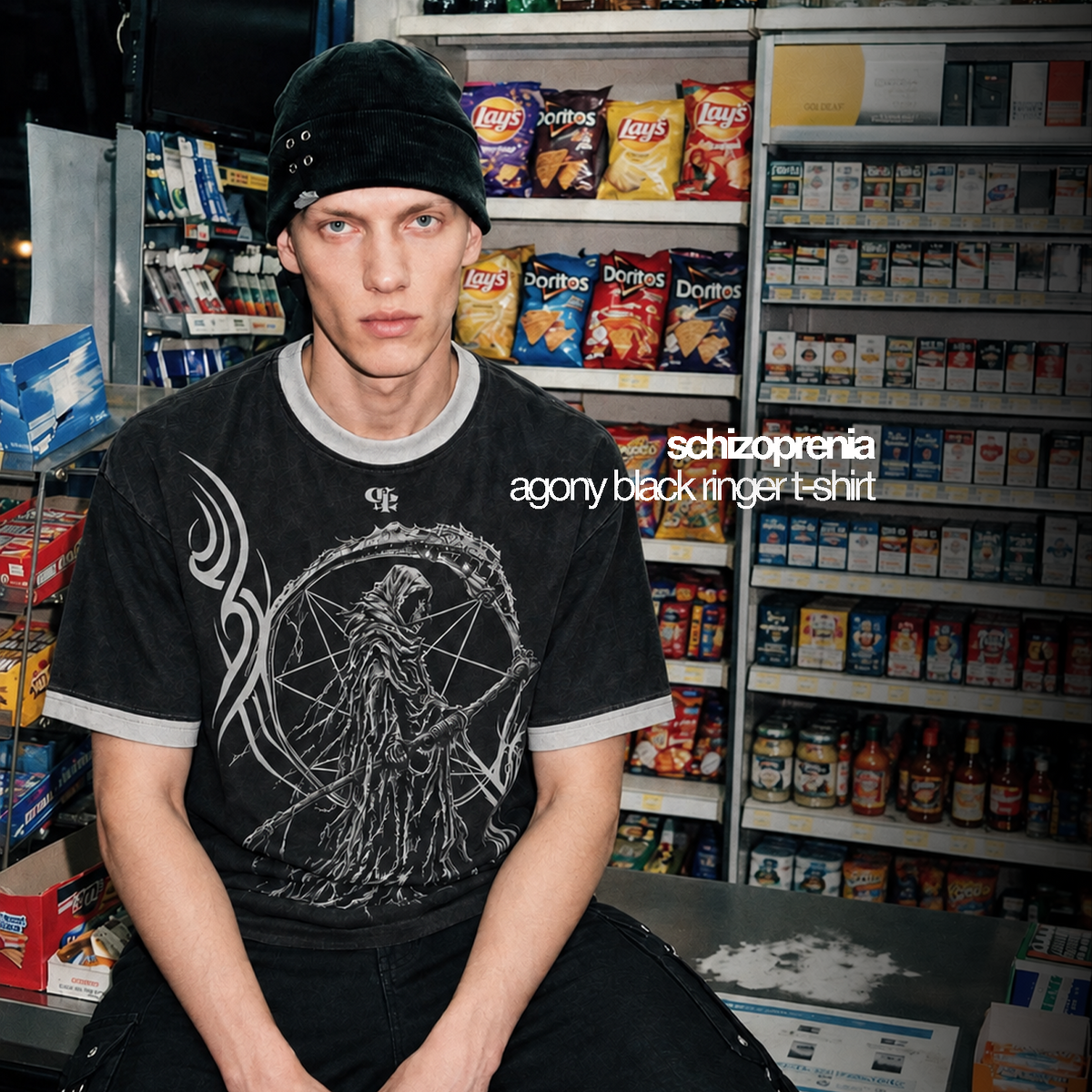
Fitted tees feeling dated. Oversized + intentional proportions = standard now.
3. Cargo Pants Y2K Revival
Not extreme 90s cargos. Modern proportions. Functional aesthetic back in rotation.
4. High-Tops Only (Minimal Sneakers Dying)
Tiny minimal sneakers feel dated. High-tops, chunky sneakers = what people actually buy.
5. Monochrome Dressing
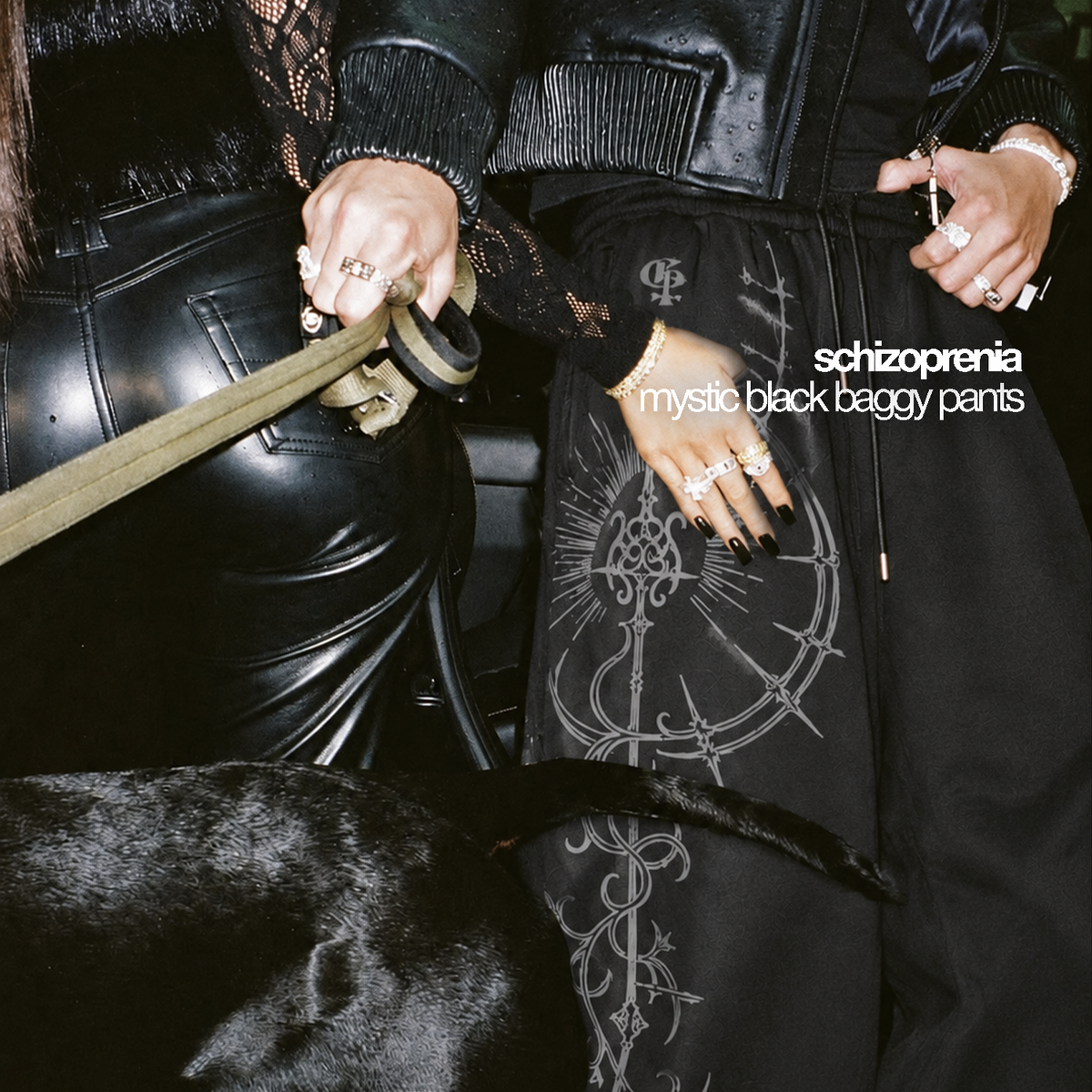
All black, all white, all grey. Simplification. Proportions matter more than color combinations.
6. Layering as Default
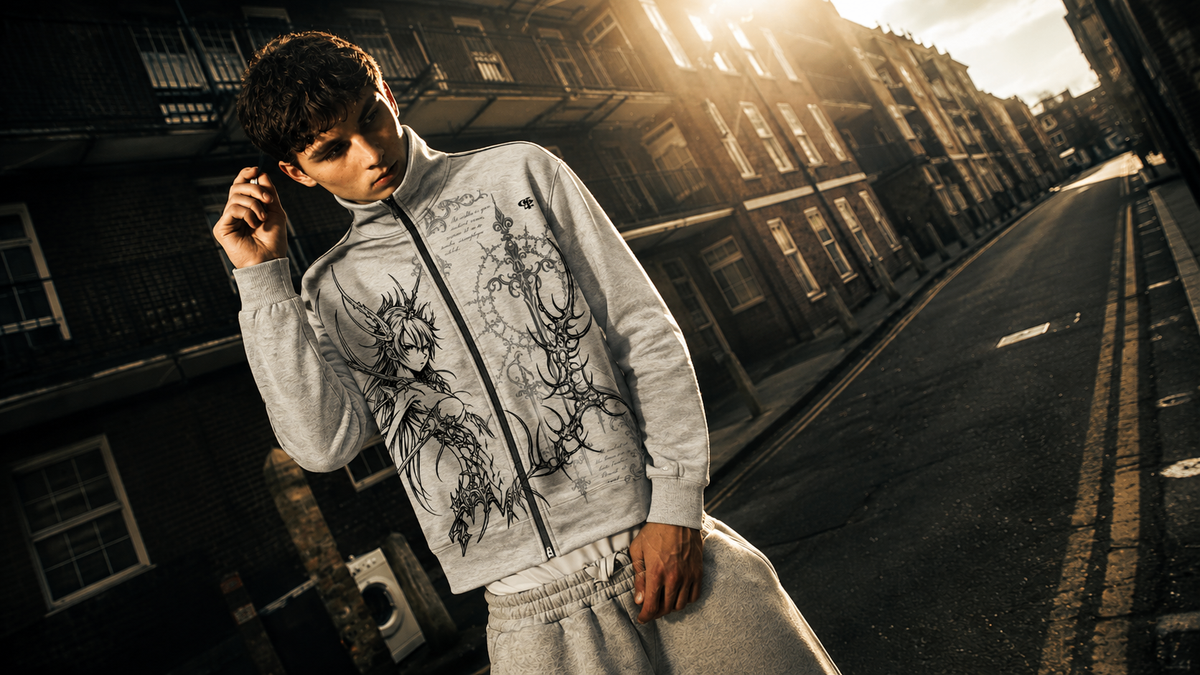
T-shirt + overshirt standard. Adding depth seen as essential, not optional styling.
7. Streetwear Became Baseline
Not niche anymore. "Streetwear" is just how Gen Z dresses casually. Term becoming obsolete.
8. Chains/Minimal Jewelry
Not aggressive gold chains. Single chain, rings, watches. Subtle intention markers.
What Died (Despite Fashion Media)
1. Skinny Jeans
Completely dead. No Gen Z man wears them unironically.
2. Slim Fit Everything
Rejects tight through-the-board. Comfort prioritized explicitly.
3. Coordinated Matching
Color-coordinated outfits feel dated. Intentional clash acceptable (black + navy acceptable).
4. Logos Everywhere
Extreme branding feels dated. Single logo or graphic acceptable. All-over logos not.
5. Formal Casual (Business Casual)
Formal shoes with casual pants feels wrong now. Either actually formal or fully casual.
6. Pastel Colors
Pastel fashion (light pink, mint) feels young-skewing outdated. Solid neutrals or jewel tones preferred.
India-Specific Trends (Different from Global)
1. Practical Price-Consciousness
Indian Gen Z prioritizes value-for-money. Trend items need to be affordable to catch on widely.
2. Climate-Adapted Fashion
No winter/heavy layering as default. Light oversized tees, breathable fabrics prioritized.
3. College Culture Dominance
Trends set in college spaces (Delhi, Mumbai, Bangalore). College fashion = national trend setter.
4. DTC Brand Adoption
Indian direct-to-consumer brands grew faster than traditional retail. Shapes available options.
5. Minimalist Luxury Remix
Mix of budget and slightly-premium pieces. All-budget or all-premium less common.
6. Proportions Over Logos
Indian Gen Z cares more about how clothes FIT than what logo they have.
Seasonal Shifts 2026
Spring/Summer: Light oversized tees, track pants, breathable fabrics. Heat prioritized.
Monsoon: Durable pants (cargo, jeans), quick-dry fabrics, practical everything.
Post-monsoon/Winter: Layering increases, overshirts, light jackets. But still moderate (not extreme winter wear).
Overall: Indian fashion cycles are less extreme than Western. Trends more about proportions/fit than seasonal swaps.
By Context: What Gen Z Wears
College: Baggy jeans + oversized tee + high-tops + light layer (if needed). This is THE college uniform in 2026.
Going Out: Same foundation + intentional accessories (chain, rings, better shoes). Shows more effort than college.
Gym/Athletic: Track pants + athletic tee + gym shoes. Intentional athletic aesthetic, not street.
Home/Casual: Loosest proportions. Oversized everything. Pure comfort priority.
Work/Internship: Business casual (button-up + dark pants + clean shoes). Streetwear not acceptable here.
Price Point Reality
What Gen Z Actually Spends:
-
Budget pieces: ₹500-₹1000 (majority of what they own)
-
Mid-range: ₹1000-₹2000 (occasional splurges)
-
Premium/brand: ₹2000+ (rare, special pieces)
-
Average Gen Z wardrobe value: ₹15,000-₹25,000 for foundational pieces
Spending behavior: Most quantity at budget prices. One or two intentional mid-range pieces. Premium pieces rare unless gifted.
Where they buy: Online marketplace (70%+), DTC brands (20%), traditional retail (10%). Online culture dominant.
What Matters in 2026 (Priority Order)
1. Fit/Proportions
How the clothes FIT matters more than brand or price.
2. Quality Feel
Fabric shouldn't feel cheap. ₹1000+ pieces should feel intentional.
3. Comfort
Needs to be wearable for hours. Tight doesn't work.
4. Personality
Clothes should reflect who you are, not follow trends blindly.
5. Practicality
Needs to work for your actual life (college, work, going out).
6. Price
Needs to be affordable. Value-for-money matters.
7. Brand
Least important. Brand matters less than how it looks on YOU.

Leave a comment
This site is protected by hCaptcha and the hCaptcha Privacy Policy and Terms of Service apply.