

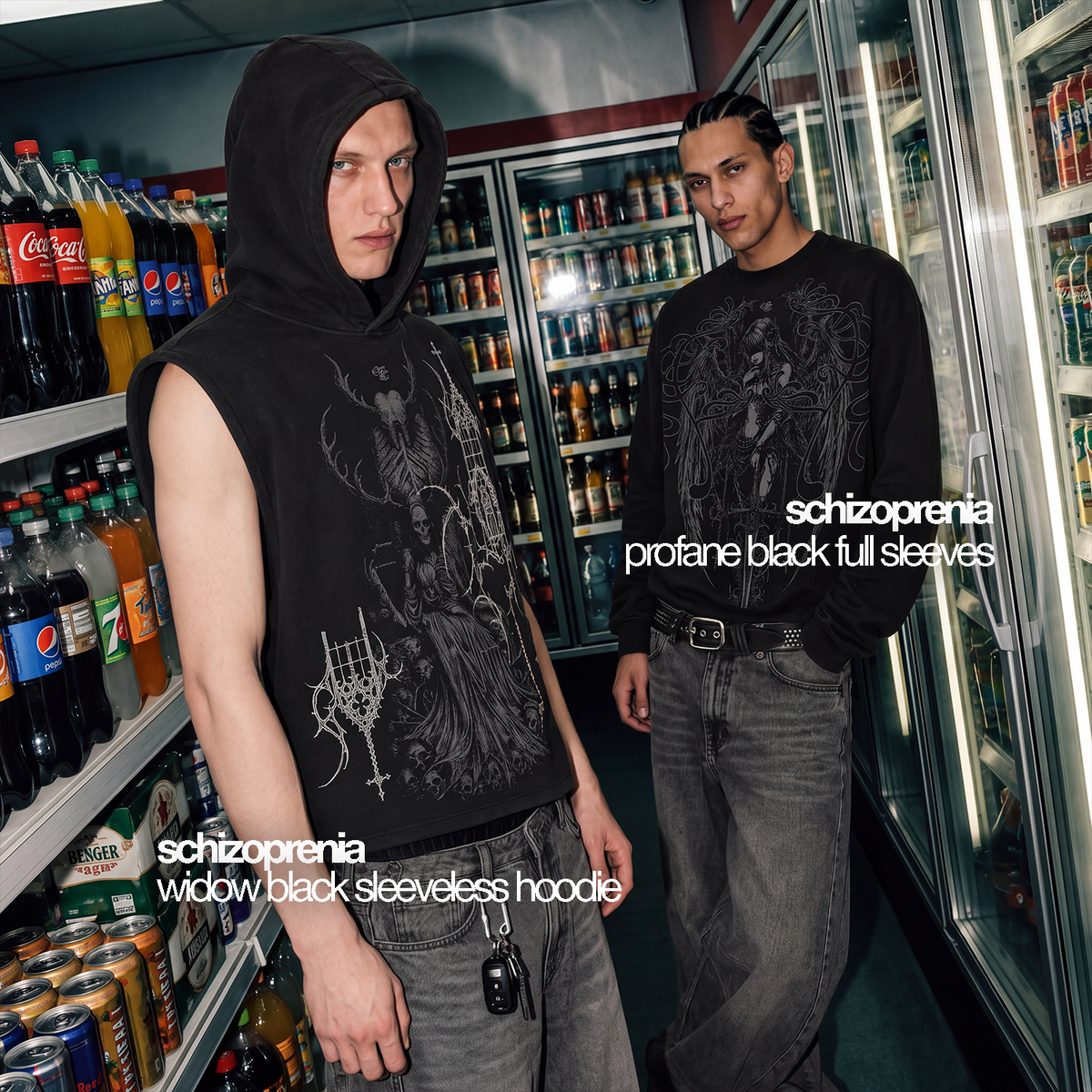
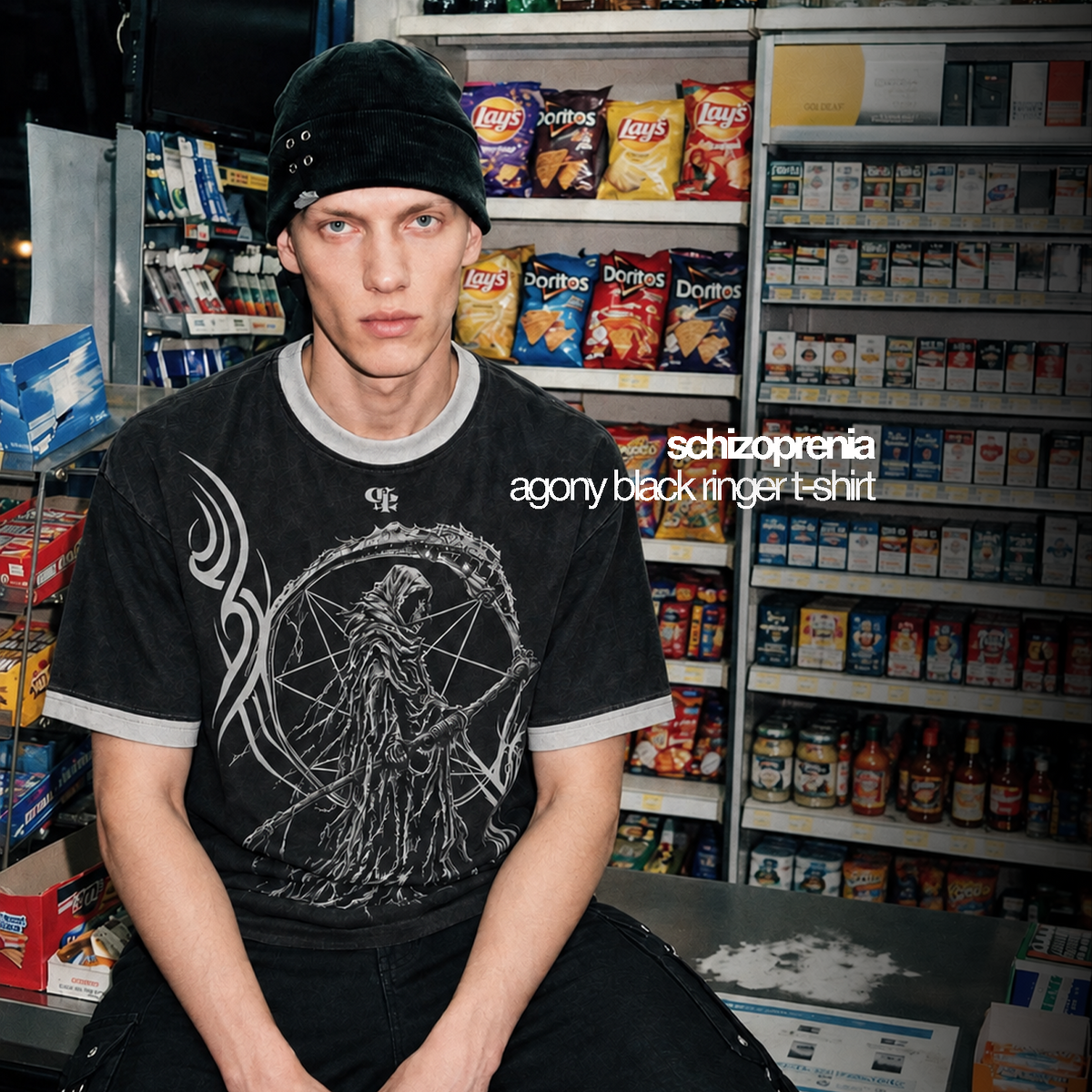


What Is Indian Streetwear? Defining the Aesthetic + Indian Context
What Is Indian Streetwear? Defining the Aesthetic + Context
"Streetwear" is everywhere. Everyone claims to wear it. But what actually defines streetwear versus just "casual clothes"?
This guide breaks down what streetwear actually is, how it evolved, and what it means specifically in Indian context.
Streetwear: The Definition
The simplest definition: Fashion designed for street culture, not formal settings. Practical + intentional + personality-driven.
Core characteristics: 1. **Comfort + Function:** Designed for movement, walking, spending hours outside. Practical necessity. 2. **Visual Intention:** Looks are intentional, not accidental. Thought goes into the outfit. 3. **Personality/Identity:** Reflects who you are. Not uniform, not formal. Individual expression. 4. **Mix of Elements:** Combines high and low (brand pieces with budget pieces). Doesn't need to be expensive. 5. **Casual Foundation:** Starts with t-shirt/jeans/sneakers as base. Builds from there. 6. **Graphic/Visual Messaging:** Often includes graphics, logos, text that communicate identity/belonging.
Streetwear vs Casual vs Fashion
Casual: Just regular clothes. No particular thought. T-shirt + jeans + sneakers with zero intention.
Streetwear: T-shirt + jeans + sneakers + intentional pairing, accessories, or graphic that shows thought went into it.
Fashion (high fashion): Formal or designer-focused. Trends set by fashion houses. Often impractical for daily wear.
The difference: Streetwear is intentional but practical. Fashion is intentional but not necessarily wearable. Casual is practical but not intentional.
Where Streetwear Came From
1970s-1980s Origins:** Hip-hop culture (Bronx, NYC). Expensive luxury brands worn by people who couldn't afford them. Counterculture statement. "We're wearing luxury despite economic exclusion."
1980s-1990s Expansion:** Skate culture, graffiti culture, underground music. Different communities using fashion as identity marker. Practical + rebellious aesthetic.
1990s-2000s Commercialization:** Brands like Supreme, Stüssy started. Streetwear became marketable. Still maintained rebellious spirit + practicality.
2000s-2010s Mainstream:** Streetware became acceptable in mainstream. High fashion houses started copying streetwear. Balenciaga, Louis Vuitton started making "streetwear-inspired" pieces.
2010s-Now:** Streetware basically IS mainstream now. Gen Z grew up with it. It's the default casual aesthetic globally.
Core Streetwear Elements (Modern)
1. Graphic/Logo T-Shirts:** Band tees, brand logos, artistic graphics. Visual communication through shirt.
2. Oversized Silhouettes:** Oversized tees, oversized jackets, baggy pants. Comfort + intentional visual statement.
3. Sneakers (as centerpiece):** High-tops, chunky sneakers, limited edition drops. Shoes matter massively in streetwear.
4. Layering:** T-shirt + overshirt + jacket. Creates depth, shows intentionality.
5. Accessories:** Chains, rings, watches, caps, bags. Small touches that show personality.
6. Brand Mixing:** Expensive piece + budget piece + vintage piece. Doesn't need to match or be cohesive formally. Intentional eclecticism.
7. Baggy/Fitted Proportions:** Not skin-tight (that's not streetwear). Not oversized everywhere (that's sloppy). Intentional proportion balance.
Streetwear in Indian Context
Difference from Western streetwear:** Western streetwear has rebellious origin (hip-hop counterculture). Indian streetwear is emerging from different place—generational style preference + global influence + India-specific modifications.
Indian streetwear identity:** - More conservative proportions (less extreme baggy) - Practical for Indian climate (lighter weight, breathable) - Price-conscious (streetwear mix allows budget options to work) - Influenced by global trends but locally adapted - Gen Z standard, not counterculture statement
Indian streetwear + college culture:** Streetware has become college uniform in India. The default aesthetic for 18-26 year olds. Practical, affordable, personality-driven.
Indian streetwear + weather:** Streetware adapted for Indian heat. Lighter fabrics, breathable materials, practical proportions that accommodate humidity.
Indian streetwear + formality expectations:** India has strong formality expectations in family/professional contexts. Streetwear represents push-back against that in personal spaces (college, friends, casual time).
What ISN'T Streetwear
Formal wear: Suits, formal shirts, dress pants. Not streetwear.
Sloppy casual:** Worn-out clothes, no visible thought, pure comfort prioritization. Casual, not streetwear.
High fashion:** Designer runway looks, impractical pieces. Fashion, not streetwear.
Vintage/thrift without intention:** Thrift pieces worn accidentally. Thrift can be streetware if intentional, but thrift alone isn't streetwear.
One piece of expensive clothing with no styling:** Brand belt with regular outfit. Accessory, not streetwear aesthetic.
Streetwear as Generational Marker
Why Gen Z chose it:** 1. Rejection of tight skinny jeans (prior generation) 2. Practicality for actual daily life (comfort matters) 3. Affordable (doesn't require expensive designer pieces) 4. Personality-driven (allows individuality within casual framework) 5. Global (accessible worldwide, including India)
Why it stuck:** Streetware solves real problems (comfort, practicality, affordability, self-expression). It's not a trend—it's how a generation actually wants to dress.
Cultural significance:** Streetware represents cultural shift toward casual, away from formality. In India specifically, represents younger generation prioritizing comfort and self-expression over family/cultural formality expectations.
Frequently Asked Questions
Q: Is streetwear still relevant in 2026? A: Yes. It's past "trend" stage and into "default aesthetic" stage. Not going anywhere.
Q: Do you need expensive brands for streetwear? A: No. Streetwear is about the aesthetic and intention. Budget pieces work if styled well.
Q: Is streetwear appropriate for formal events? A: Generally no. Streetwear is inherently casual. Save it for casual contexts.
Q: What makes something streetwear vs just casual? A: Intention. Casual is coincidental. Streetwear is chosen and intentional.
Q: Can older generations wear streetwear? A: Yes, but it's a generational aesthetic. Works best when you identify with the culture (youth, casualness, self-expression).
Bottom Line
Streetwear = intentional casual fashion. Started as counterculture (hip-hop), became generational default (Gen Z).
Core elements: graphic tees, oversized silhouettes, sneakers as centerpiece, layering, accessories, proportion balance.
In Indian context: adapted for climate and culture, now gen Z college standard, represents shift toward casual and personal self-expression.
It's not a trend—it's how a generation actually dresses.
Ready to explore streetwear? Browse our complete collection.

Leave a comment
This site is protected by hCaptcha and the hCaptcha Privacy Policy and Terms of Service apply.