


Why Do Gen Z Guys Wear Oversized Clothes? The Psychology + Styling
Why Do Gen Z Guys Wear Oversized Clothes? The Psychology + Styling Explained
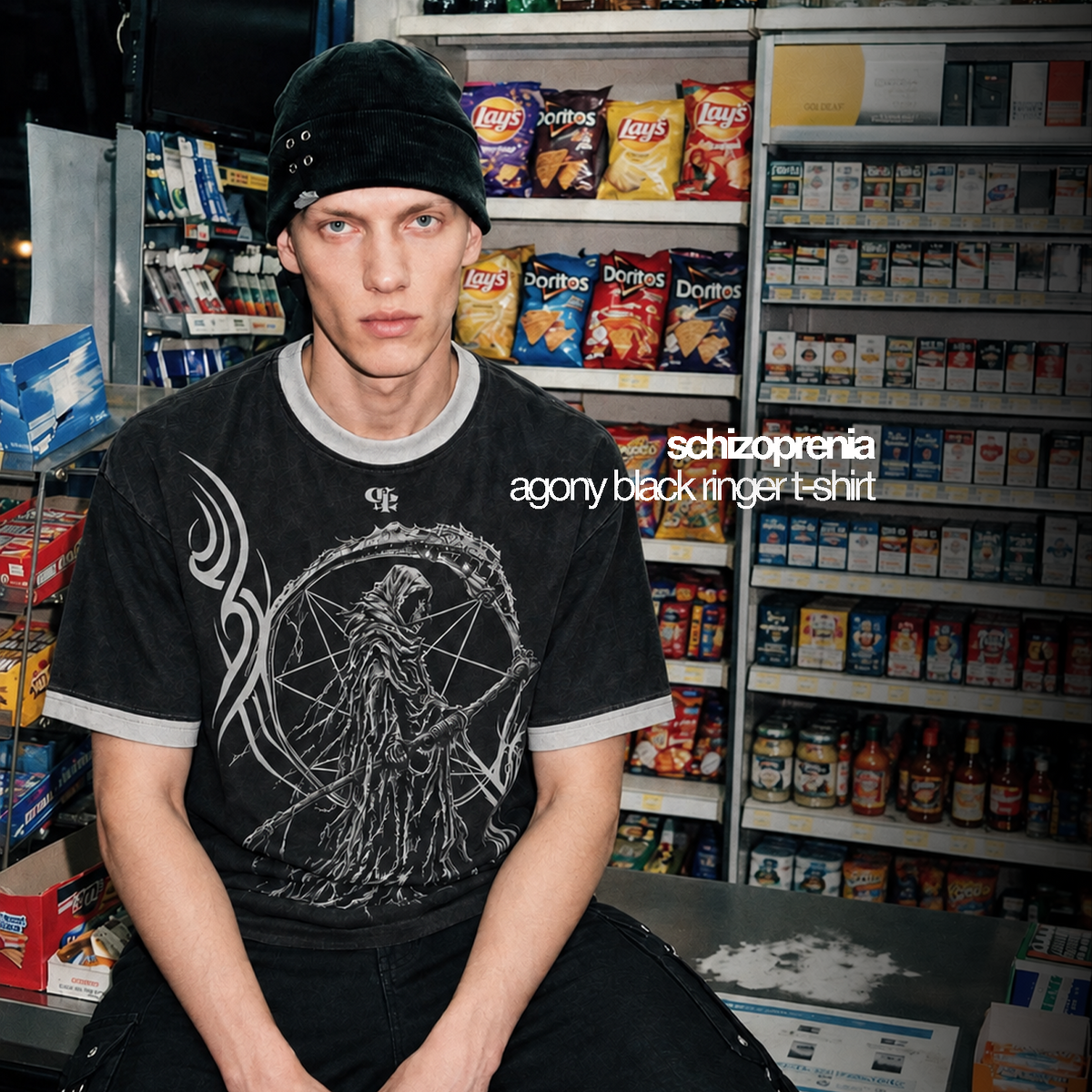
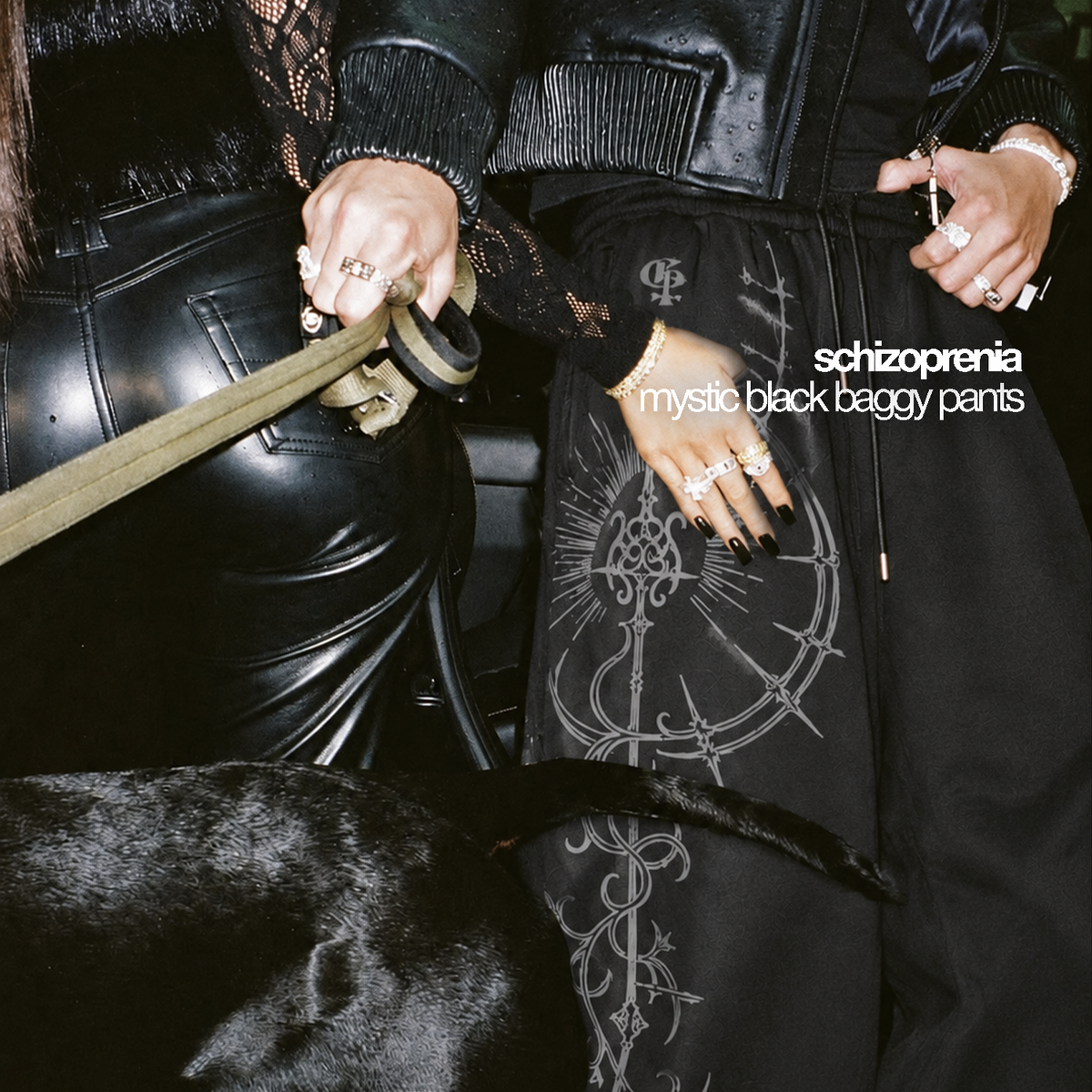
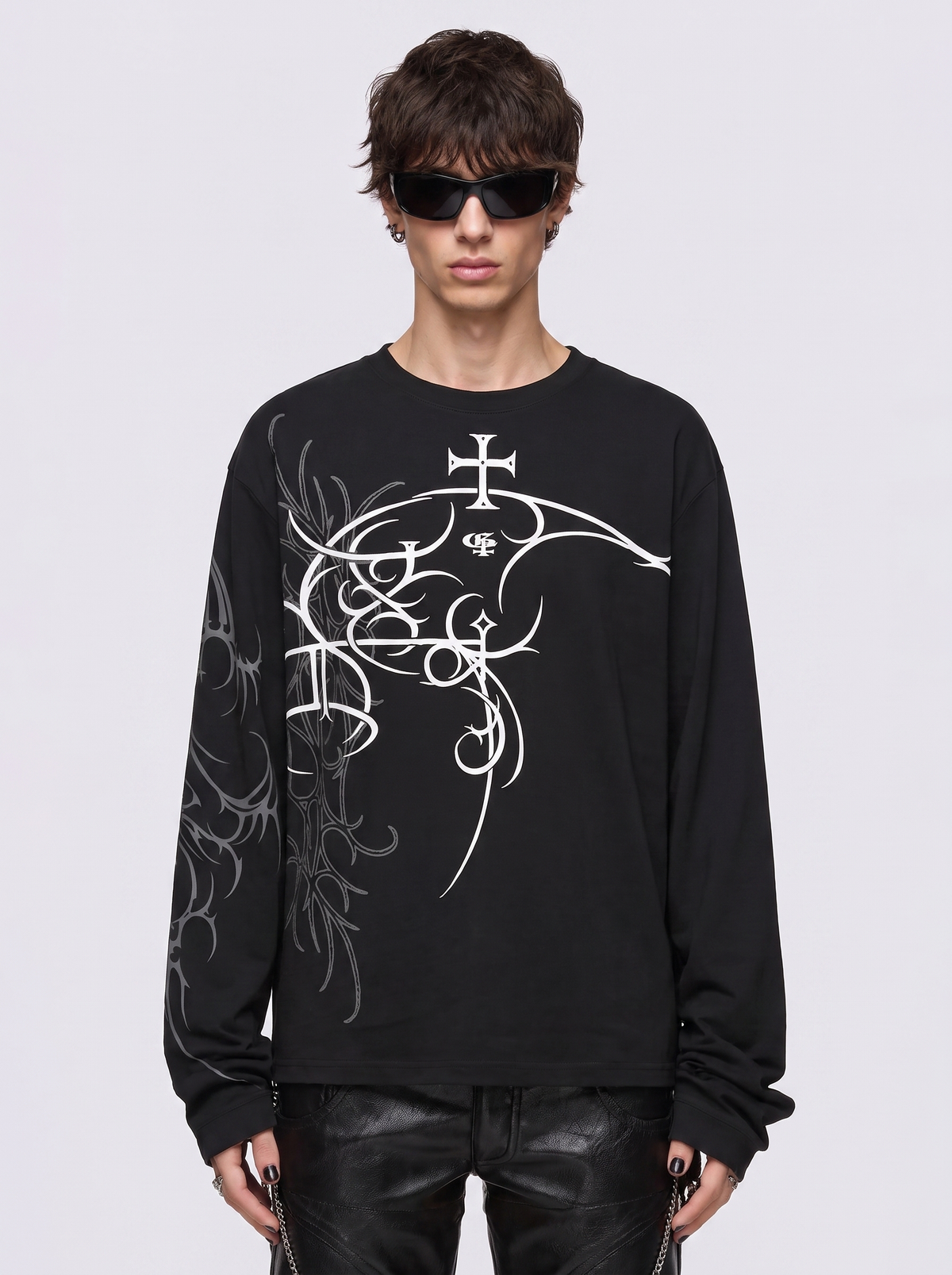
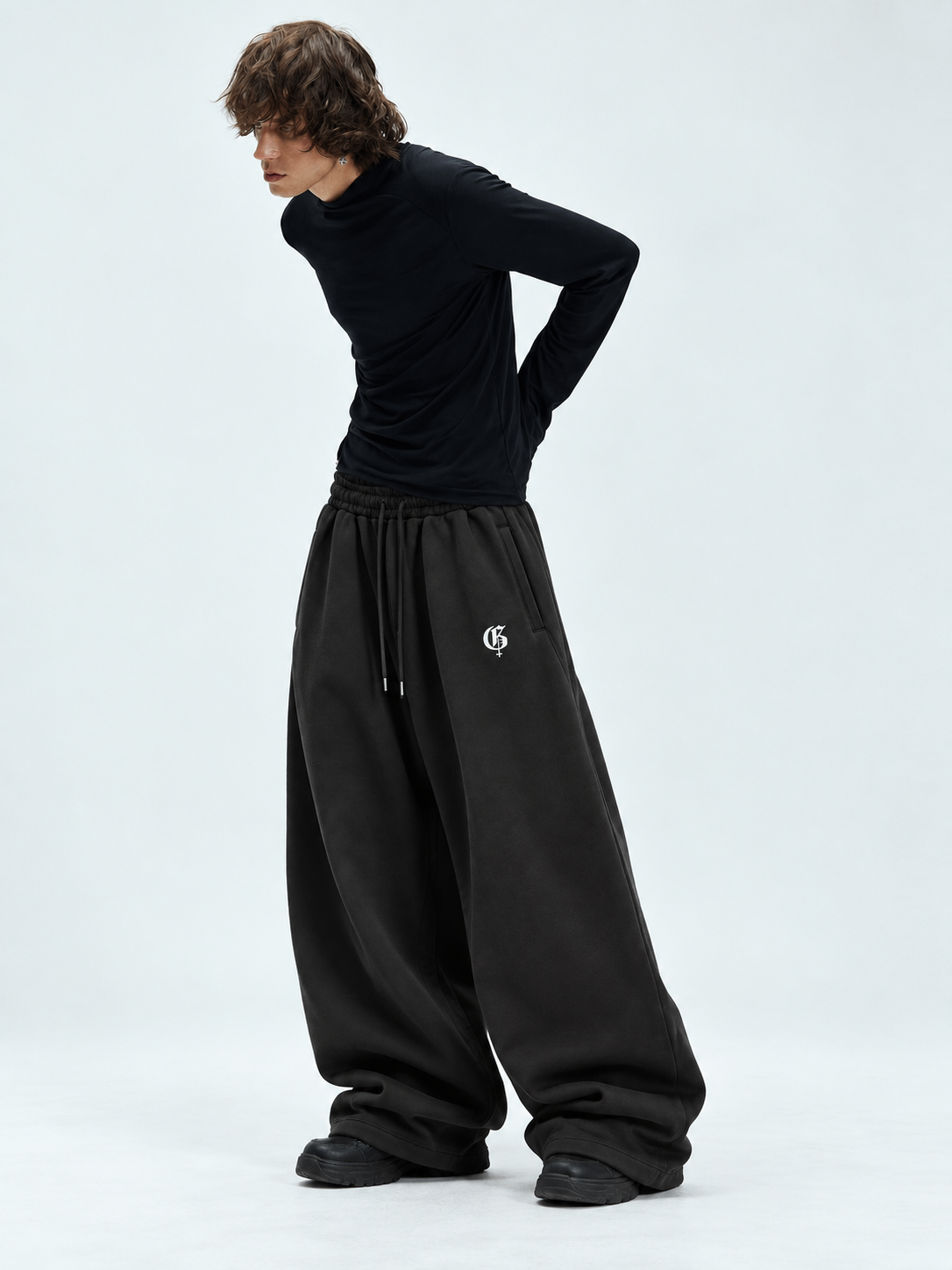
Oversized is obviously the trend now. But WHY? What's changed from previous generations that made loose clothes the standard?
The answer goes deeper than "comfort." It's psychological, generational, and cultural.
The Historical Context: Why This Generation Chose Oversized
Millennial Standard (2000s-2010s): Skinny jeans, tight everything. Fashion said "show your body." Clothing was meant to cling.
Why it changed: Gen Z rejected this. Not because tight clothes are inherently bad, but because the previous generation's standard felt imposed.
Oversized as rebellion: Loose clothes = rejection of the tight-is-beautiful standard. Generational statement through fashion.
Then it stuck: What started as rebellion became comfort. People realized loose clothes actually feel better. Now it's just standard.
The Psychological Reasons
1. Body Autonomy
Gen Z wears oversized partly because it's their choice, not society's mandate. Fits psychological need to control appearance choices.
2. Authenticity Priority
Gen Z values authenticity over appearance. Oversized = "I'm dressing for myself, not for you." Aligns with values.
3. Reduced Scrutiny
Loose clothes hide body details. Reduces feeling of being judged on physical appearance. Psychological relief.
4. Comfort = Confidence
Comfortable clothes = psychological confidence. Gen Z learned tight clothes create physical discomfort = mental stress.
5. Anti-Consumerism Signal
Oversized = can wear same shirt multiple ways, over time. Rejects "need new clothes constantly" consumerism.
6. Mental Health Awareness
Gen Z more open about anxiety, body image issues. Oversized helps people with these concerns dress confidently.
The Generational Shift
Millennials (Gen X influenced): Body-focused fashion. Tight = showing you care about looks. Appearance = identity marker.
Gen Z (Millennial influenced, but reacting against): Comfort-focused fashion. Loose = I prioritize my feelings over external judgment. Authenticity > appearance.
What changed: Not genetics. Generational values shifted from "outer perception matters most" to "inner comfort matters most."
Why it stuck: Because it works psychologically. Loose clothes actually feel better. People aren't going back to tight because it objectively sucks in comparison.
The Social Signal of Oversized
What oversized says about the wearer:
"I prioritize comfort and authenticity over body-focused fashion."
"I'm confident enough to not show off my body."
"I'm part of Gen Z culture."
"I'm casual and unpretentious."
"I don't care about traditional beauty standards."
What tight clothes used to say:
"I work on my body and want it seen."
"I care about current fashion trends."
"I'm formal/professional."
"I'm trying to be attractive."
The shift: From "body as display" to "body as secondary." Clothes = function + identity expression, not body advertisement.
Cultural Factors Beyond Psychology
1. Social Media Reality
Gen Z grew up on social media where appearance is constantly photographed/judged. Loose clothes = escape from scrutiny.
2. Mental Health Conversation
Gen Z more open about anxiety, body dysmorphia. Oversized addresses these directly (less body-focused).
3. Economic Reality
Gen Z poorer than previous generation at same age. Oversized = buy once, wear multiple ways = practical economy.
4. Climate Anxiety
Gen Z anxious about climate. Oversized = buy less frequently = environmental consciousness.
5. Gender Expression Fluidity
Oversized works across genders. Isn't gendered as "masculine" or "feminine." Aligns with Gen Z's gender-fluid approach.
The Styling Evolution
Phase 1 (2015-2018): Oversized was niche. Fashion-forward only. Seen as trend.
Phase 2 (2018-2020): Oversized became mainstream. No longer niche. More people wearing.
Phase 3 (2020-Now): Oversized is baseline. It's not a statement anymore. It's just how people dress casually.
What this means: Oversized has moved from trend → statement → baseline. It's becoming permanent.
Is This Healthy?
Psychological benefits:
-
Reduces appearance-based anxiety
-
Lets people wear what feels good
-
Removes pressure to fit body standards
-
Prioritizes comfort and authenticity
Potential concerns:
-
Some people use oversized to hide/avoid body reality (not healthy)
-
Might mask actual health issues
-
Could reinforce "don't care about appearance" to unhealthy extent
Reality: For most Gen Z, oversized is healthy choice. People finally wearing what feels good instead of what society demands. That's progress.
Frequently Asked Questions
Q: Is oversized just a trend that will die?
A: No. It's a generational value shift, not a trend. Will stick as long as Gen Z is young/influential.
Q: Why do older generations think oversized looks sloppy?
A: They grew up when tight was fashionable. Loose reads as "not trying" to them. Different value systems.
Q: Is oversized the same as lazy dressing?
A


Leave a comment
This site is protected by hCaptcha and the hCaptcha Privacy Policy and Terms of Service apply.