

How to Develop Your Personal Style as an Indian Gen Z Man in 2026
Developing personal style as an Indian Gen Z man requires four steps in order: identify what you naturally gravitate toward (not what's trending), strip your wardrobe of everything that doesn't match that direction, build a focused capsule around 8-12 pieces that work together, and resist trend FOMO for 6-12 months while your style solidifies. Personal style isn't found by following more influencers — it's found by following fewer and trusting your own instincts longer.
The biggest misconception about personal style is that it's something you discover through more research. More fashion accounts followed, more outfit posts saved, more trend videos watched. The opposite is true. Personal style emerges from less input, not more. From paying attention to what you naturally reach for instead of what you think you should wear. From building a focused wardrobe instead of an expansive one. This guide breaks down exactly how to develop genuine personal style as an Indian Gen Z man in 2026 — and why most attempts fail.
Why Most Personal Style Attempts Fail
The standard advice — 'find inspiration on Pinterest, study Instagram accounts you like, identify common themes' — fails for one structural reason. It assumes personal style is something to be assembled from external references. It's not. Personal style is something to be uncovered from internal preferences that already exist but get drowned out by trend noise.
Indian Gen Z men face a specific compounded problem. Western fashion content dominates the algorithm but doesn't translate to Indian climate, body types, or cultural context. Bollywood fashion is often unrelated to actual daily life. The local Indian streetwear scene is exploding but creates intense FOMO to participate in every drop. The result: most Indian Gen Z men accumulate scattered pieces from competing aesthetics and never develop coherent personal style.
The Four-Step Framework
Step 1: Audit What You Naturally Wear (Not What You Own)
Most men own 3-5x more clothes than they actually wear. The pieces you reach for 80% of the time reveal your real preferences — independent of what trends, friends, or Instagram suggest. This is your starting signal.
The audit process: Track every outfit you wear for 14 consecutive days. Take a quick mirror photo before leaving the house each day. After 14 days, review the photos. Look for patterns — colour palettes you repeatedly choose, silhouettes you default to, pieces that appear most often, what you avoid even when it's clean and available.
What you'll discover: You probably wear 6-10 pieces in heavy rotation. Those pieces signal your authentic style direction. Everything else is aspirational purchases, trend FOMO, or pieces that don't fit your real life.
Step 2: Strip Everything That Doesn't Match the Signal
Once you've identified what you actually wear, the harder step: removing what you don't. Most Indian Gen Z men hesitate here because money has been spent on the pieces. But keeping mismatched pieces in your wardrobe makes coherent dressing impossible — you waste time choosing between options that don't work together.
The strip process: For every piece you haven't worn in 60 days, ask one question: does this match the direction my audit revealed? If yes, keep. If no, it goes. Options: gift to friends with different style, donate to charity (Goonj has Mumbai pickup), sell on Cred Mint or Facebook Marketplace.
The mental block to overcome: Pieces aren't wasted when removed — they're freed up to create wardrobe clarity. Keeping pieces that don't match your style means you're paying ongoing cost (closet space, decision fatigue) for past spending.
Step 3: Build a Focused Capsule (8-12 Pieces)
With the wardrobe stripped, rebuild intentionally. The target is 8-12 core pieces that work with each other in multiple combinations. Less than 8 limits outfit variety. More than 12 returns to scattered wardrobe territory.
The composition formula: 2 bottoms (baggy pants in cotton twill — black and one accent colour), 3 tops (one oversized tee in black, one in white/cream, one printed or graphic), 1 layering piece (hoodie or overshirt in your dominant colour palette), 1 statement piece (printed shirt, graphic tee, or piece that defines your aesthetic), 1 sleeveless tee for summer, 1 versatile alternative bottom (shorts or alternative pant cut). Adjust based on your specific audit findings.
The constraint principle: Constraints create style. A wardrobe with infinite options creates decision paralysis. A wardrobe with 10 considered pieces creates a recognizable identity.
Step 4: Resist Trend FOMO for 6-12 Months
This is the step that separates men who develop personal style from men who keep restarting. Trends will emerge during the next 12 months that don't match your wardrobe direction. Resist participating. Personal style requires consistency long enough for it to become recognizable.
The discipline required: Unfollow accounts that consistently make you want to buy pieces outside your direction. Limit shopping browsing to 30 minutes per week (or less). When you see a trend that tempts you, wait 30 days. If you still want the piece after 30 days, evaluate seriously. If you've forgotten about it, the temptation was algorithmic, not real.
The compounding effect: After 6 months of consistency, your style becomes recognisable. After 12 months, friends and acquaintances reference your specific aesthetic. After 24 months, you've developed genuine personal style that doesn't depend on external validation.
How to Identify Your Natural Aesthetic Direction
The Five Questions Method
If the 14-day audit feels unclear, ask these five questions:
• What colours do you reach for most often, ignoring what's currently trending?
• What silhouettes feel natural — fitted, relaxed, oversized, or extremely oversized?
• What materials feel right on your body — cotton, denim, technical, smooth, textured?
• When you imagine wearing the same outfit forever, what does it look like?
• Which 1-2 friends consistently dress in ways you find genuinely interesting?
The answers point toward your aesthetic direction. Most men's answers cluster around one or two clear directions even when they think they're 'open to everything.'
The Common Indian Gen Z Style Directions in 2026
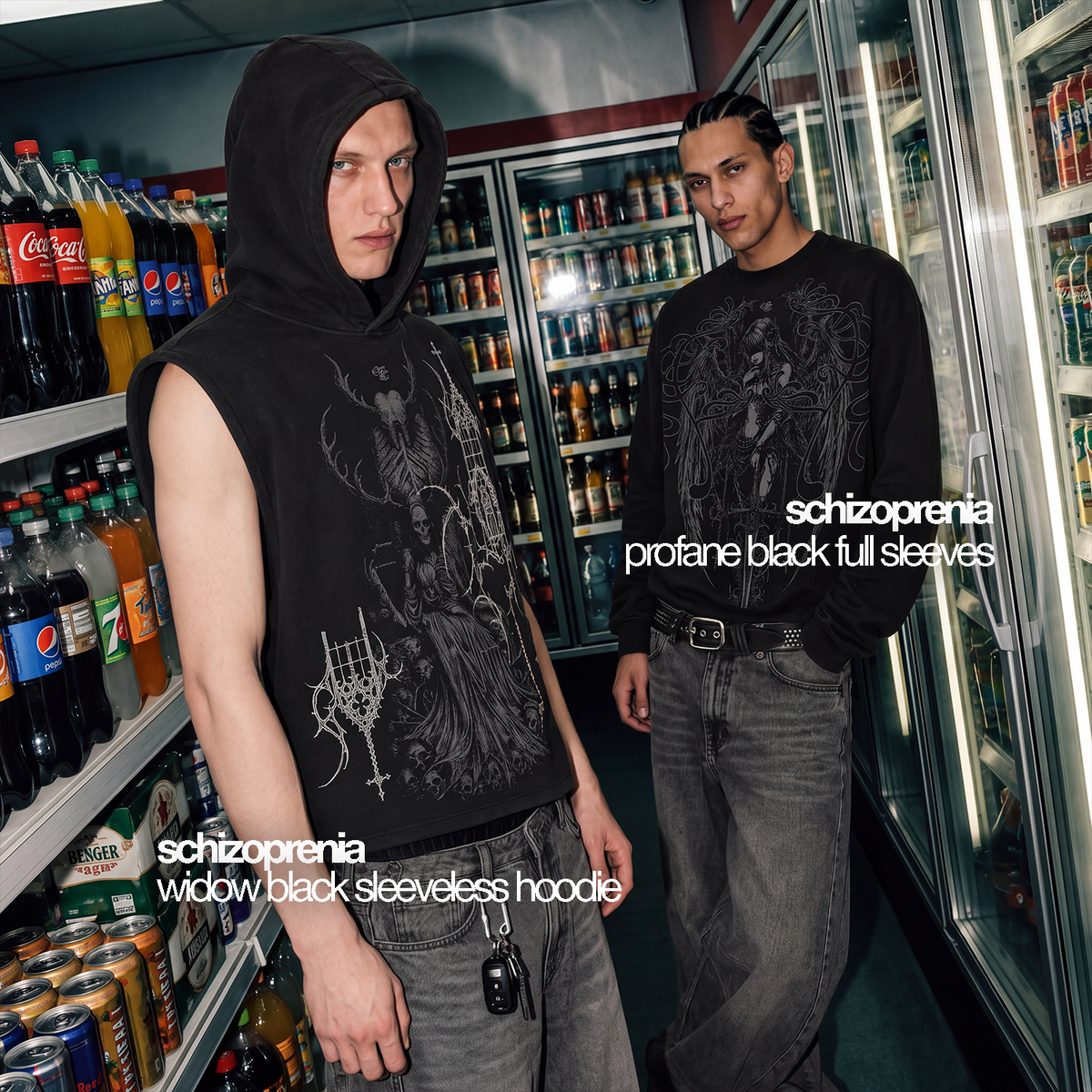
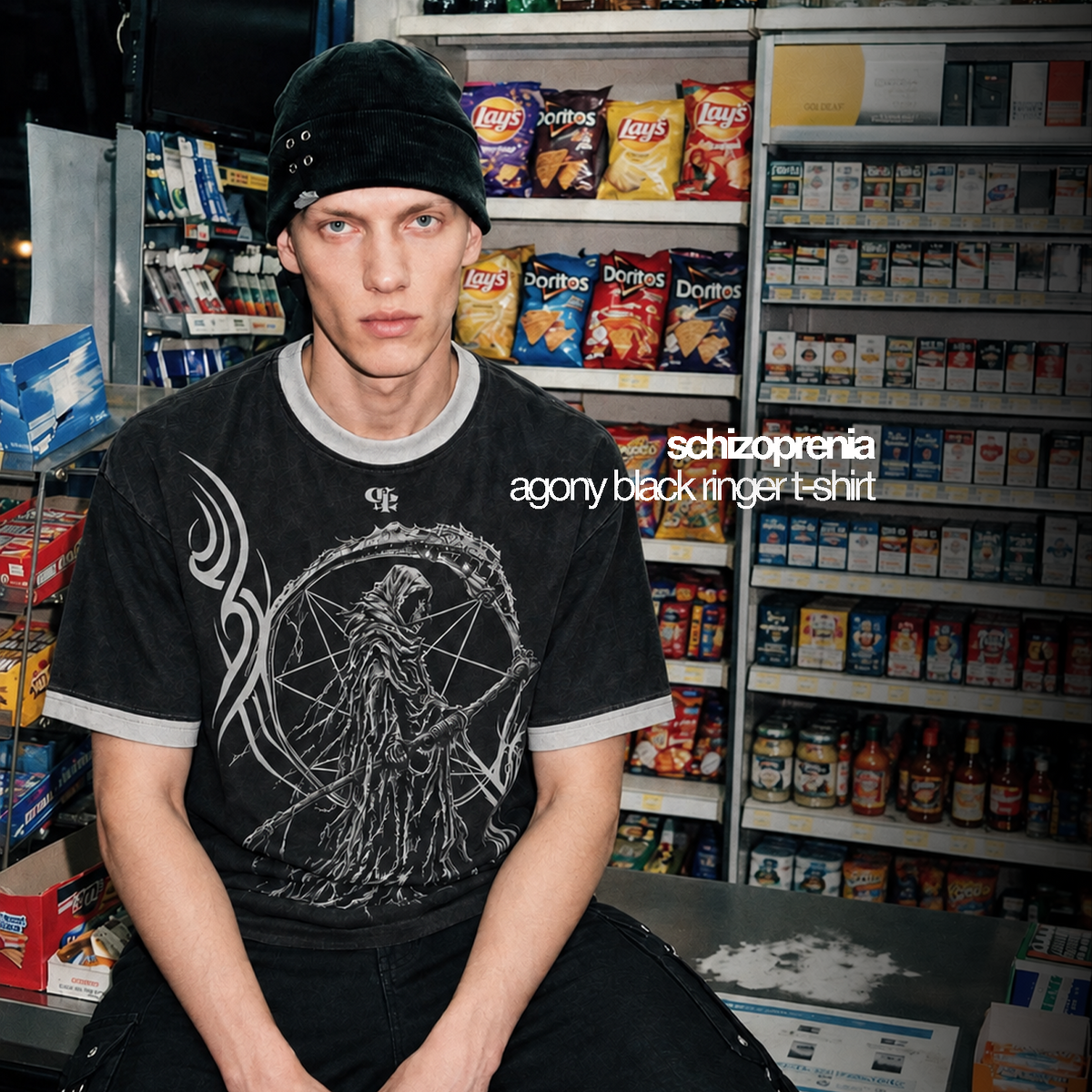
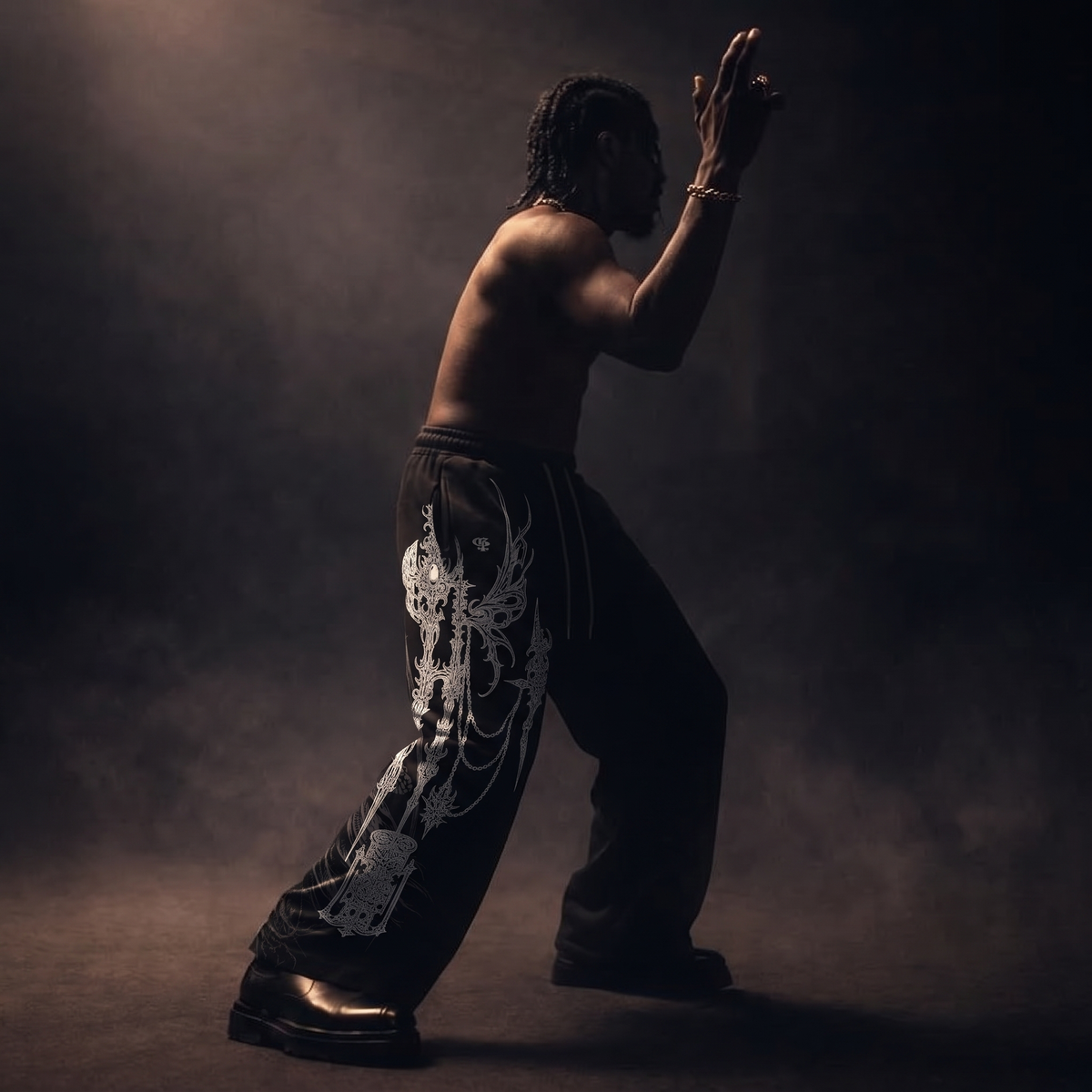
Underground streetwear: Heavy GSM cotton, dark palette, baggy silhouettes, minimal logos, intentional layering. Influenced by Indian gully rap, Korean streetwear, Berlin techno aesthetics.
Minimalist refined: Quiet colours, fitted-but-not-tight silhouettes, premium fabric, no graphics, classic pieces. Influenced by Japanese minimalism, Scandinavian design, quiet luxury movement.
Y2K maximalism: Colour, prints, layered accessories, vintage references, baggy denim, graphic tees. Influenced by 2000s revival, anime culture, hip-hop fashion.
Athleisure-streetwear hybrid: Performance fabrics, gym wear repurposed for street, oversized fits, sneaker-led outfits. Influenced by gym culture, K-pop streetwear, Western athleisure.
Vintage and thrifted: Aged pieces, mixed eras, deliberate non-matching, secondhand sources. Influenced by sustainability movement, anti-fast-fashion culture.
Indo-Western fusion: Indian textiles in modern cuts, kurtas with streetwear bottoms, mojaris with jeans. Influenced by emerging Indian designer scene, conscious cultural reclamation.
The Mistakes Indian Gen Z Men Make
• Copying full outfits from specific influencers — the look works on them, not you, because their body type, height, and overall aesthetic differ from yours
• Owning too many statement pieces that don't combine — each piece is fine individually, but they don't create coherent outfits
• Buying for events instead of for life — wardrobes built for hypothetical occasions instead of actual daily wear
• Following too many fashion accounts — algorithm noise drowns out authentic preferences
• Chasing every drop from every brand — accumulating scattered pieces from competing aesthetics
• Trying to look 'different' instead of looking like yourself — different is a side effect of authentic, not a goal in itself
• Switching directions every 3-6 months — style needs consistency to compound into recognisable identity
• Buying expensive pieces before understanding what you actually wear — expensive mistakes hurt more than cheap experiments
How Long It Takes to Develop Real Personal Style
Months 1-3: Audit and strip phase. Wardrobe becomes smaller but clearer. Friends might comment that you're 'wearing the same things lately' — this is the desired effect, not a problem.
Months 4-6: Capsule consolidation. Replace stripped pieces with intentional choices. Style starts feeling more comfortable and faster to choose.
Months 6-12: Style recognition emerges. You stop second-guessing outfit choices. Friends start describing you with style-specific language ('he always wears black,' 'his style is so Korean,' 'he's really into vintage'). This is the sign style is solidifying.
Months 12-24: Personal style established. You can buy with confidence because you know what fits your aesthetic. You stop chasing every trend because most don't match your direction. Other people start asking you for style advice.
Year 2+: Style refinement rather than style search. You make smaller adjustments and additions rather than wholesale changes. Personal style becomes a foundation rather than a project.
Why This Matters Beyond Clothes
Personal style in clothing reflects something deeper — comfort with your own preferences over external approval. Men who develop coherent personal style typically also develop clearer preferences in music, food, environments, and social circles. The skill compounds across life domains.
Conversely, men who never develop personal style often struggle with related decisions — choice paralysis when shopping, anxiety about wearing the 'wrong' thing, constant low-grade comparison to others' style. Developing personal style isn't just about looking better. It's about reducing daily mental load on appearance and freeing energy for things that matter more.
How GENRAGE Approaches Personal Style
GENRAGE designs for the underground streetwear direction specifically — heavy GSM cotton, dark palette, baggy silhouettes, drop-shoulder construction, minimal logo visibility. The brand isn't trying to be all things to all buyers. This focused aesthetic identity is itself a model for personal style — clarity through commitment to a direction, depth over breadth, consistency over trend-chasing.
If the GENRAGE direction matches your audit findings, the brand's catalogue supports building your capsule. If it doesn't match your direction, you should be buying elsewhere — and that's the right answer for both you and us. Personal style requires buying from brands whose aesthetic genuinely matches yours, not from brands you feel pressure to wear.
Frequently Asked Questions
How do I find my personal style as a man?
Four-step process: audit what you actually wear for 14 days (revealing your real preferences), strip your wardrobe of everything that doesn't match the signal, build a focused capsule of 8-12 pieces that work together, and resist trend FOMO for 6-12 months while your style solidifies. Personal style is uncovered through subtraction and consistency, not added through more research.
How long does it take to develop personal style?
6-12 months to develop recognizable personal style. 12-24 months for it to feel established. 2+ years for true refinement. The timeline depends primarily on discipline — how consistently you stick with your direction rather than restarting every few months when new trends emerge. Most men who never develop personal style restart their approach every 3-6 months.
Should I follow fashion influencers to find my style?
Follow fewer, not more. The standard advice (follow more accounts, find common themes) creates algorithmic noise that drowns out authentic preferences. Better approach: follow 5-10 accounts whose specific direction you genuinely connect with, then unfollow everything else for 3 months. The signal becomes much clearer when noise reduces.
How many pieces should I have in my wardrobe?
8-12 core pieces for a focused capsule that creates 25-40 outfits through combination. Most Indian Gen Z men own 30-60 pieces and wear only 6-10 regularly. Reducing the wardrobe to the pieces you actually wear, then rebuilding intentionally around those, creates more outfit options than a larger scattered wardrobe.
What if I don't have a single style I gravitate toward?
Most men think this initially because they haven't done a real 14-day audit. Tracking what you actually wear (versus what you own or aspire to wear) reveals patterns that aren't visible in the abstract. If after 14 days of tracking the audit still feels unclear, you likely have 2-3 directions you're comfortable in — choose the one that fits your daily life best and commit to it for 6 months.
How do I dress differently from everyone else without trying too hard?
Don't aim for 'different' — aim for 'authentic.' Different is the side effect of dressing in alignment with your actual preferences rather than current trends. When you wear what genuinely fits your aesthetic and resist trend FOMO, you'll naturally look different from people who chase every trend. Trying to be different directly produces try-hard energy. Trying to be authentic produces genuine differentiation.
Less input. Stronger preferences. Longer commitment. Real style emerges.
,%20strip%20your%20wardrobe%20of%20everything%20that%20doesn't%20mat...)
Leave a comment
This site is protected by hCaptcha and the hCaptcha Privacy Policy and Terms of Service apply.