


Streetwear for Indian Winter: Delhi, Punjab and North India Layering Guide
North Indian winter (December-February) hits 5-15°C in Delhi and Punjab, demanding real layered streetwear most Indian men get wrong. The system: thermal or merino base layer, premium heavyweight cotton tee, hoodie or sweatshirt 320+ GSM, outer jacket (bomber, technical, or wool overshirt), baggy pants in heavyweight cotton, boots or chunky sneakers, beanie. Pack monochrome - layered streetwear looks intentional only when the palette is unified. Skip thin urban streetwear that fails below 12°C.
North Indian winter is the most underestimated streetwear challenge in India. Delhi sees 5-7°C mornings in January. Punjab drops below 5°C overnight. Most Indian streetwear is built for moderate climates - the same baggy pants and oversized tees that work brilliantly from March to November fail when temperatures actually drop. The result: thousands of Delhi and Punjab men retreating to ill-fitting sweaters and shapeless jackets every winter, losing the silhouette they spent the rest of the year building.
This guide is the layering system that solves the problem - real streetwear that handles real North Indian winter without compromising on silhouette or identity. Most of what passes for 'winter streetwear' in India is actually mild-season streetwear with one extra layer. This is the proper system.
Why North Indian Winter Requires Different Streetwear
North Indian winter has specific challenges other Indian climates do not face. Temperatures drop below 10°C for sustained periods (not just morning chill). Dry cold compounds with smog and pollution to create harsh outdoor conditions. Indoor heating is rare in residential buildings (unlike Western climates), so even staying inside requires layered warmth. The streetwear approach needs to handle outdoor cold, sustained indoor moderate temperatures, and the constant indoor-outdoor transitions Indian winter daily life demands.
The other complication: most Indian men do not own genuinely warm clothing because most of India does not need it. Delhi winter catches buyers off-guard who relocated from warmer cities or who simply did not build proper winter pieces during warmer months. The shopping rush in November-December for winter pieces inflates prices and forces compromises.
The Four-Layer Indian Winter Streetwear System
Layer 1: Base (Thermal or Merino, Worn Against Skin)
The base layer regulates thermal comfort throughout the day. North Indian winter base layers are non-negotiable below 10°C. Best options: merino wool t-shirts (premium choice - regulates temperature both ways), thermal cotton long-sleeve base layers (budget option, less versatile), heat-tech style synthetic base layers (Uniqlo-style, excellent thermal performance but not the most refined fabric).
Recommended pieces: Merino wool t-shirt in black or cream, premium thermal cotton long-sleeve in dark colour, Uniqlo Heattech if budget-constrained. Should be thin enough to disappear under other layers.
Layer 2: Premium Heavyweight Cotton Tee
The visible base of the streetwear outfit. Premium 240+ GSM cotton tees serve as the foundation layer that other pieces build upon. The fabric weight adds modest insulation while maintaining the streetwear silhouette. Drop-shoulder construction works with overlayer outerwear.
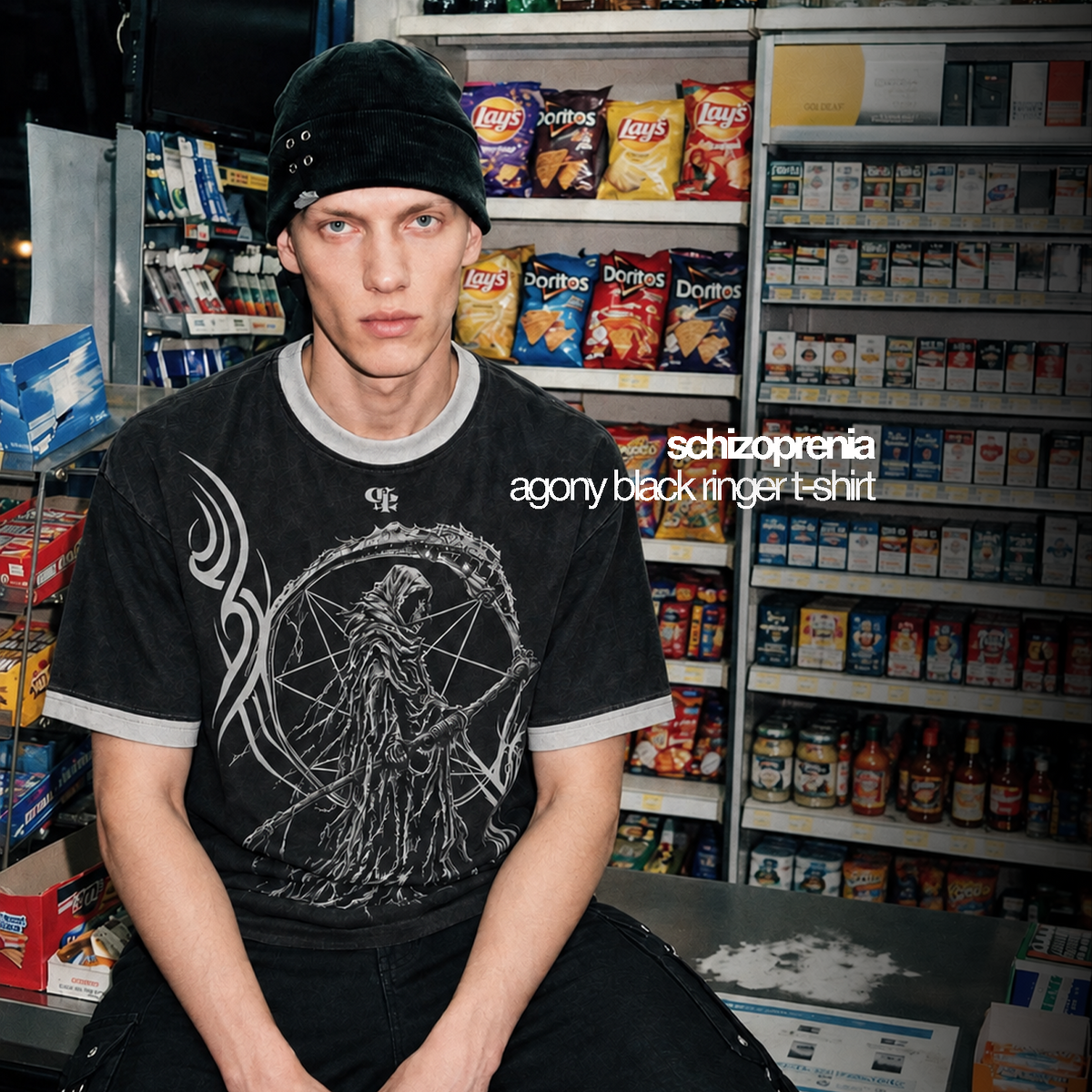
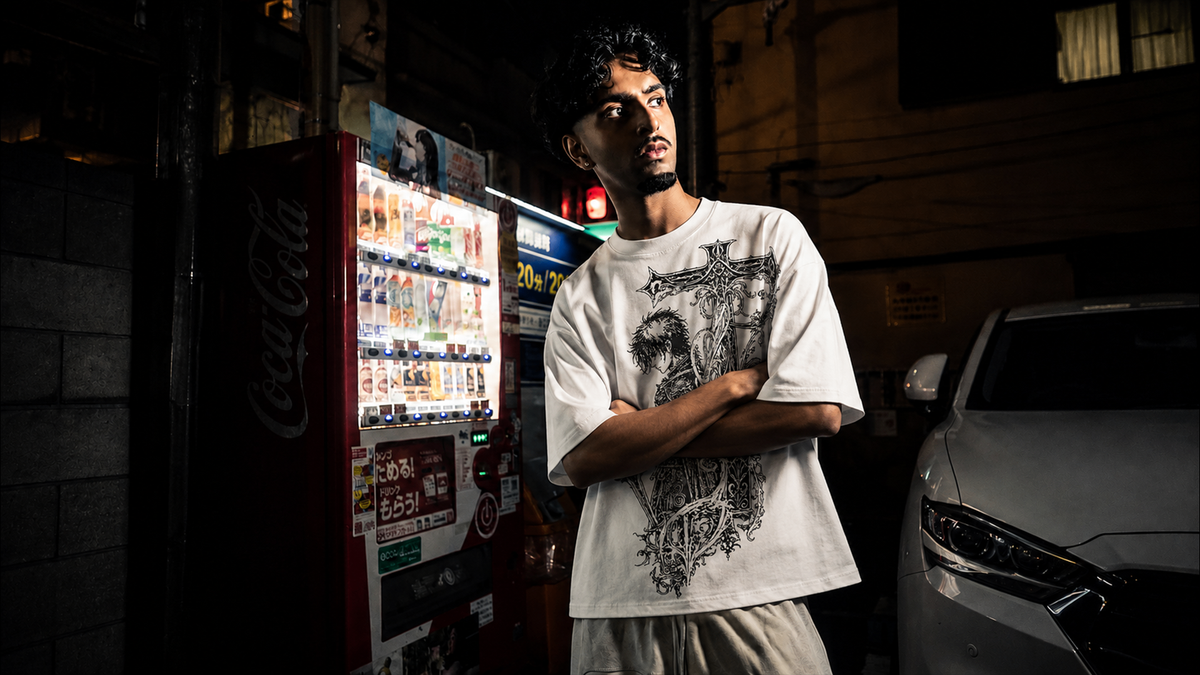
Recommended pieces: GENRAGE oversized tees at 240 GSM cotton in black, charcoal, cream, or olive. Boxy oversized cut for layering room. Avoid fitted tees - they constrict thermal base layers underneath.
Layer 3: Heavyweight Hoodie or Sweatshirt (320+ GSM)
The insulation engine. North Indian winter demands genuinely heavy hoodies - 320-380 GSM French terry or fleece-lined cotton. Lighter hoodies (200-250 GSM common in casual streetwear) fail at sustained sub-10°C exposure. The hoodie should fit oversized to layer cleanly over the tee while providing room for the outer layer.
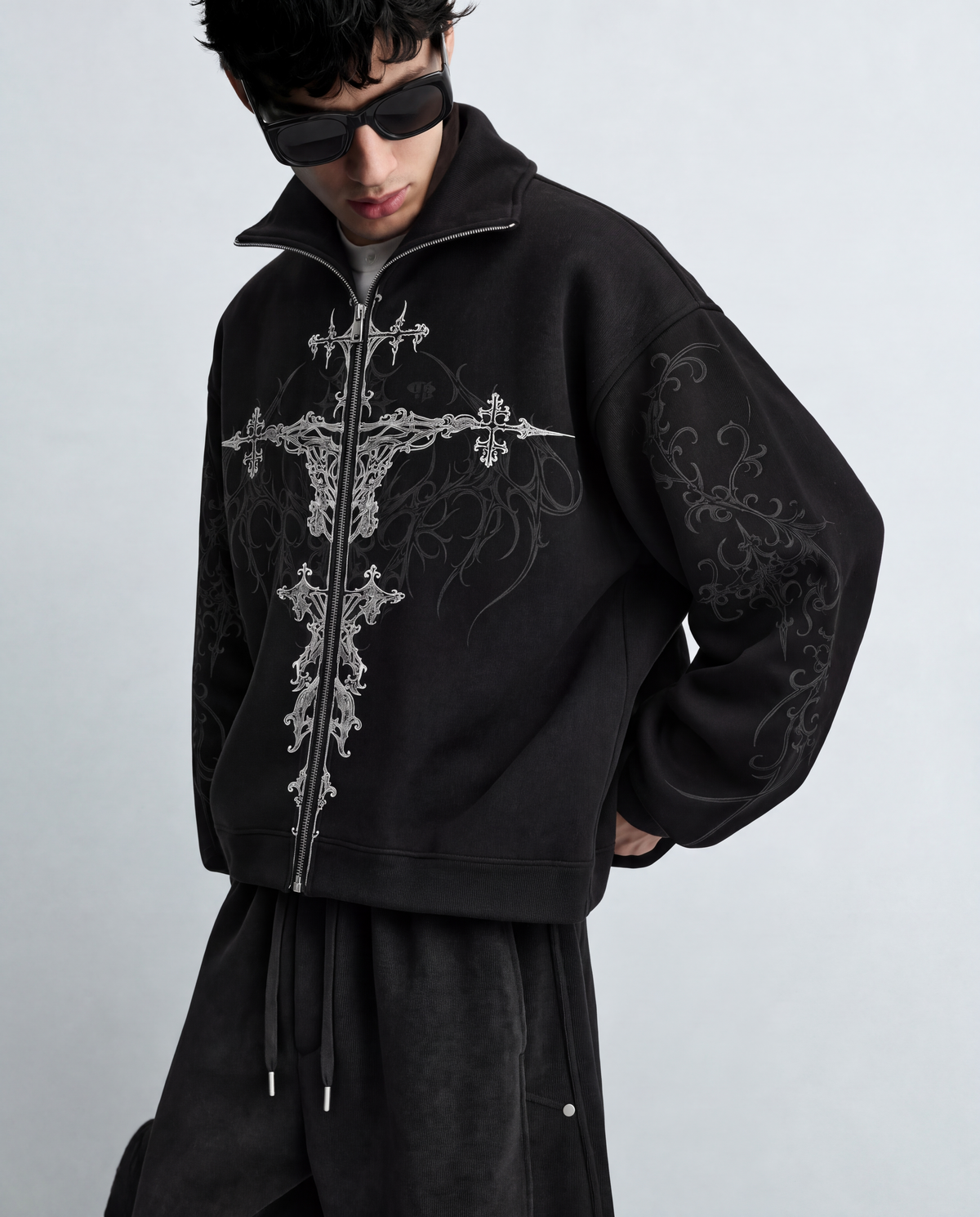
Recommended pieces: Genrage black or charcoal hoodie at 320+ GSM, drop-shoulder construction, with kangaroo pocket. Zip-up versions provide more layering flexibility than pullovers.
Layer 4: Outer (Structured Jacket or Heavy Overshirt)
The weather barrier. North Indian winter outer layers handle wind, dry cold, and occasional rain. Options: bomber jackets (versatile streetwear-coded), padded technical jackets (warmest, most function-forward), wool or heavy cotton overshirts (most refined), denim or leather jackets (best aesthetics, moderate warmth).
Recommended pieces: Bomber jacket in black or olive, padded technical jacket for coldest days, wool overshirt for refined contexts. Length ending at hip for streetwear silhouette - longer interferes with the layered look.
Pants and Footwear for North Indian Winter
Pants Strategy
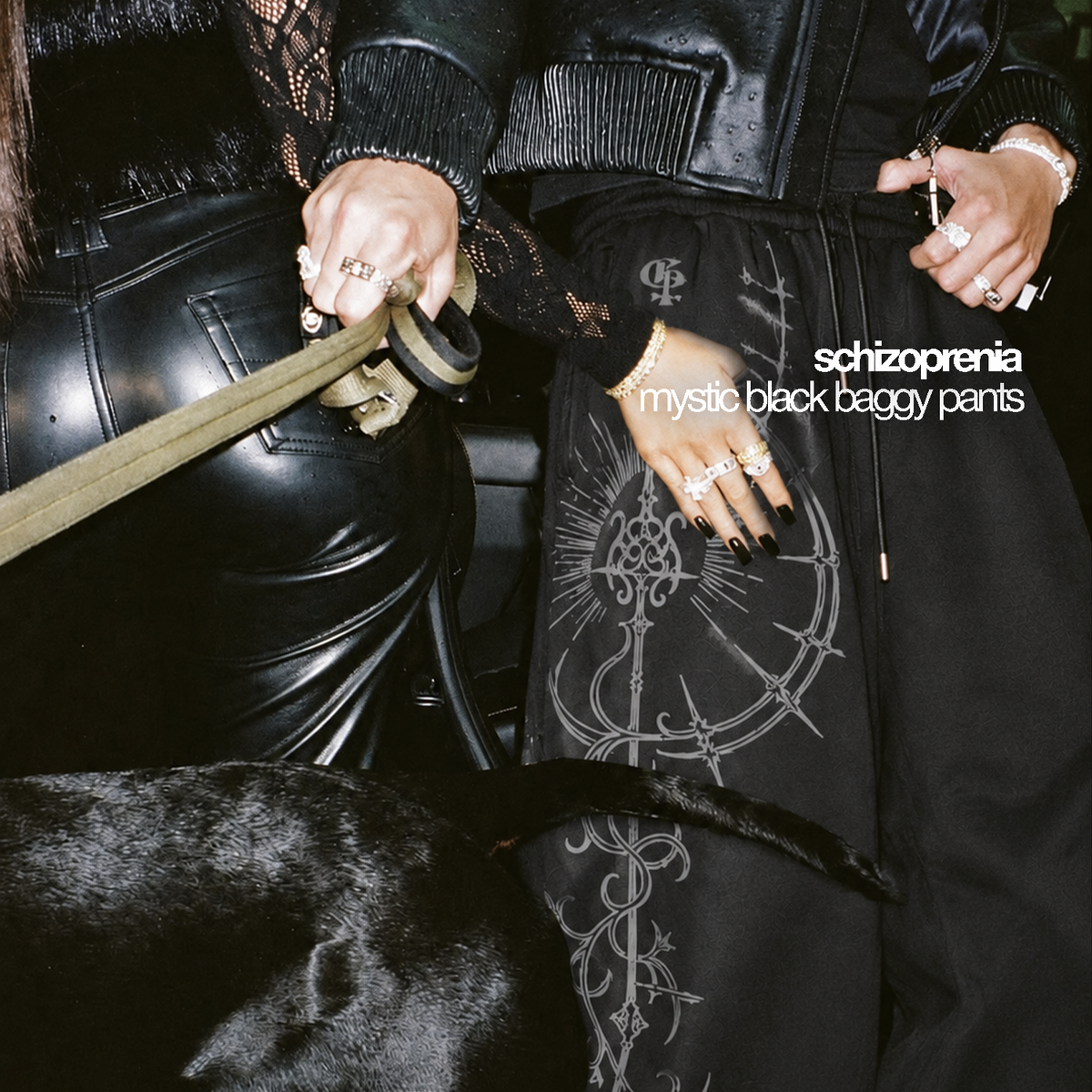
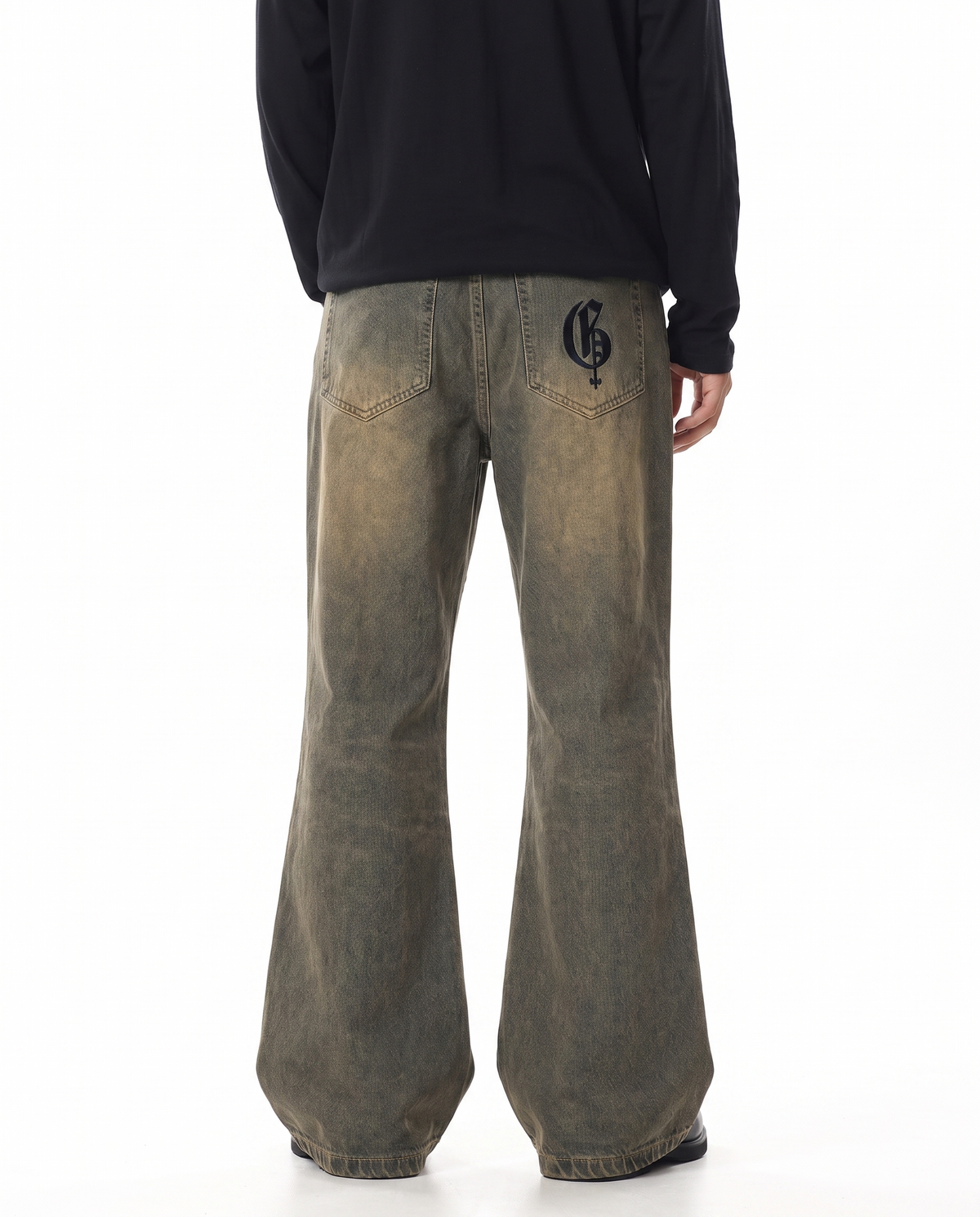
Heavyweight cotton baggy pants (280-300 GSM) provide the foundation. The baggy fit accommodates thermal base layers underneath when temperatures drop. Heavier weights work well in winter that overheat in summer. Wool blend trousers add genuine winter-appropriate warmth for refined contexts. Raw denim works for streetwear winter aesthetic but takes longer to dry if it gets wet from rain or snow.
Best winter pant options: Genrage baggy pants (300+ GSM), corduroy baggy pants (winter-specific texture and warmth), wool blend trousers (refined alternative), heavy raw denim baggy fits.
Avoid: Lightweight cotton (220-240 GSM works for everywhere but adds no winter warmth), pure linen, technical synthetic pants (no warmth at all).
Footwear Strategy
Winter footwear handles temperature, occasional wet streets, and the dust and dirt North Indian winters bring. Boots are the obvious winter choice - leather boots, combat boots, hiking boots all work depending on aesthetic. Chunky sneakers work in moderate Delhi winter (8-15°C) but fail in colder Punjab winter or wet conditions.
Best winter footwear options: Black leather boots (combat or chukka style), chunky sneakers in dark colours (Salomon, New Balance 990, Nike Air Force 1), hiking boots for outdoor-heavy days.
Avoid: Canvas sneakers (no insulation, fail in wet conditions), light-coloured sneakers (collect winter dust and dirt fast), loafers and dress shoes (insufficient insulation for sustained outdoor exposure).
North Indian Winter Outfit Formulas
The Delhi Mild Winter Day (12-18°C)
Premium tee + black hoodie + black baggy pants + chunky sneakers + small accessories. The 320 GSM hoodie alone handles 12-18°C without requiring outer jacket layer. Add a beanie for early mornings.
The Delhi Cold Day (5-12°C)
Thermal base layer + cream oversized tee + black hoodie + olive bomber jacket + black baggy pants + leather boots + beanie + scarf. Full four-layer system, all visible streetwear pieces working together.
The Punjab Deep Cold Day (Below 5°C)
Merino base layer + premium tee + heavyweight hoodie + padded technical jacket + thermal-lined or wool baggy pants + boots + beanie + gloves + scarf. Maximum insulation. Layering becomes function-first over aesthetics-first.
The Refined Winter Evening (Dinner, Bar)
Premium fitted tee or oversized tee + heavyweight hoodie + wool overshirt or structured jacket + dark baggy pants + leather boots + minimal accessories. More refined than the streetwear-forward daytime outfit, appropriate for restaurant or bar contexts.
The Punjab Winter Wedding (Smart-Casual)
Premium tee + zip-up hoodie + structured wool blazer + dark refined trousers + leather shoes + minimal accessories. Wool blazer over hoodie creates the smart-casual streetwear that modern Punjab wedding contexts increasingly accept.
The Smoggy Day Layered Look
Thermal base + dark oversized tee + black hoodie + padded technical jacket + black baggy pants + boots + mask. Smog protection becomes part of the outfit. Dark palette hides pollution dust accumulation through the day.
The Layering Mistakes Indian Men Make
• Wearing thin streetwear with one extra layer and expecting winter warmth - the entire system needs to upgrade, not just one piece
• Mismatched colour palette across layers - black tee, blue hoodie, brown jacket reads chaotic; matching tonal palette reads intentional
• Outer jacket too short for the inner hoodie - hoodie hem visible below jacket looks wrong
• Skipping the base layer to save layers - base thermal is the most-overlooked but highest-impact winter piece
• Buying winter pieces in November when prices peak - plan winter wardrobe in September-October when stock is fresh and discounts apply
• Choosing thin urban hoodies labeled 'winter wear' - actual winter hoodies are 320+ GSM, not 200 GSM
• Mixing seasonal pieces (linen jacket with heavy wool overshirt) creates aesthetic confusion
The North Indian Winter Capsule (10 Pieces)
For Delhi, Punjab, Chandigarh, Lucknow December-February:
• 2 thermal or merino base layers (alternate days)
• 2 premium oversized tees in heavyweight cotton (black and one accent colour)
• 2 heavyweight hoodies (one black, one neutral - cream/charcoal/olive)
• 1 outer layer (bomber or technical jacket, depending on cold severity)
• 1 refined outer option (wool overshirt for smart-casual contexts)
• 2 baggy pants (one heavyweight cotton 300 GSM, one wool blend or corduroy)
• 2 pairs winter footwear (leather boots + chunky winter sneakers)
• Accessories: 2 beanies, 1 scarf, 1 pair of gloves, 1 hooded scarf for smog days
How to Build the Winter Wardrobe (Timing and Strategy)
• September: Buy your foundation pieces (thermal base layers, heavyweight tees, hoodies) before peak season demand
• October: Add the outer jacket and finalize the system before temperatures drop
• November-December: Most expensive month to buy. Avoid major purchases unless absolutely necessary
• January: End-of-winter discounts on remaining inventory. Buy pieces for next year if possible
• February: Best discounts. Plan replacements for following winter at this point
How GENRAGE Pieces Work for North Indian Winter
GENRAGE produces several pieces that handle North Indian winter directly. The heavyweight hoodies at 320+ GSM French terry provide the genuine winter insulation Delhi and Punjab climates require. The premium tees at 240 GSM cotton work as the foundation layer the system builds upon. The baggy pants in heavyweight cotton 300+ GSM accommodate thermal layers underneath while maintaining the streetwear silhouette winter often loses. The dark-dominant palette (black, charcoal, deep olive) creates the unified tonal foundation that layered streetwear demands - mismatched colour palettes ruin layered looks regardless of piece quality.
Frequently Asked Questions
What should I wear in Delhi winter?
Delhi winter (December-February, 5-15°C) requires the full four-layer streetwear system. Thermal or merino base layer, premium heavyweight cotton tee, hoodie at 320+ GSM, outer jacket (bomber or technical), heavy baggy pants, leather boots, beanie. The exact configuration depends on the day's temperature - mild Delhi days (12-18°C) can skip the outer jacket; cold days (5-12°C) require all four layers. Skip thin urban streetwear which fails below 12°C.
What is the best fabric for Indian winter streetwear?
Heavyweight cotton (280+ GSM) for hoodies and outer tees, wool blends for refined outerwear and pants, French terry or fleece-lined cotton for insulation layers, merino wool for thermal base layers. Avoid lightweight cotton, pure linen, and technical synthetic fabrics as primary winter pieces. Layer natural fabrics together for maximum thermal performance and refined aesthetics.
Do I need a thermal base layer for Delhi winter?
Below 10°C, yes - the base layer is the highest-impact winter piece most Indian men skip. Without a thermal base, your premium tee and hoodie absorb sweat directly, cooling you uncomfortably as the day progresses. Merino wool tees provide the best base layer (thin, regulates temperature both ways, premium aesthetic). Thermal cotton long-sleeves work as budget alternative. Uniqlo Heattech provides excellent function at moderate price points.
Can I wear baggy pants in winter?
Yes - heavyweight cotton baggy pants (300 GSM) work brilliantly in North Indian winter. The looser fit accommodates thermal base layers underneath when temperatures drop. The heavier fabric provides modest insulation that lightweight summer pants do not. Corduroy baggy pants add winter-specific texture and additional warmth. Wool blend trousers serve refined contexts. Avoid lightweight cotton (no warmth) and pure linen (wrong climate).
How do I layer for Indian winter without looking bulky?
Three rules eliminate the bulk problem. First, choose oversized but boxy cuts - they accommodate layers without piling fabric. Second, use thin technical or merino base layers rather than thick thermals. Third, maintain unified tonal palette across all layers - mismatched colours read chaotic regardless of fit. The bulk problem comes from too-tight base layers forcing other layers wider, or from chaotic palettes creating visual mass.
What shoes should I wear in Delhi winter?
Leather boots (combat, chukka, or work boot style), chunky sneakers in dark colours (Salomon, New Balance 990, Nike AF1), or hiking boots for outdoor-heavy days. The shoes need insulation (canvas fails), grip (loafers and dress shoes slide), and dust-resistance (light colours collect winter dirt). Best universal option: black leather combat boots that work across casual streetwear, refined contexts, and outdoor wear.
Four layers. Heavy fabrics. Boots and beanie. Monochrome palette. Real winter, real streetwear.
%20hits%205-15%C2%B0C%20in%20Delhi%20and%20Punjab,%20demanding%20real%20layered%20streetwear%20most%20Indian%20men%20get%20wrong.%20The%20system:%20thermal%20or%20merino%20base%20layer,%20premium%20heavyweight%20c...)
Leave a comment
This site is protected by hCaptcha and the hCaptcha Privacy Policy and Terms of Service apply.