

Indian Men's International Travel Outfit Guide: Airport to Destination
Indian men's international travel outfit strategy works in two phases - the airport-to-flight system (comfort, layers, security-friendly) and the destination system (climate-appropriate, photo-ready, versatile). The airport core: dark baggy pants, premium tee, layered hoodie or zip-up, comfortable sneakers. Destination layer adapts: lightweight cotton for Bali/Bangkok tropical heat, smart-casual layered for Dubai luxury contexts, refined streetwear for Tokyo's elevated aesthetic. Pack 8-10 versatile pieces that combine across both phases.
International travel outfit planning fails most Indian men in one specific way - the airport outfit and the destination outfit are planned as separate problems. The airport pieces sit in a duffel for 5 days. The destination pieces require their own packing logic. The result is overpacking, wrinkled outfits, and outfit photos that look like you tried too hard.
The right approach is a unified travel wardrobe where the airport outfit becomes your day-one destination outfit (with minor adjustments) and where every destination piece could theoretically work for the return flight. This guide breaks down the unified system for the four most-visited international destinations by Indian Gen Z men - Bali, Bangkok, Dubai, Tokyo - plus the universal airport outfit logic that applies to all long-haul flights.
Phase 1: The Airport Outfit System
Why Airport Outfits Matter More Than Most Men Think
Airport outfit decisions affect three things: comfort during 8-15 hour flights, security checkpoint speed, and the unavoidable arrival photo your friends or family will take when you land. The right airport outfit handles all three. The wrong one creates flight discomfort, slows security (belts, complicated layers), and produces unflattering arrival shots that haunt your camera roll.
The Five Airport Outfit Specs
Drawstring or elastic waist: Hard waistbands restrict during 10+ hour flights as your body swells from pressure changes and salt-heavy airline food. Drawstring or elastic baggy pants are dramatically more comfortable.
Cotton-blend or technical fabric: Pure cotton wrinkles aggressively after 6+ hours of sitting. Cotton-polyester blends (80/20 or 70/30) significantly reduce wrinkles. For long-haul flights, blend or technical fabric over pure cotton.
Layered system: Cabin AC ranges from icy to mild. Outer layer (zip-up hoodie or unbuttoned shirt) you can remove easily. Mid-layer (premium tee or lightweight long-sleeve) handles boarding heat at Indian airports.
Security-friendly: Slip-on or easily-removable shoes (boots and lace-up sneakers slow you down). No complicated belt buckles. No excessive metal accessories. Keep the security walkthrough fast.
Dark colour palette: Hides 14-hour wear marks, spilled coffee, and flight wrinkles better than light colours. Photographs better in airport lighting too.
The Universal Airport Outfit Formula
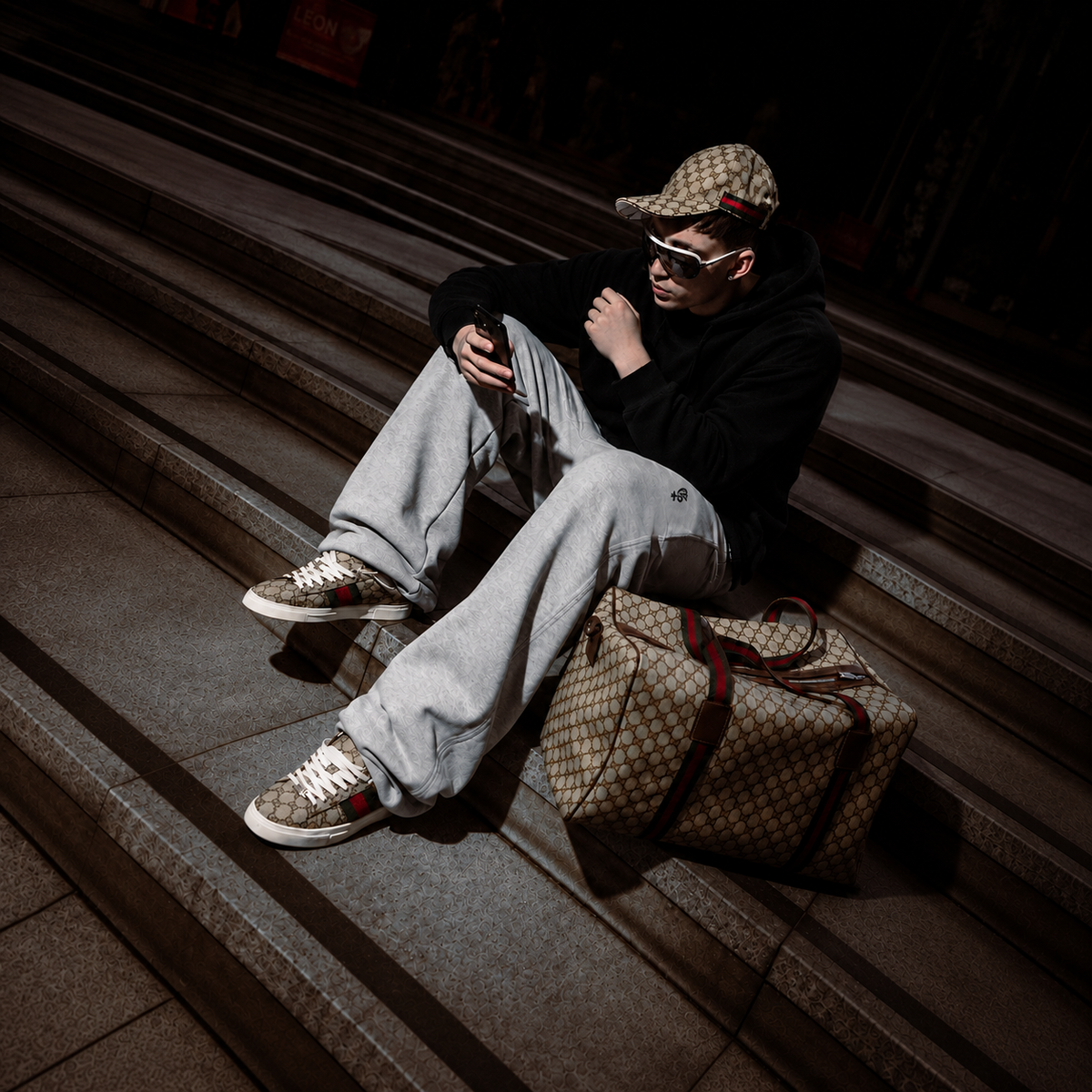
Dark cotton-blend baggy pants (drawstring or elastic waist) + premium plain tee in dark colour + zip-up hoodie or light overshirt + slip-on or easy-lace sneakers + minimal accessories + crossbody for essentials. This formula works for any long-haul flight regardless of destination. The same outfit becomes day-one destination outfit with minor adjustments.
Phase 2: Destination Systems by Country
Bali (Tropical, Beach-Heavy, Casual)
Bali's climate runs 28-32°C with high humidity year-round. The vibe is relaxed luxury - even high-end Seminyak restaurants are smart-casual. Outfit priorities: lightweight cotton, vacation-coded prints, sandal-friendly bottoms, daily beach-to-cafe transitions.
Core Bali pieces: 2 printed shirts (one floral, one tropical or abstract), 2 sleeveless tees (white and black), 1 oversized cream tee, 2 baggy lightweight cotton or linen pants, 1 cargo shorts, 1 swim shorts that double as casual shorts. Sandals + lightweight canvas sneakers.
Bali outfit example: White sleeveless tee + cream linen-blend baggy pants + tan leather sandals + tortoiseshell sunglasses for daytime. Floral printed shirt unbuttoned over white tee + same pants + leather sandals for sunset dinners in Uluwatu or Canggu.
Bangkok (Urban Heat, Streetwear-Forward, Diverse Contexts)
Bangkok runs 30-34°C with humidity, but the city's modern districts (Sukhumvit, Sathorn, Thonglor) are AC-cooled. Outfit priorities: handle outdoor heat, look right in AC malls and rooftop bars, work for street food markets and high-end restaurants both.
Core Bangkok pieces: 2 lightweight oversized tees (black and white), 1 sleeveless tee, 1 printed shirt for evenings, 2 baggy pants (one black cotton, one cotton-blend for AC contexts), 1 cargo shorts, lightweight hoodie for malls and movie theatres. Chunky sneakers + sandals.
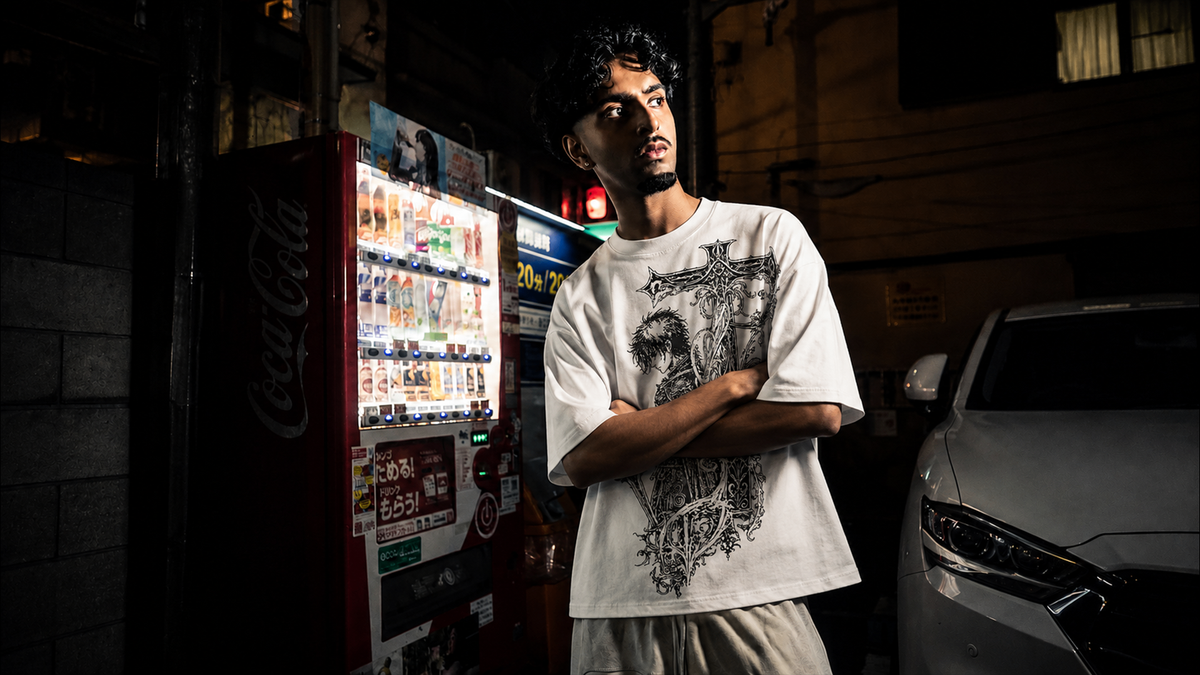
Bangkok outfit example: Black oversized tee + black baggy pants + chunky sneakers + crossbody for daytime in Chatuchak or Sukhumvit. Printed shirt + black baggy pants + leather sandals for Thonglor rooftop bars. Sleeveless tee + cargo shorts for daytime temple visits and Lumpini Park.
Dubai (Luxury Context, Extreme Climate, Indoor-Outdoor Shifts)
Dubai presents the most challenging climate-aesthetic balance. Outdoor temperatures hit 40°C+ in summer, but every indoor venue is intensely AC. Most social venues lean smart-casual or smart-formal. Streetwear works in specific contexts (mall walks, casual dining) but fails at hotel pools, high-end restaurants, and clubs.
Core Dubai pieces: 1-2 printed shirts (premium quality, cotton or cotton-linen), 1 oversized premium tee, 1 smart-casual collared shirt, 1 baggy pants in dark cotton, 1 smart trousers, light leather loafers + chunky sneakers + sandals for hotel pool. Lightweight layering piece (linen blazer or unstructured shirt-jacket) for AC restaurants.
Dubai outfit example: Premium printed shirt + dark baggy pants + leather loafers for Dubai Mall and JBR Walk. Smart collared shirt + black baggy pants + leather shoes for Burj Khalifa visits, high-end restaurants. Sleeveless tee + cargo shorts + sandals for beach clubs and pool days.
Tokyo (Refined Streetwear Capital, Layered Aesthetic, Seasonal)
Tokyo is the world's streetwear capital, which means standards are higher than anywhere else. Tokyo natives notice your outfit. Climate varies dramatically by season - 30°C+ humid summers, 5-10°C winters with snow possible. Outfit priorities: elevated streetwear with intentional layering, season-appropriate, fits that respect Japanese sizing aesthetics.
Core Tokyo pieces (spring/fall): 2 premium oversized tees (black and cream), 1 layered button-down or technical overshirt, 1 lightweight hoodie, 1 structured outerwear piece (bomber jacket or wool overshirt), 2 baggy pants (one cotton twill, one technical fabric), chunky sneakers (Adidas Samba, New Balance 990, or refined options). Leather minimalist sneaker option for evening contexts.
Tokyo outfit example: Black premium tee + open structured overshirt + black baggy pants + chunky sneakers for Shibuya and Harajuku exploration. Cream oversized tee + black baggy pants + bomber jacket + minimalist sneakers for Omotesando shopping and refined dinners. Layered base tee + hoodie + technical jacket + baggy pants for cooler Shimokitazawa or Daikanyama days.
The Unified Travel Wardrobe (8-10 Pieces for 7-10 Day Trip)
The strongest approach is one wardrobe that works for both airport phases and destination phases. For any of the four destinations above, the unified packing list:
• 2 baggy pants - 1 dark cotton-blend (airport + cool evenings), 1 lightweight cotton or linen (daytime destination)
• 3 tops - 1 premium dark tee (airport + dinners), 1 cream/white oversized tee (daytime), 1 destination-specific (printed shirt or sleeveless depending on climate)
• 1 layering piece - zip-up hoodie or light overshirt (airport + cool evening + AC indoor contexts)
• 1 outer piece (climate-dependent) - bomber jacket for Tokyo, technical jacket for any city in winter, skip for Bali/Bangkok summer
• 1-2 destination-specific pieces - printed shirt for Bali/Bangkok, smart-casual shirt for Dubai, structured piece for Tokyo
• 2 pairs of footwear - chunky sneakers (daily) + leather sandals or minimalist leather sneakers (smart contexts)
• Accessories: 1 crossbody bag, sunglasses, watch, minimal jewellery, 1 cap if you wear caps regularly
This 8-10 piece wardrobe creates 25-40 outfits across both phases and survives 7-10 day international trips.
The Five International Travel Outfit Mistakes Indian Men Make
• Wearing brand-new shoes on the flight - blisters by day 2 of the trip
• Pure cotton airport outfits that wrinkle beyond recovery during long-haul flights
• Packing for fictional photo moments - 12 outfits for a 5-day trip, 4 actually worn
• Overpacking traditional Indian formal wear for international destinations that do not require it
• Wrong climate prep - light cotton in Tokyo winter, heavy denim in Bali summer
• Carrying the wrong footwear ratio - 4 pairs for a week, 2 actually worn (most trips need just 2 versatile pairs)
How GENRAGE Pieces Work for International Travel
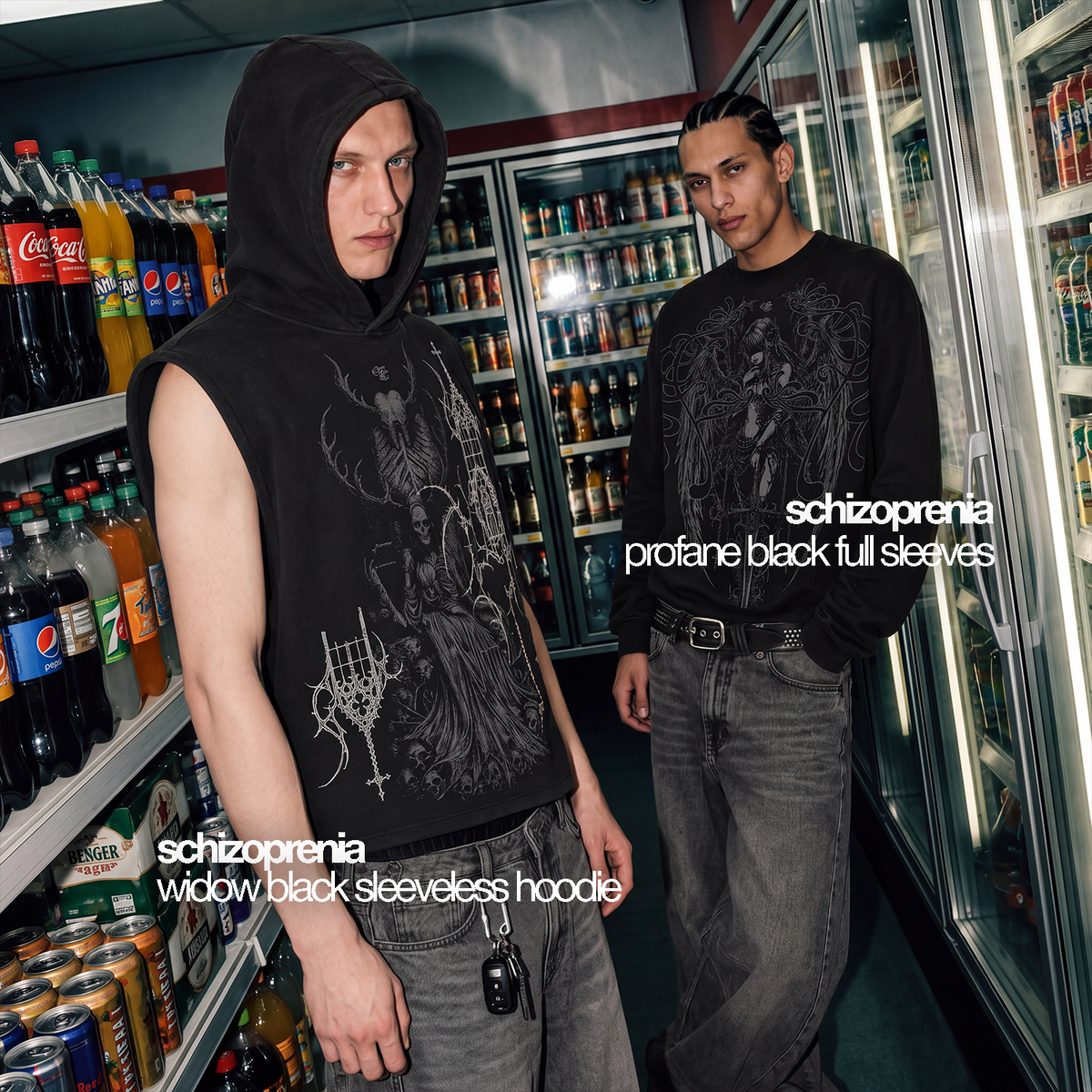
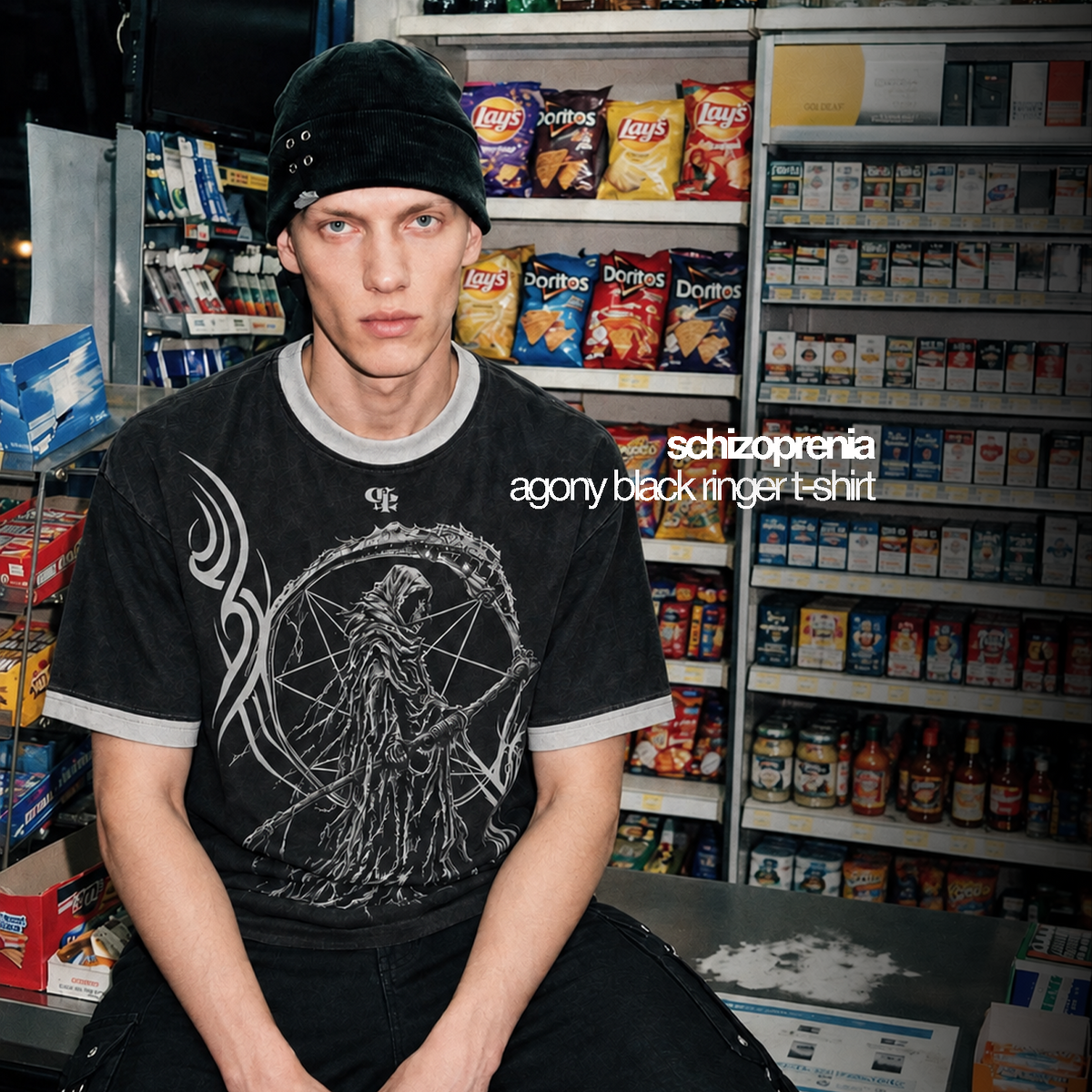
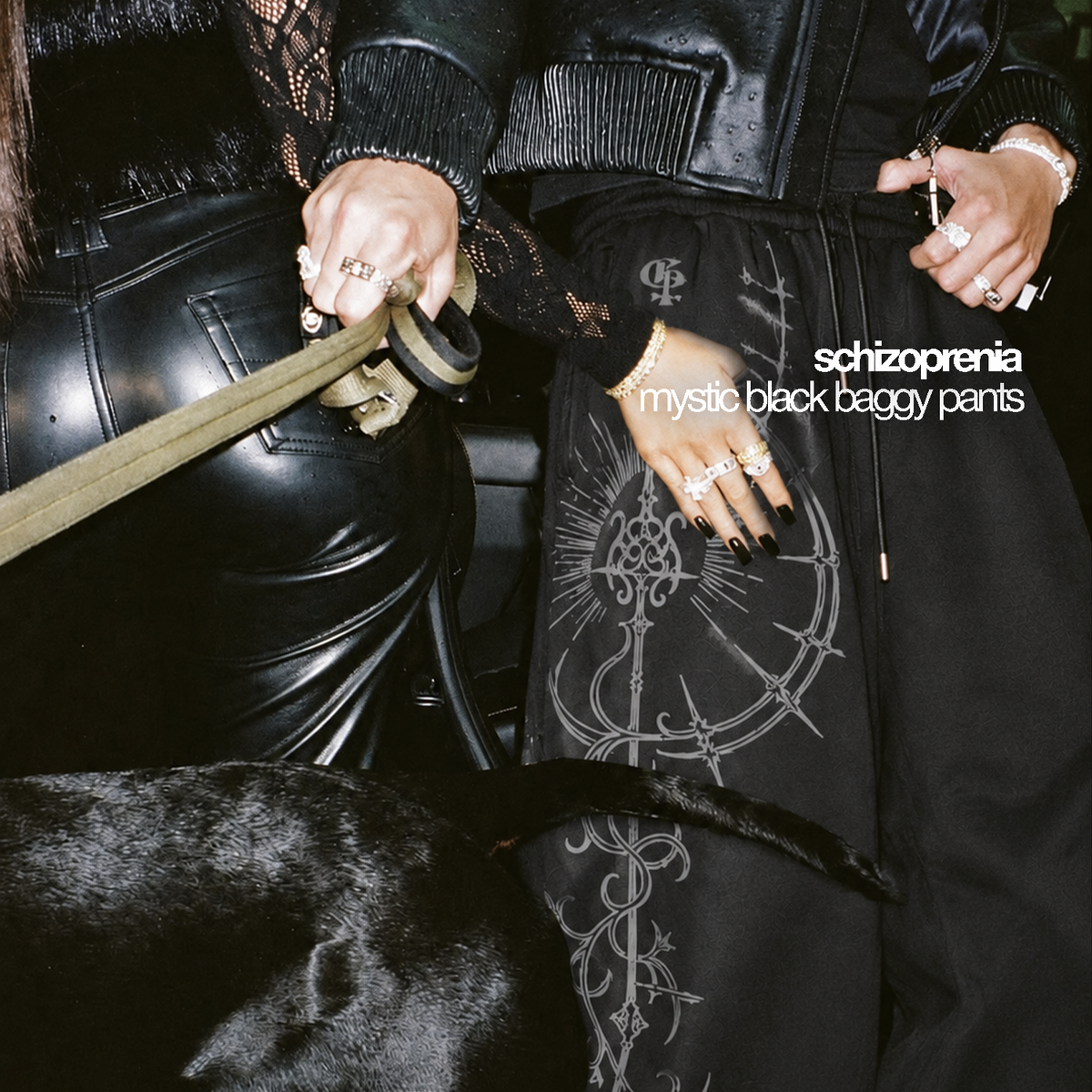
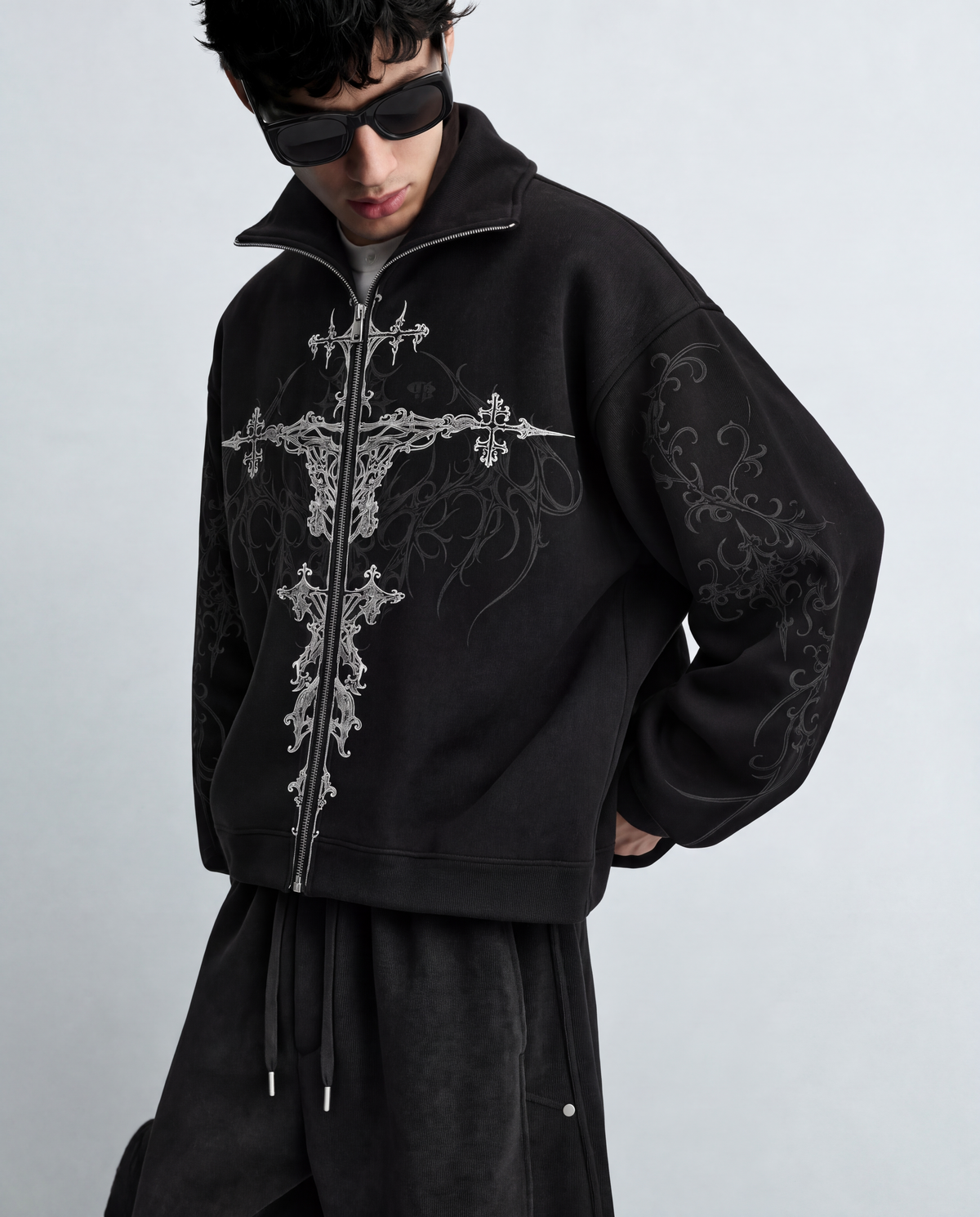
GENRAGE's core inventory aligns with international travel demands. The baggy pants in cotton twill or cotton-blend handle long-haul flights with drawstring waists, then transition to destination wear without changing pieces. The premium oversized tees and sleeveless tees handle hot destinations (Bali, Bangkok, Dubai summer) and layer cleanly under structure for cooler destinations (Tokyo, Dubai winter). The hoodies provide essential cabin-AC layering and double as cool-evening pieces at destinations. The dark-dominant palette works across all four destination aesthetics - from Bali tropical to Tokyo refined to Dubai luxury to Bangkok urban.
Frequently Asked Questions
What should I wear on a long international flight?
Dark cotton-blend baggy pants with drawstring or elastic waist + premium plain tee + zip-up hoodie or light overshirt + slip-on or easy-lace sneakers. The formula prioritizes comfort during 10+ hour sitting, security-checkpoint speed, and dignified arrival photos. Avoid pure cotton (wrinkles badly), tight pants (restrict during pressure changes), and complicated lace-up boots (slow security).
What should I wear in Bali for men?
Lightweight cotton or cotton-linen blend pieces dominate Bali wardrobes. Core pieces: 2 printed shirts (floral and tropical), 2 sleeveless tees, 1-2 baggy lightweight pants, 1 cargo shorts, sandals + canvas sneakers. The aesthetic is relaxed luxury - smart-casual is the highest formality most Bali venues require. Avoid pure synthetic fabrics in Bali humidity - they overheat fast.
What should I wear in Tokyo as a tourist?
Tokyo is the world's streetwear capital - locals notice your outfit. Elevated streetwear with intentional layering works best. Premium oversized tees, baggy pants, chunky sneakers, layered outerwear. Avoid generic tourist outfits (athletic shorts, plain branded tees, white sneakers in mud). The Tokyo aesthetic rewards considered streetwear over casual travel wear. Adapt for season - winter requires heavy layering, summer requires breathable lightweight pieces.
How many outfits should I pack for a 10-day international trip?
8-10 core pieces creating 25-40 outfits through combination. Most men overpack 2-3x more than needed. The unified travel wardrobe: 2 pants, 3-4 tops, 1 layering piece, 1 outer piece (climate-dependent), 2 pairs of shoes, minimal accessories. The 8-10 piece system works for 7-10 day trips with hotel laundry between days 5-6.
Can I wear baggy pants on an international flight?
Yes - they are significantly more comfortable than jeans for long-haul flights. Cotton-blend baggy pants with drawstring or elastic waists accommodate body swelling during pressure changes and reduce wrinkle formation compared to pure cotton. Dark colours hide flight wear. The same baggy pants become day-one destination outfit, eliminating outfit-change pressure on arrival.
What should I avoid wearing in Dubai as a tourist?
Avoid: revealing clothing in public spaces (shorts to the malls are fine, but shirtless or extremely casual is inappropriate at most non-beach contexts), athletic shorts to high-end restaurants, white sneakers in summer heat (collect sand and dust fast), pure synthetic fabrics in 40°C+ temperatures (overheat dramatically). Dubai favours smart-casual over casual-casual - elevate your daily streetwear slightly compared to other tropical destinations.
One wardrobe. Two phases. Eight pieces. Twenty-five outfits. International travel solved.
%20and%20the%20destination%20system%20(climate-appropriate,%20photo-read...)
Leave a comment
This site is protected by hCaptcha and the hCaptcha Privacy Policy and Terms of Service apply.